

Yes, there is snow in Peru. Although the country is known for its Pacific coast, ancient ruins, and Amazon rainforest, its high Andean mountains are home to snowcapped peaks and tropical glaciers. Snowfall is possible at high elevations, particularly during colder storms, while permanent ice remains on some mountain summits.
But does it snow in Cusco or at Machu Picchu? Usually not in the places most travelers visit. To see Peru's snowy mountain landscapes, you generally need to head higher into the Andes. This guide explains where to see snow in Peru, when to visit, and what to consider before planning a high-altitude excursion.
Where Does It Snow in Peru?
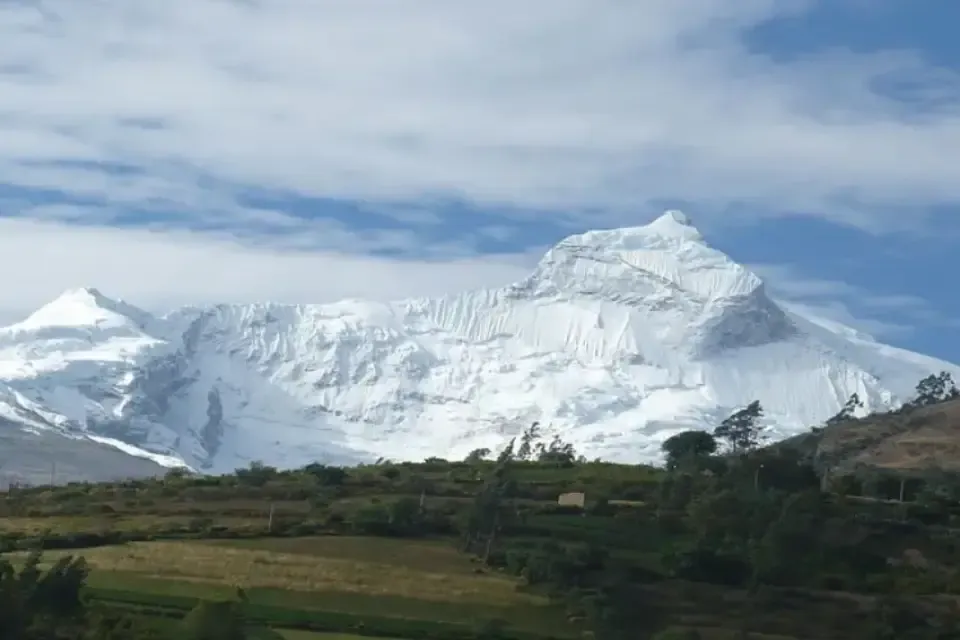
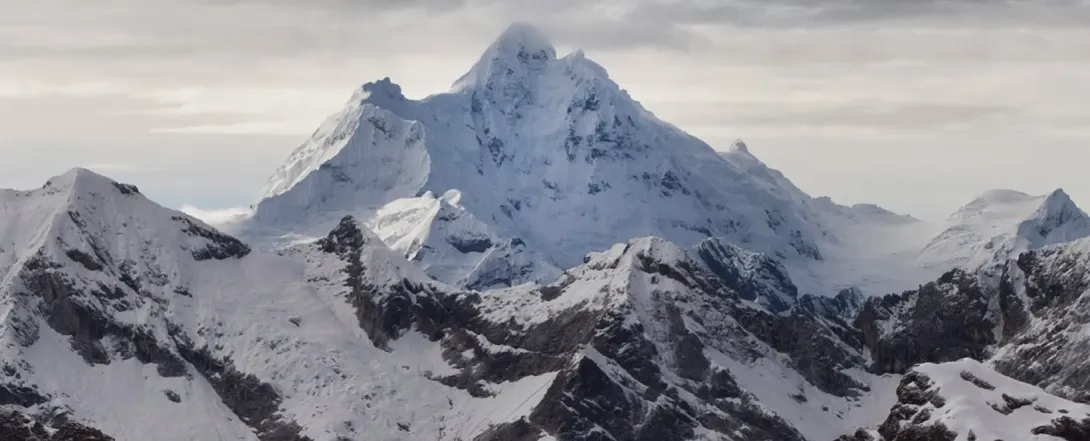
Snow is most commonly associated with Peru's highest mountain areas, including the Cordillera Blanca near Huaraz and the ranges around Cusco. There is no single altitude at which snow always begins: temperature, precipitation, season, and local weather determine whether snow falls and how long it remains on the ground.
Cordillera Blanca: Snowcapped Mountains Near Huaraz
The name Cordillera Blanca means “White Range,” a fitting description for this spectacular mountain range in the Áncash region. Its peaks include Huascarán, Peru's highest mountain at approximately 6,768 meters (22,205 feet), and Alpamayo, known for its distinctive shape.
Huaraz is the main gateway to mountain landscapes, glacial lakes, and trekking routes. You can enjoy views of snowy summits on excursions near Laguna 69 and the Llanganuco Lakes, although fresh snowfall and clear views cannot be guaranteed. For more ideas, explore our guide to the best things to do in Huaraz.
Cordillera Vilcanota: Snow Near Cusco and Ausangate
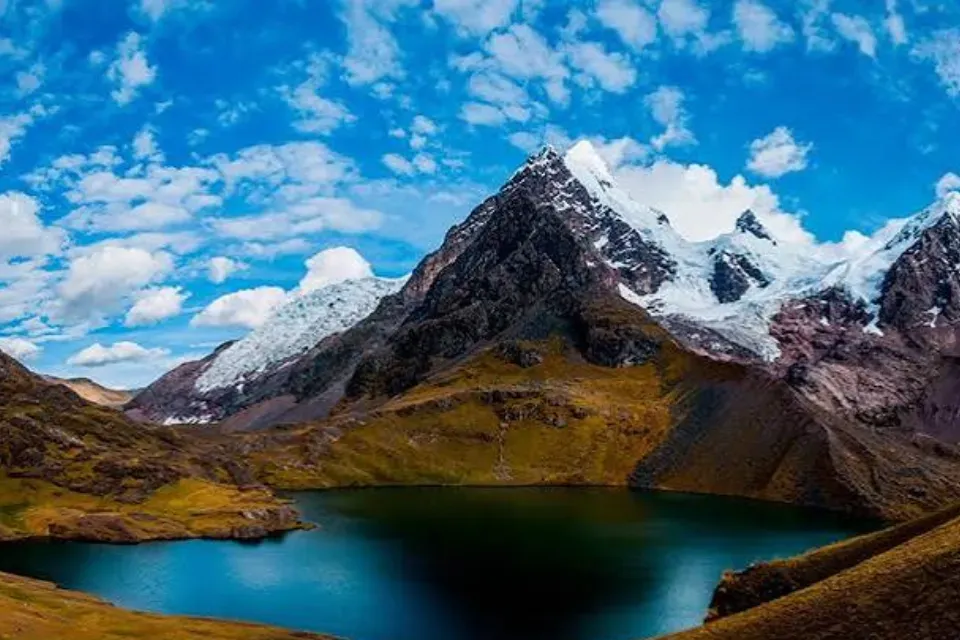
In the Cusco region, the Ausangate massif rises above 6,000 meters (19,685 feet). Its high peaks and glaciers offer a striking contrast to the surrounding valleys and colorful mountain landscapes.
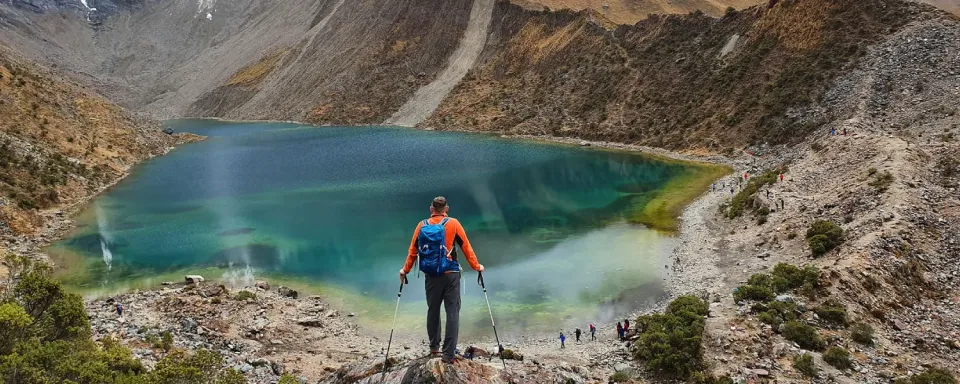
Snow or hail may also occur on high-elevation trails such as Rainbow Mountain, especially when storms pass through. If you want to experience the area without a multiday expedition, learn about our Ausangate 7 Lakes day trip. The outing involves substantial altitude, so acclimatization and weather conditions matter.
Other High-Altitude Areas of the Andes
Peru also has snowy summits in ranges near Salkantay and the Sacred Valley, as well as remote high-altitude areas of Puno. Some towns sit at extreme elevations and can experience occasional snowfall, but that does not mean snow is present every day or throughout the year.
Does It Snow at Machu Picchu?
Snowfall at the Machu Picchu archaeological site is extremely unusual. The citadel lies at approximately 2,430 meters (7,972 feet) above sea level, lower than the city of Cusco, in a greener and generally milder mountain environment. Visitors should plan primarily for changing temperatures, clouds, sunshine, and rainfall rather than snow.
However, nearby mountain ranges can have snowcapped summits. If you are visiting the citadel, our Classic Machu Picchu 5-day tour offers a different experience focused on Cusco, the Sacred Valley, and the archaeological site rather than snow trekking.
When Is the Best Time to See Snow in Peru?
The best timing depends on whether you want to see snowcapped mountains or experience fresh snowfall. These are not the same thing.
Dry Season: May to September
The Andean dry season generally offers more clear days and better mountain visibility, especially in the Cordillera Blanca and around Cusco. Snow and glaciers may be visible on high summits even when the trails below are dry. Nights can be very cold, and mountain weather can still change suddenly.
If photography and distant views of snow-covered peaks are your priorities, this is often a useful period to plan mountain excursions.
Rainier Season: October to April
Rain and cloud cover become more common during these months in much of the Andes. At sufficiently high elevations, some storms can bring fresh snow or hail. That can make mountains look especially dramatic, but trails may also be muddy, slippery, or temporarily inaccessible.
Do not plan a trip around a promise of snowfall on a specific date. For wider seasonal considerations, read our guide to when to travel to Peru.
Does It Snow in Cusco, Lima, or Puno?
Peru's geography creates very different weather conditions across the country. Cold temperatures alone do not mean snow is likely.
| Destination | Typical snow conditions | What travelers should expect |
|---|---|---|
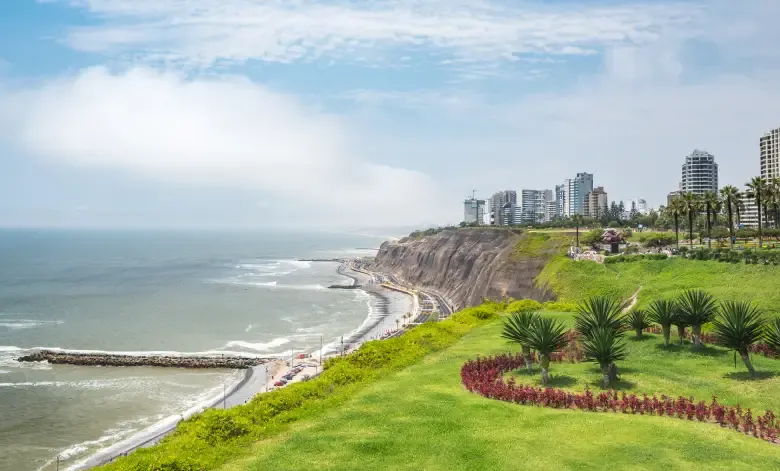
| Lima | Snow is not a normal weather feature. | Cool, cloudy, and misty winter days rather than snowfall. |
| Cusco city | Snowfall in the city is rare. | Sunny days, cold nights, and possible rain or hail depending on the season. |
| Machu Picchu | Snowfall at the citadel is extremely unusual. | Milder mountain conditions with occasional rain and clouds. |
| Puno and the high plateau | Snow can occur during unusual cold or storm events. | Cold nights, strong sun, and variable highland weather. |
| High Andean mountains | Seasonal snow and glaciated peaks in some areas. | Greater cold, weather exposure, and high-altitude risks. |
In the city of Cusco, for example, you can experience freezing temperatures without seeing a snow-covered street. To find reliable snowy scenery, it is generally better to look toward the surrounding high mountains rather than the city center.
Where Can Travelers See Snowcapped Mountains in Peru?
Huascarán National Park and Laguna 69
For travelers visiting Huaraz, the Cordillera Blanca offers some of Peru's most recognizable mountain landscapes. The trail to Laguna 69 passes through valleys beneath imposing snowy summits. The lake sits at approximately 4,600 meters (15,100 feet), making it a demanding high-altitude hike, even when the trail itself has no snow.
Before choosing your excursion, you can compare Laguna 69 vs. Laguna Parón to understand the differences in walking distance, access, altitude, and scenery.
Salkantay Trek Near Cusco
The Salkantay route is known for close-up views of the towering Salkantay mountain and its icy upper slopes. The landscape changes considerably as the trail descends toward warmer valleys. Fresh snow at a particular campsite or pass is never guaranteed, but the mountain scenery can be memorable in many seasons.
If this style of adventure interests you, see our 4-day Salkantay Trek to Machu Picchu for the planned route and included experiences.
Ausangate and the Seven Lakes
Ausangate is another option for travelers drawn to glacial landscapes near Cusco. The region combines high peaks, colorful lakes, and expansive Andean views. Temperatures and trail conditions vary, so a guided itinerary should be planned around weather, altitude, and individual fitness rather than the expectation of walking through snow.
Pastoruri Glacier
Pastoruri, in the Huaraz region, is a well-known high-altitude glacier destination. It is also an important reminder that Peru's glaciers are retreating. Visitors should stay on authorized routes and follow local access rules: a visit does not necessarily mean walking on the glacier itself.
Are There Ski Resorts in Peru?
Peru is better known for mountain trekking and mountaineering than for developed recreational ski resorts. Travelers looking for conventional ski vacations with extensive lift networks are likely to find more options elsewhere in South America. Peru's high mountains can require technical equipment, specialist guides, and experience that go well beyond a typical ski holiday.
How to Prepare for Snow and High Altitude in Peru
Seeing snowy peaks can involve travel to elevations far above the towns where most visitors arrive. Even when you are only admiring the scenery, altitude and mountain weather deserve careful planning.
Allow Time for Acclimatization
Huaraz, Cusco, and many surrounding excursions are at high altitude. There is no fixed number of days that guarantees acclimatization. Begin with lighter activities, avoid rapidly increasing your sleeping altitude when possible, and do not continue ascending if symptoms worsen.
For the Huaraz region, our Huaraz altitude guide explains the elevation of the city and nearby mountain attractions.
Pack for Changing Mountain Weather
- Wear breathable base layers, a warm middle layer, and a waterproof outer jacket.
- Bring suitable hiking footwear, warm gloves, and a hat for exposed trails.
- Use sunscreen, UV-protective sunglasses, and lip balm, particularly around snow and ice.
- Carry water, snacks, and any personal medications you may need.
- Check trail access, conditions, and departure times before setting out.
If you develop a severe headache, confusion, difficulty walking, or shortness of breath at rest, seek urgent medical attention and descend when it is safe to do so. Do not rely on herbal teas or supplemental oxygen as substitutes for appropriate medical evaluation.
Frequently Asked Questions About Snow in Peru
Does it snow in Peru?
Yes. Snow falls in parts of Peru's high Andes, and some mountain ranges have glaciers and snowcapped summits. Snow is not a typical feature of coastal cities such as Lima.
Does it snow in Cusco?
Snowfall in Cusco city is rare, but the surrounding high mountains can have snow and glaciers. Rain, hail, and cold nights are more relevant to most visitors staying in the city.
Does it snow at Machu Picchu?
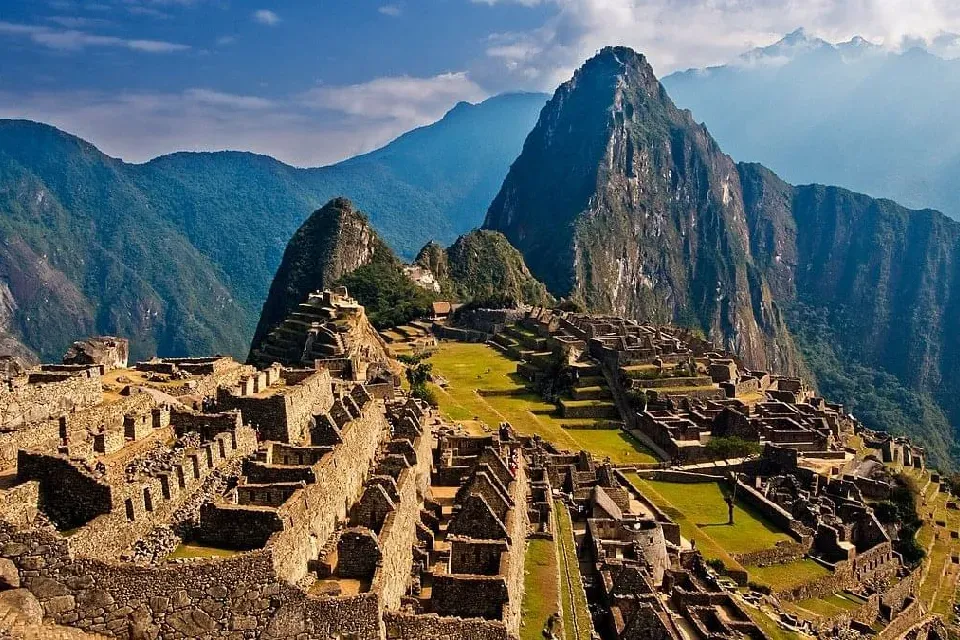
Snowfall at the archaeological site is extremely unusual because it lies at a lower elevation than Cusco. Visitors are much more likely to encounter rain, clouds, or sunshine.
Can you see snow near Rainbow Mountain?
Yes, snow can occur on Rainbow Mountain and nearby high peaks, especially during certain storms. Conditions change quickly, and snow may hide the mountain's colors or affect access.
What month is best for seeing snowcapped mountains in Peru?
May through September often provides clearer views of high Andean peaks. Fresh snowfall is weather-dependent and cannot be guaranteed in any month.
Can you see snow in Peru without a long hike?
In some areas, travelers can see distant snowcapped mountains from roads and viewpoints. Some glacier destinations require only relatively short walks, but they may still be at extremely high elevations and should not be considered easy for everyone.
Is there skiing in Peru?
Peru has a history of skiing and mountaineering in high Andean areas, but it is not a major destination for conventional lift-served ski vacations.
Is it safe to visit snowcapped mountains in Peru?
It depends on the route, altitude, weather, your health, and preparation. Choose suitable activities, follow local guidance, and seek medical advice before high-altitude travel if you have relevant health concerns.
Experience Peru's Snowcapped Andes
So, is there snow in Peru? Absolutely. From the striking summits of the Cordillera Blanca to the mountain landscapes around Ausangate and Salkantay, snow and ice are part of the country's remarkable geographic diversity.
Whether you prefer a challenging trek or a scenic journey through Cusco and the Sacred Valley, choose an experience that matches your interests and preparation. Explore our Peru travel packages, or contact Peru Grand Travel to discuss a route that fits your plans.