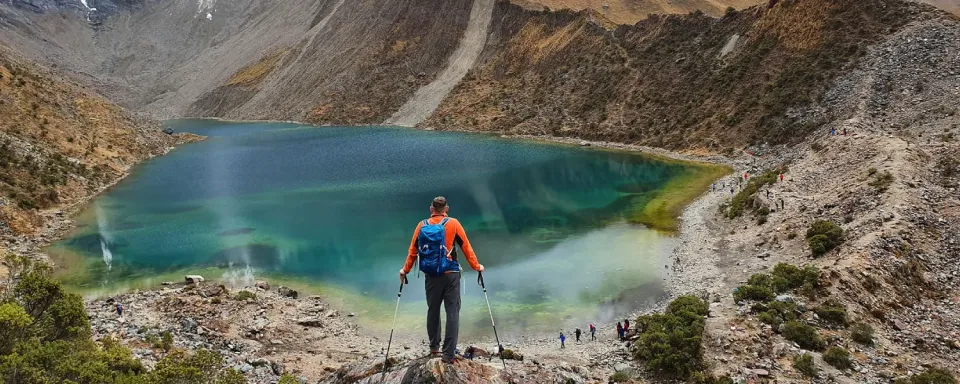


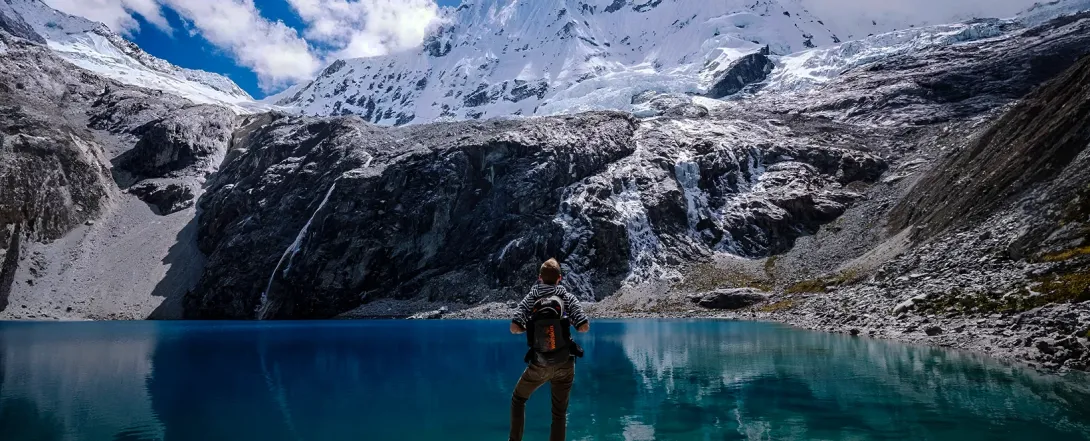
The best things to do in Huaraz in 2027 From Laguna 69 and Laguna Parón to day trips, altitude tips, and the city itself. Plan your trip here!
Huaraz is one of Peru's most visited destinations thanks to its mountainous landscapes, but there is much more to do here than just hiking. Surrounded by the snow-capped peaks of the Cordillera Blanca, this Andean city is the starting point for exploring turquoise glacial lakes, ancient archaeological sites, and picturesque mountain valleys.
Some travelers come to Huaraz specifically to hike Laguna 69. Others want to see Laguna Parón, explore Huascarán National Park, or learn about civilizations that existed long before the Incas.
Whether you're planning a challenging trek or a few relaxed days in the mountains, this guide covers 12 of the best things to do in Huaraz, Peru , along with tips on altitude, transportation, and the best time to visit.
Is Huaraz Worth Visiting?
Yes, especially if you enjoy mountain landscapes, outdoor activities, and destinations that combine nature with local culture.
Huaraz sits at approximately 10,000 feet (3,050 meters) above sea level in the Callejón de Huaylas valley, between the Cordillera Blanca and Cordillera Negra mountain ranges.
The city serves as a gateway to Huascarán National Park, home to Peru's highest mountain, Huascarán, and some of the country's most impressive glacial lakes.
While Cusco is famous for its Inca history and access to Machu Picchu, Huaraz offers a different kind of experience, with dramatic mountain scenery, alpine lakes, and some of Peru's best-known hiking routes.
You don't have to be an experienced hiker to appreciate the region. Several attractions can be reached by vehicle, and the city itself offers markets, museums, and opportunities to learn about local life in the Andes.
The main thing to consider is altitude. Many popular destinations around Huaraz sit considerably higher than the city, so choosing activities that match your fitness level and allowing time to acclimatize are essential parts of planning your visit.
12 Best Things to Do in Huaraz
1. Hike to Laguna 69
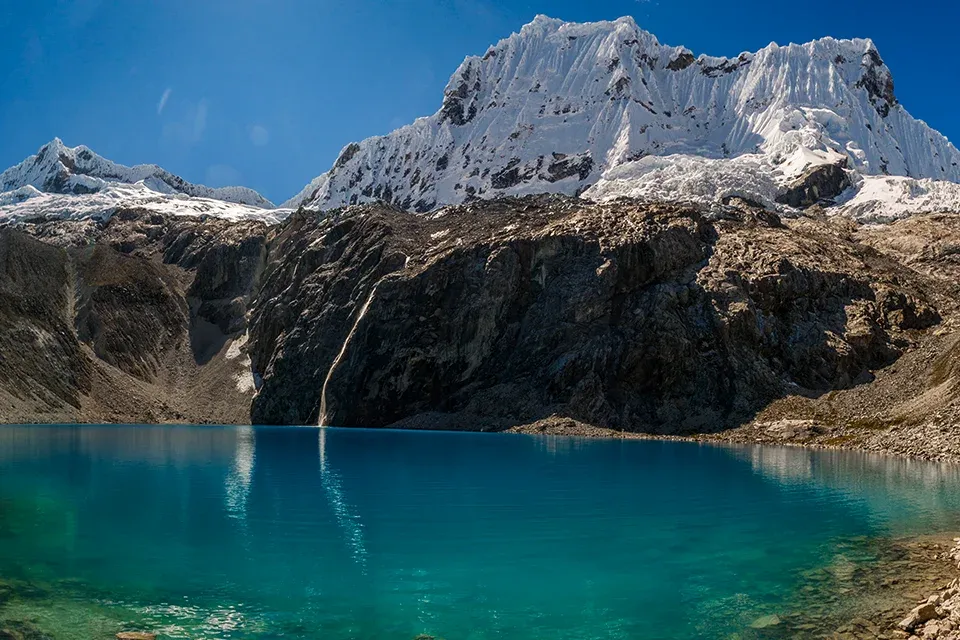
Laguna 69 is one of the most famous hiking destinations in the Cordillera Blanca, known for its striking turquoise water and the snowcapped peaks surrounding it.
Located inside Huascarán National Park at approximately 15,100 feet (4,600 meters) above sea level, the lake sits beneath towering mountains, including Chacraraju.
The trail begins near Cebollapampa and follows a scenic valley with streams, waterfalls, grassy slopes, and mountain views.
The round-trip hike is approximately 8 to 9 miles (13–14 kilometers), depending on the starting point. Most travelers need around five to seven hours of hiking, although the duration varies with conditions and individual pace.
The final ascent can be particularly challenging because of the altitude.
What to know before visiting:
- Difficulty: Challenging, mainly because of the elevation and uphill sections.
- Time required: Full-day excursion from Huaraz.
- Best for: Fit travelers who have already acclimatized.
- Main highlight: The turquoise lake surrounded by snowcapped mountains.
Laguna 69 is an excellent choice if you're looking for a rewarding mountain hike, but it's not the best activity for your first day in Huaraz. For a closer comparison, read our Laguna 69 vs. Laguna Parón guide .
2. Visit Laguna Parón
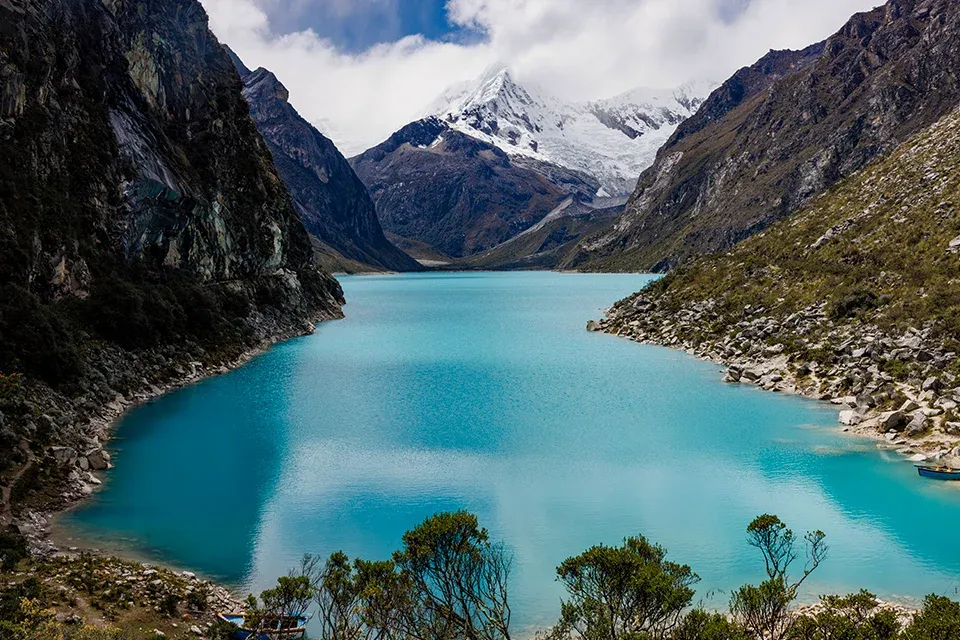
If you want to see a mountainous landscape without having to go on a long hike, Laguna Parón is one of the best places to visit near Huaraz.
Located at approximately 13,730 feet (4,185 meters), Laguna Parón is the largest lake in Huascarán National Park.
Its distinctive turquoise color is due to the fine mineral particles suspended in the glacial water.
The lake is surrounded by impressive mountain peaks, including Artesonraju, creating one of the most recognizable landscapes in the Cordillera Blanca. Unlike Laguna 69, visitors can usually drive to an area near the lake’s shore, provided road conditions and access allow it.
There is also a trail leading to a viewpoint overlooking the lake. Although it is relatively short, this hike involves steep, rocky terrain at high altitude. You can choose to enjoy the scenery from the shore or hike to the viewpoint if you’re feeling up to it and conditions permit.
What to know before visiting:
- Difficulty: Easy sightseeing near the shore; more demanding for the viewpoint.
- Time required: Full-day excursion from Huaraz.
- Best for: Photography, mountain views, and travelers seeking less hiking.
- Main highlight: Panoramic views of the lake and surrounding peaks.
Laguna Parón is a particularly good option for travelers who want to experience the beauty of the Cordillera Blanca without undertaking a strenuous trek.
3. Explore the Llanganuco Lakes
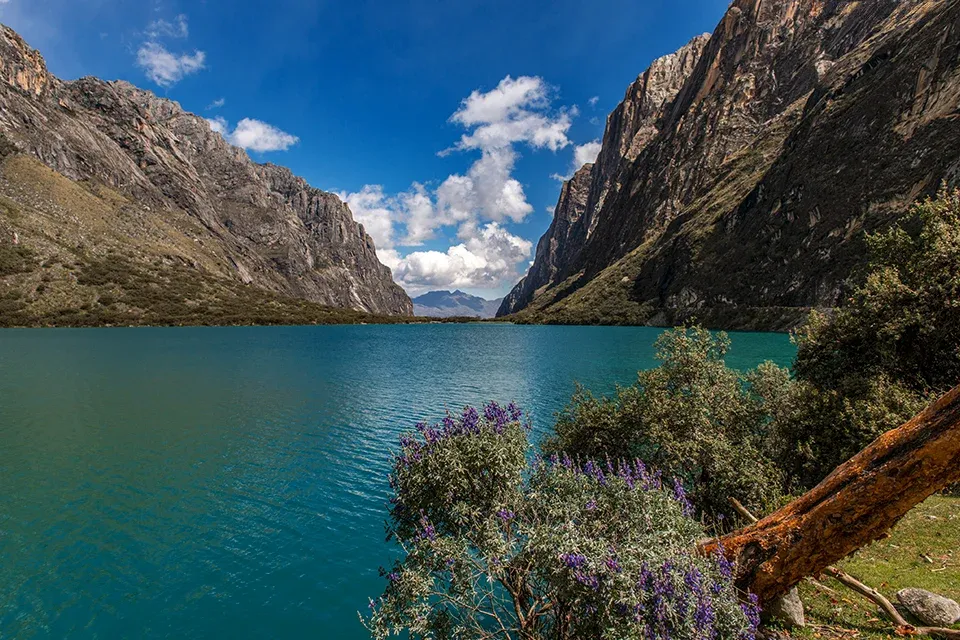
The Llanganuco Lakes are another highlight of Huascarán National Park.
Located in a glacial valley near Yungay, the two main lakes, Chinancocha and Orconcocha, are surrounded by towering mountain walls and native Andean vegetation.
Chinancocha is especially known for its turquoise water, while Orconcocha offers a quieter setting farther into the valley.
The route is scenic, with views of the mountains and forests of quenual , a native high-altitude tree.
Depending on the visitor services operating at the time, activities may include short walks, photography, birdwatching, or boat rides.
The Llanganuco Lakes are an appealing alternative for people who prefer a slower-paced day surrounded by nature.
What to know before visiting:
- Difficulty: Generally easy sightseeing, depending on the activities chosen.
- Time required: Full-day excursion.
- Best for: Families, photography, and scenic mountain views.
- Main highlight: Turquoise lakes set between the peaks of Huascarán and Huandoy.
The Llanganuco area is also part of the route used by travelers heading toward the Laguna 69 trailhead.
4. See Pastoruri Glacier
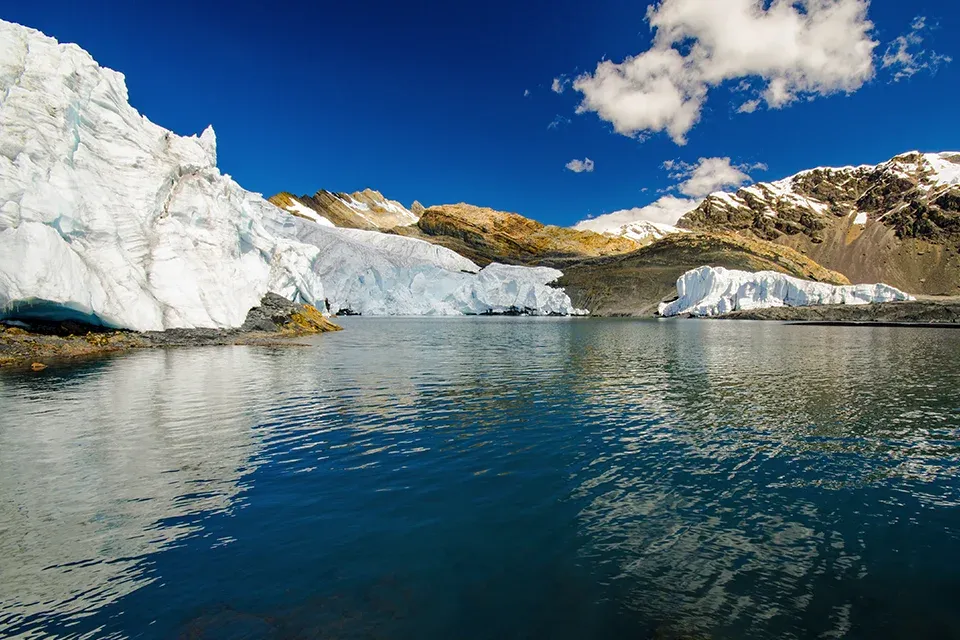
Pastoruri is one of the most accessible high-altitude glacier destinations in the Huaraz region.
Located within Huascarán National Park, the glacier can be visited as part of the area's climate change tourism route.
The excursion passes through high Andean landscapes, where visitors may see unusual plants such as Puya raimondii , known for its exceptionally tall flowering structure.
The glacier itself lies at an elevation of approximately 16,400 feet (5,000 meters).
Although the walk from the visitor access area is relatively short compared with Laguna 69, the high altitude can make even moderate physical activity demanding.
Pastoruri also provides an opportunity to learn about glacier retreat and the effects of climate change in the tropical Andes.
What to know before visiting:
- Difficulty: Moderate physical effort at very high altitude.
- Time required: Full-day excursion.
- Best for: Mountain scenery, geology, and environmental education.
- Main highlight: Seeing a tropical Andean glacier and learning about its changing environment.
This excursion should be planned only after appropriate acclimatization. A short walking distance does not make the extreme altitude risk-free.
5. Discover Chavín de Huántar
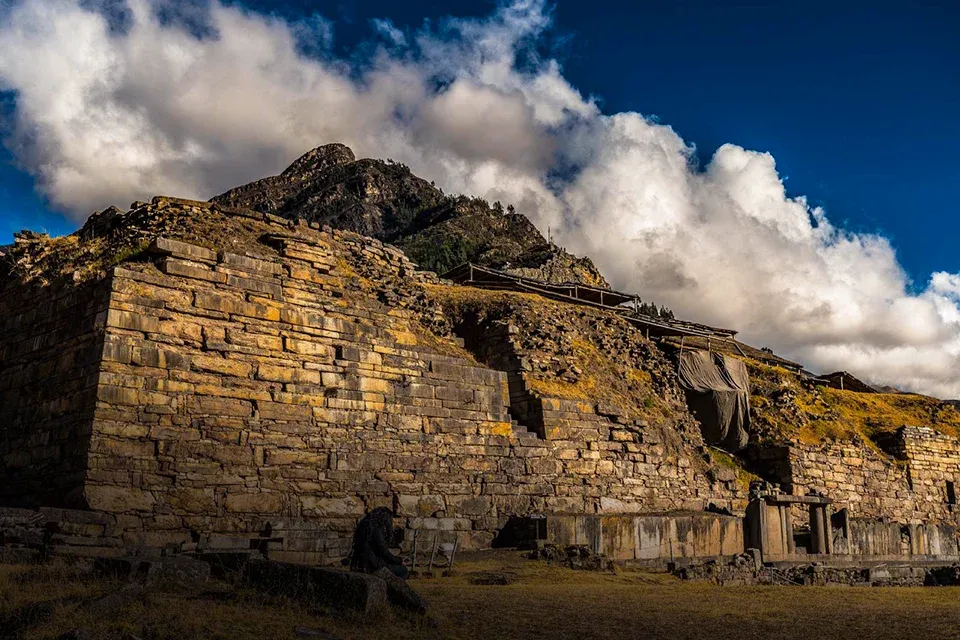
Not all the best things to do in Huaraz involve mountains and lakes.
Chavín de Huántar is one of Peru's most important archaeological sites and an excellent option for travelers interested in ancient civilizations.
Located in the province of Huari, the site was a major ceremonial center long before the rise of the Inca Empire.
The archaeological complex is known for its stone architecture, ceremonial plazas, underground galleries, and symbolic carvings.
One of its most recognizable features is the Lanzón, a carved stone monument associated with the site's religious traditions.
Chavín was recognized as a UNESCO World Heritage Site in 1985 because of its historical and cultural significance.
A visit allows you to explore an important chapter of Peru's history that is sometimes overshadowed by the country's better-known Inca archaeological sites.
What to know before visiting:
- Difficulty: Generally manageable walking, depending on visitor routes.
- Time required: Full-day excursion from Huaraz.
- Best for: History, archaeology, and Andean culture.
- Main highlight: Ancient ceremonial architecture and stone carvings.
Check the site's current access conditions and which galleries are open before visiting.
6. Hike to Laguna Churup
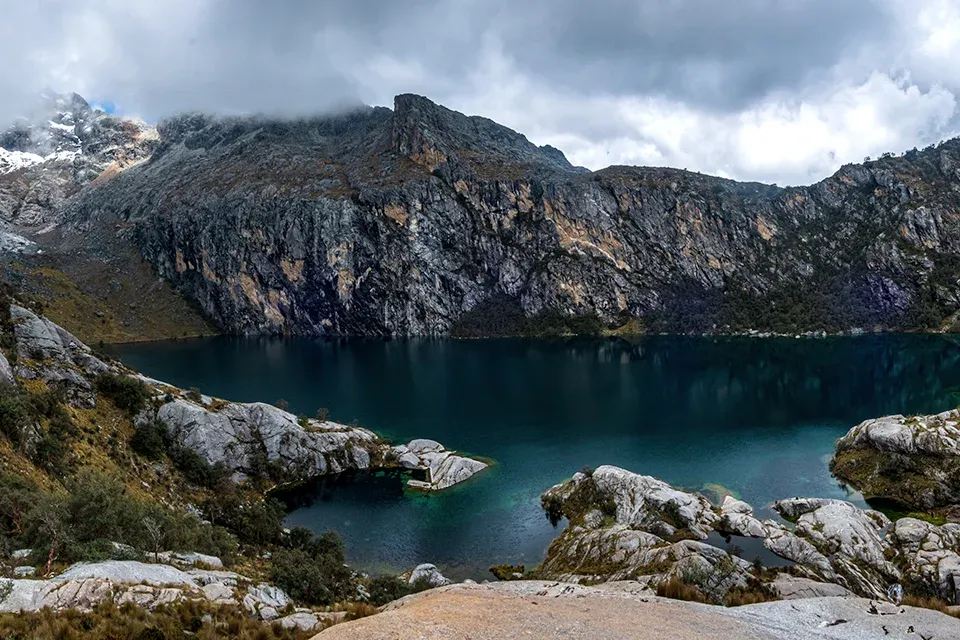
Laguna Churup is another beautiful high-altitude lake near Huaraz, popular with travelers looking for a challenging day hike.
The trail begins in the mountains east of the city and ascends toward a lake surrounded by rocky slopes and dramatic peaks.
Although shorter than the Laguna 69 route, the hike includes steep sections and may require using fixed cables or climbing over rocky terrain, depending on the route and trail conditions.
This makes it more physically demanding than the distance alone might suggest.
The lake sits at approximately 14,600 feet (4,450 meters), so altitude is another important consideration.
What to know before visiting:
- Difficulty: Challenging, with steep or technical sections.
- Time required: Most of a day, including transportation.
- Best for: Experienced hikers seeking a shorter mountain adventure.
- Main highlight: A glacial lake surrounded by dramatic rock formations.
Laguna Churup is not necessarily an easy acclimatization hike. Choose it only if you're comfortable with the trail conditions and have already adjusted sufficiently to the elevation.
7. Explore Huascarán National Park
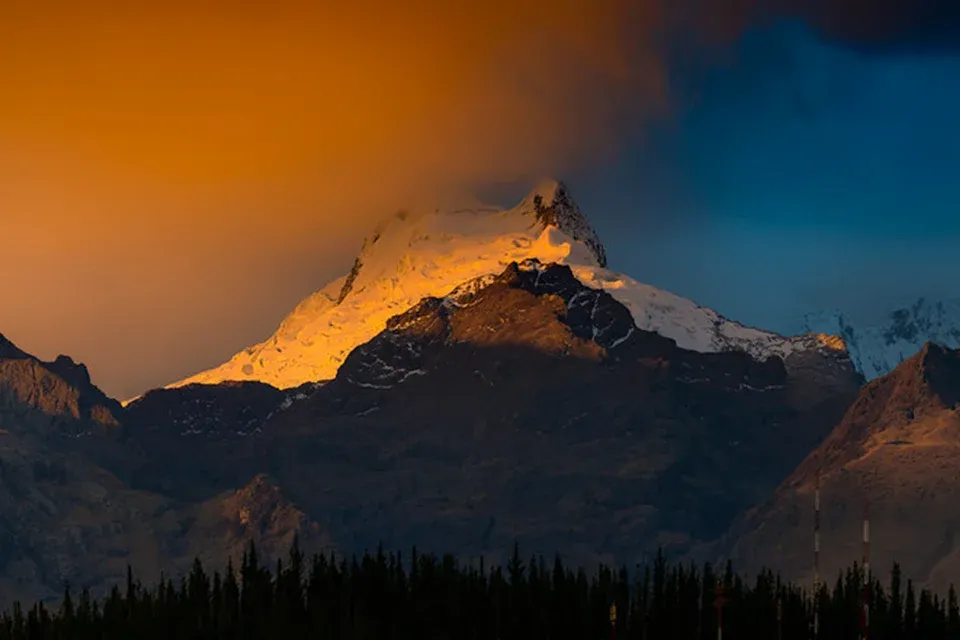
Huascarán National Park protects some of the most impressive landscapes in the Peruvian Andes.
The park covers a large section of the Cordillera Blanca and includes glacial lakes, mountain valleys, glaciers, high-altitude ecosystems, and the country's highest peak.
It is also home to native wildlife, including the Andean condor and other species adapted to mountain environments.
In 1985, UNESCO recognized Huascarán National Park as a Natural World Heritage Site.
Many famous attractions around Huaraz, including Laguna 69, Laguna Parón, and the Llanganuco Lakes, are located within the park.
Beyond visiting individual sites, spending time in the park provides an opportunity to learn about the region's biodiversity, geological history, and conservation challenges.
What to know before visiting:
- Difficulty: Varies considerably by route and activity.
- Time required: Half-day, full-day, or multi-day excursions.
- Best for: Nature, photography, hiking, and wildlife observation.
- Main highlight: The dramatic landscapes of the Cordillera Blanca.
Check current access rules, entrance requirements, weather conditions, and authorized operator information before organizing your visit.
8. Take the Santa Cruz Trek
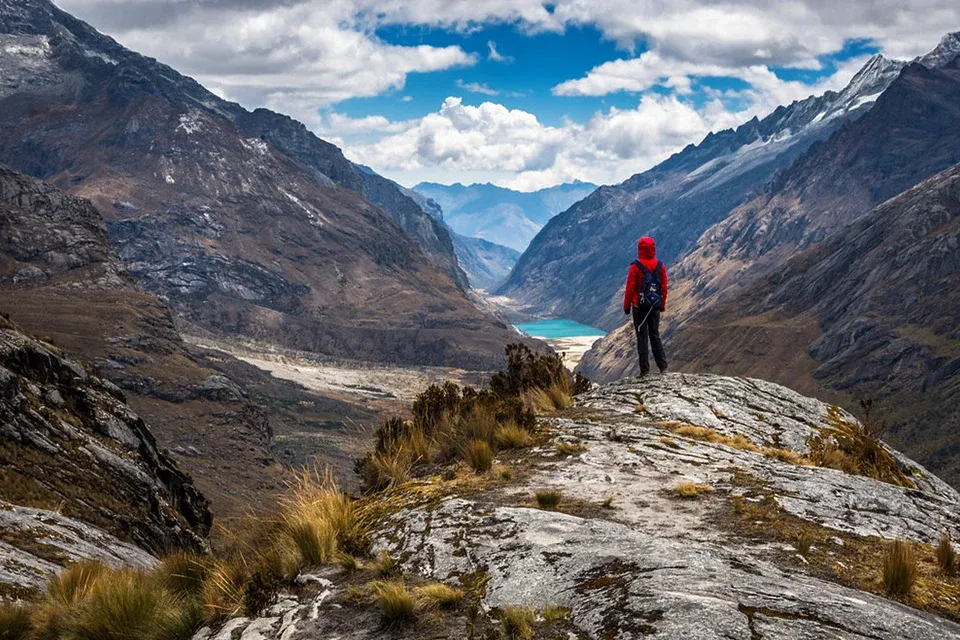
If you have several days available and enjoy long-distance hiking, the Santa Cruz Trek is one of the most rewarding adventures in the Huaraz region.
The route passes through mountain valleys, rivers, turquoise lakes, and landscapes surrounded by some of the Cordillera Blanca's most impressive peaks.
Most itineraries take three to four days, with overnight camping along the trail.
One of the major challenges is crossing Punta Unión Pass, located at approximately 15,600 feet (4,750 meters).
This is a serious high-altitude trek that requires good physical condition, preparation, appropriate camping equipment, and sufficient acclimatization.
What to know before visiting:
- Difficulty: Challenging multi-day trek.
- Time required: Usually 3–4 days.
- Best for: Experienced hikers and travelers seeking an extended outdoor adventure.
- Main highlight: Mountain passes, remote valleys, and high-altitude scenery.
If you're interested in completing this trek, plan additional days in Huaraz rather than trying to fit it into a short visit. Explore our Santa Cruz Trek guide for more route-planning details.
9. Visit the Ancash Regional Museum
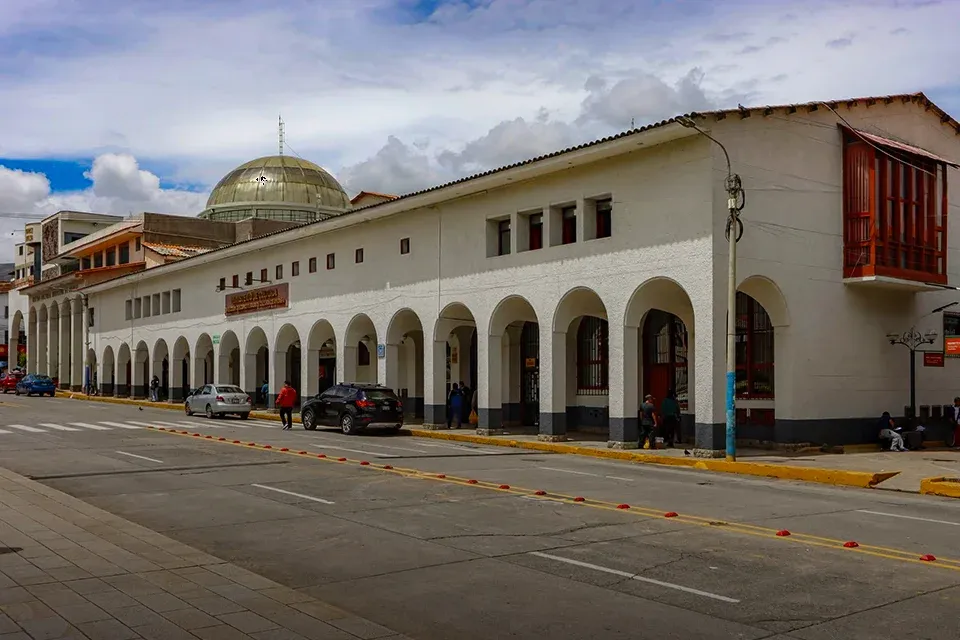
For a cultural activity within Huaraz, consider visiting the Ancash Regional Museum.
The museum introduces visitors to the archaeological history of the Ancash region, with collections associated with ancient societies, including Chavín.
Its exhibits include stone sculptures and other archaeological objects that offer insight into the region's pre-Columbian past.
The museum is a useful introduction if you're planning to visit Chavín de Huántar and want to understand more about its cultural context.
It's also a convenient activity for a day when you prefer not to venture into the mountains.
What to know before visiting:
- Difficulty: Easy.
- Time required: Approximately 1–2 hours, depending on your interests.
- Best for: History, archaeology, and cultural learning.
- Main highlight: Archaeological collections from the Ancash region.
Check the museum's current opening hours before visiting.
10. Discover Wilcahuaín Archaeological Site
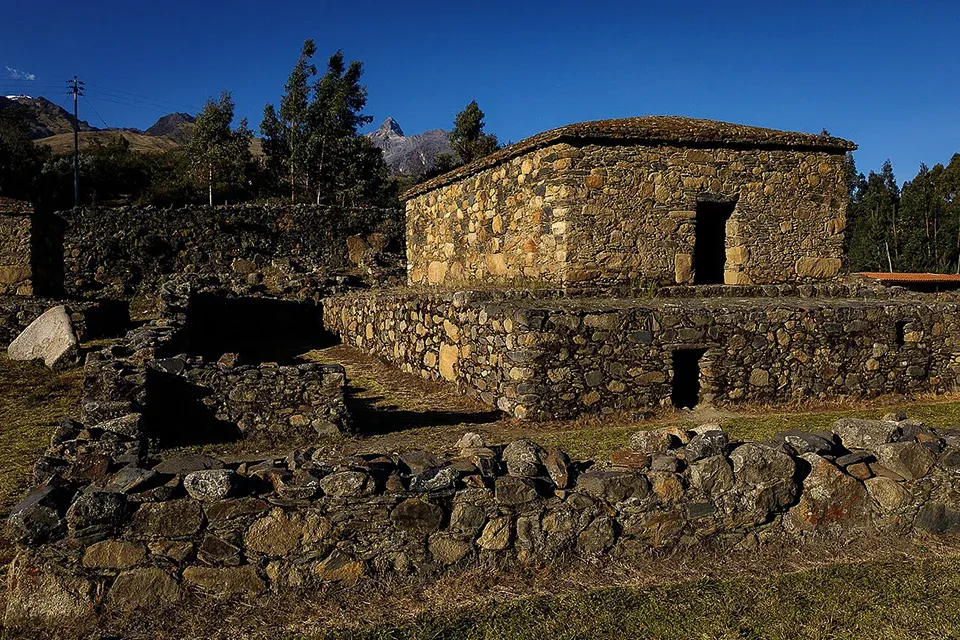
Wilcahuaín is an archaeological site located a short distance from Huaraz.
Associated with the Wari cultural tradition, the site offers an opportunity to explore a different period of ancient Andean history.
Its most recognizable structure is a multi-level stone building that illustrates distinctive construction techniques.
Although smaller and less internationally known than Chavín de Huántar, Wilcahuaín is an interesting option for visitors who enjoy archaeology and prefer quieter historical sites.
It can also be combined with a relaxed day around Huaraz, depending on transportation and opening hours.
What to know before visiting:
- Difficulty: Relatively easy, with some walking.
- Time required: Approximately half a day, including transportation.
- Best for: Archaeology and less-visited cultural attractions.
- Main highlight: Wari-period stone architecture.
11. Relax at Monterrey Hot Springs
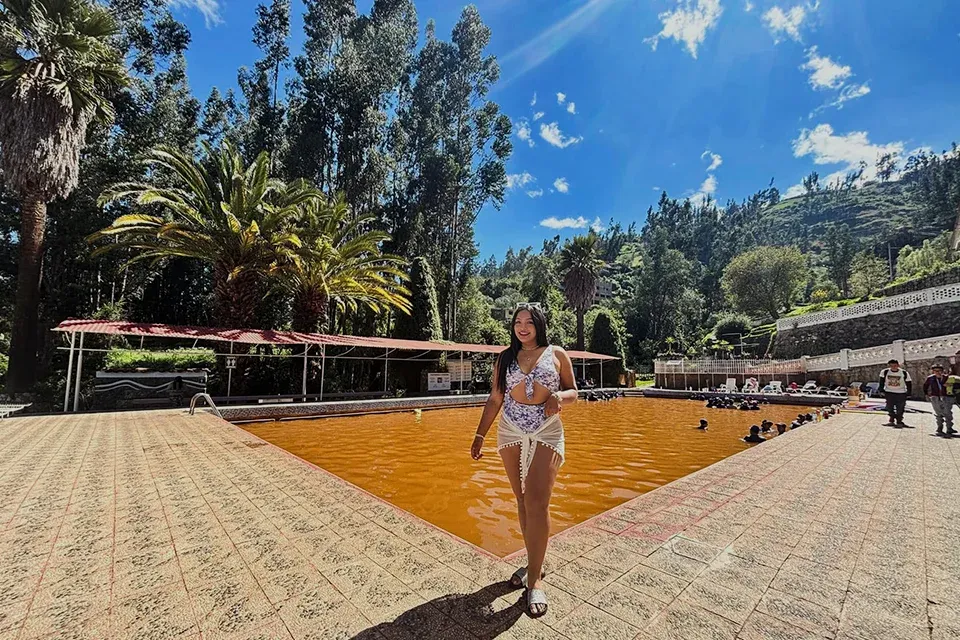
After several days exploring the mountains, Monterrey Hot Springs offers a change of pace.
Located outside central Huaraz, the thermal bathing area is a popular local destination for visitors looking to relax.
The surrounding landscape provides a different atmosphere from the high-altitude trekking routes.
It can be a pleasant addition to a less demanding day, particularly after sightseeing in the city.
Facilities, operating hours, and water conditions can change, so confirm availability before visiting.
What to know before visiting:
- Difficulty: Easy.
- Time required: A few hours.
- Best for: Relaxation and a slower travel day.
- Main highlight: Thermal bathing facilities near Huaraz.
12. Explore Huaraz's Markets and Plaza de Armas
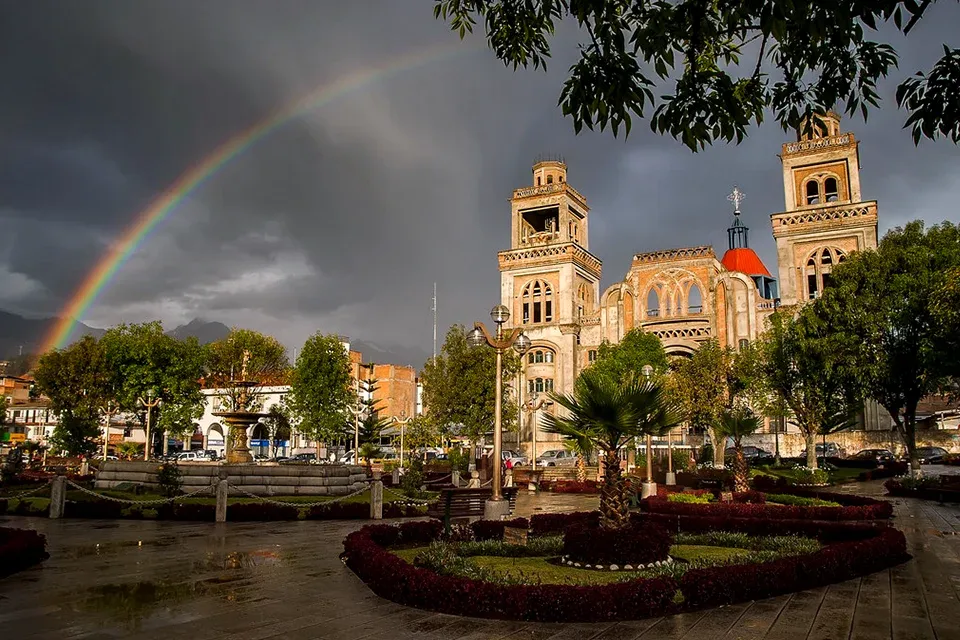
One of the easiest ways to experience Huaraz beyond its mountains is to spend time exploring the city itself.
Start at the Plaza de Armas, where you can observe daily life and enjoy views toward the surrounding mountains when the weather is clear.
Then visit a local market to discover ingredients commonly used in Andean cuisine.
Depending on the market and season, you may find native potatoes, regional produce, fresh bread, cheeses, and traditional prepared foods.
You can also explore nearby streets, small shops, and local restaurants.
If you have enough time, consider visiting the Rataquenua viewpoint for an elevated view of the city and surrounding valley. Keep in mind that reaching viewpoints may involve uphill walking.
What to know before visiting:
- Difficulty: Easy to moderate, depending on how far you walk.
- Time required: Half-day or flexible sightseeing.
- Best for: Local culture, food, and photography.
- Main highlight: Experiencing everyday life in Huaraz.
Exploring the city is a good way to begin your stay before attempting more demanding excursions.
Laguna 69 vs. Laguna Parón: Which Should You Visit?
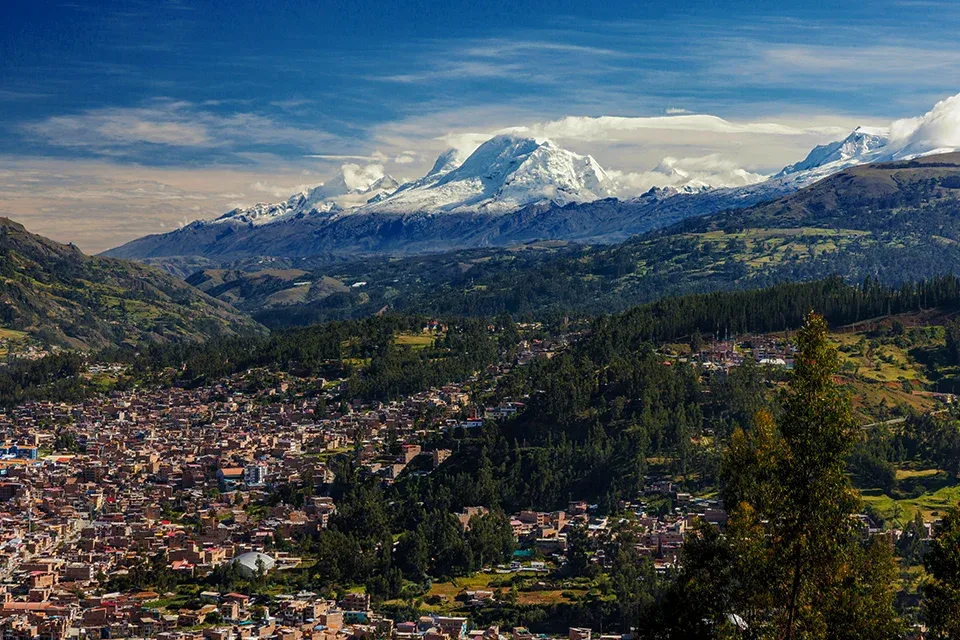
Laguna 69 and Laguna Parón are two of the most popular attractions near Huaraz, but they offer very different experiences.
If you're deciding between them, the main factors are hiking difficulty, altitude, and how much time you want to spend walking.
| Feature | Laguna 69 | Laguna Parón |
|---|---|---|
| Elevation | Approx. 4,600 m (15,100 ft) | Approx. 4,185 m (13,730 ft) |
| Access | Long mountain hike | Vehicle access near the shore, subject to road conditions |
| Physical difficulty | Challenging | Easier sightseeing; optional steep viewpoint walk |
| Time required | Full day | Full day from Huaraz |
| Best for | Hiking enthusiasts | Scenic views and photography |
| Main attraction | Turquoise alpine lake beneath Chacraraju | Large turquoise lake surrounded by snowy peaks |
Choose Laguna 69 if you're an experienced hiker, have acclimatized properly, and want a more physically demanding adventure.
Choose Laguna Parón if your priority is enjoying beautiful mountain scenery with less hiking.
Both destinations are at high altitude, so even Laguna Parón should not automatically be treated as an effortless first-day excursion.
If you have enough time, visiting both on separate days can give you two different perspectives on the Cordillera Blanca.
How Many Days Do You Need in Huaraz?
For most first-time visitors, three to five days in Huaraz provides a useful starting point, depending on the activities you want to include.
A shorter stay works best if you're focusing on a few attractions, while a longer trip gives you more flexibility for acclimatization and weather changes.
3-Day Huaraz Itinerary
A three-day trip is best kept relatively simple.
| Day | Suggested activities |
|---|---|
| Day 1 | Arrive in Huaraz, rest, explore Plaza de Armas and the museum |
| Day 2 | Explore the Llanganuco area or another suitable excursion, depending on acclimatization |
| Day 3 | Visit Laguna Parón or choose another activity that matches your condition |
This itinerary avoids automatically placing a very demanding high-altitude hike on the first full day.
Three days may not provide adequate acclimatization for every traveler, especially if you arrive directly from sea level.
5-Day Huaraz Itinerary
Five days allows more flexibility.
| Day | Suggested activities |
|---|---|
| Day 1 | Arrival, rest, and light city sightseeing |
| Day 2 | Cultural sightseeing or a lower-exertion activity |
| Day 3 | Laguna Parón or Llanganuco Lakes, if appropriately acclimatized |
| Day 4 | Laguna 69, if physically prepared and symptom-free |
| Day 5 | Chavín de Huántar or a relaxed final day |
The order should be adjusted according to how you respond to altitude, current weather, and trail accessibility. If you are planning a longer journey around the country, see our guide to choosing Peru travel packages .
Travelers planning the Santa Cruz Trek should allow several additional days.
How to Get to Huaraz From Lima
Most travelers reach Huaraz from Lima by road.
The journey is approximately 250 miles (400 kilometers), and bus trips generally take around eight to ten hours, depending on the route, operator, and road conditions.
Overnight buses are a common option for visitors who want to maximize their time.
You can also travel by private vehicle, although the journey involves mountain roads and requires sufficient time.
Before departing, check transportation schedules and any road advisories.
Once in Huaraz, many surrounding attractions require additional road transfers, often followed by walking or hiking.
For longer excursions, it is important to consider transportation arrangements, return times, weather, and park access requirements.
Best Time to Visit Huaraz
The best time to visit Huaraz depends on the activities you're planning.
May to September: Drier Conditions for Hiking
May through September generally brings drier weather to the Cordillera Blanca.
These months are popular for hiking because there is usually less rainfall and a better chance of clear mountain views.
However, temperatures can be cold at higher elevations, especially early in the morning and overnight.
Popular hiking routes and accommodations may also attract more visitors during peak travel periods.
October to April: Rainier Weather and Greener Landscapes
From October through April, rainfall generally increases across the region.
Mountain landscapes can appear greener, but trails may become muddy or slippery, and clouds can obscure views of the peaks.
Heavy rainfall may also affect roads and access to some destinations.
If you plan to travel during these months, allow flexibility in your itinerary and check local conditions before setting out.
Regardless of the season, mountain weather can change quickly. Bring layers, sun protection, and rain gear, even during drier months.
Altitude and Acclimatization in Huaraz
Huaraz sits at approximately 10,000 feet (3,050 meters) above sea level, but many nearby attractions reach elevations above 13,000 feet (4,000 meters).
This difference is important.
Travelers arriving from Lima or another low-elevation destination may need time to adjust before attempting demanding hikes.
Symptoms of altitude sickness can include headache, nausea, fatigue, and dizziness. Fitness does not prevent altitude illness, and the time required to acclimatize varies from person to person.
To reduce the risk:
- Avoid strenuous activity immediately after arriving.
- Increase elevation gradually when possible.
- Stay adequately hydrated and avoid excessive alcohol.
- Rest if symptoms develop rather than continuing higher.
- Ask a healthcare professional about altitude prevention before your trip, especially if you plan high-altitude trekking.
Traditional coca or muña tea is commonly consumed in the Andes, but neither should be presented as a proven treatment or substitute for proper acclimatization and medical care.
If symptoms worsen, do not continue ascending. Serious symptoms such as confusion, difficulty walking, or shortness of breath at rest require urgent medical attention and descent when safely possible.
Allowing one or two easy days can help with the initial adjustment, but 48 hours does not guarantee that you'll be ready for Laguna 69, Pastoruri, or other high-altitude excursions . Learn more in our Huaraz altitude and acclimatization guide .
Is Huaraz Safe for Tourists?
Huaraz is a popular base for travelers visiting the Cordillera Blanca, but visitors should follow the same practical safety precautions they would use in other cities.
During the day, central areas such as the Plaza de Armas and commercial streets are commonly visited by residents and travelers.
Avoid walking alone in isolated or poorly lit areas at night, keep valuables secure, and choose reputable transportation services.
For mountain excursions, safety also depends on weather, trail conditions, altitude, equipment, and the experience of your guide or operator.
Check local advisories and avoid attempting unfamiliar high-altitude routes without adequate preparation.
Frequently Asked Questions About Huaraz
What is Huaraz best known for?
Huaraz is best known as a gateway to the Cordillera Blanca, Huascarán National Park, and spectacular glacial lakes such as Laguna 69 and Laguna Parón. It is also a popular destination for mountain trekking and outdoor adventures.
What are the best day trips from Huaraz?
Popular day trips include Laguna Parón, the Llanganuco Lakes, Laguna 69, Pastoruri Glacier, and Chavín de Huántar. Each offers a different experience, and some require substantial physical effort at high altitude.
Can you visit Huaraz without hiking?
Yes. You can visit scenic lakes, explore archaeological sites, enjoy local markets, and discover the city without completing long mountain hikes. However, many nearby attractions are still at high altitude.
Is Laguna 69 a difficult hike?
Yes. Laguna 69 is considered challenging because of its uphill terrain, hiking distance, and elevation of approximately 4,600 meters (15,100 feet). It's best suited to travelers with good fitness and sufficient acclimatization.
How many days should you acclimatize in Huaraz?
There is no fixed number that guarantees acclimatization. It's sensible to begin with lighter activities and increase elevation gradually, allowing additional time if needed. Travelers planning strenuous high-altitude hikes should seek appropriate medical and local guidance.
Is Laguna Parón easier than Laguna 69?
Generally, yes. Laguna Parón is accessible by road near the shore, while Laguna 69 requires a long hike. However, Laguna Parón is still above 4,000 meters (13,000 feet), and its optional viewpoint involves a steep walk.
When is the best time to hike in Huaraz?
May through September generally offers drier conditions for hiking. Even during these months, weather can change rapidly in the mountains, so check forecasts and trail information before each excursion.
Can you combine Huaraz and Machu Picchu in one Peru trip?
Yes. Travelers with enough time can combine Huaraz with Cusco, the Sacred Valley, and Machu Picchu. These destinations are in different regions, so the itinerary should account for transportation and sufficient days to enjoy each location. You can explore our Peru travel packages for ideas on combining destinations.
Final Tips for Visiting Huaraz
Huaraz offers a side of Peru that feels very different from the country's better-known archaeological destinations.
The turquoise lakes, glaciated peaks, mountain trails, and ancient cultural sites make it an appealing destination for travelers interested in both nature and history.
You don't need to complete every hike to have a memorable visit. Sometimes, a quiet afternoon beside Laguna Parón or a visit to an archaeological site can be just as rewarding as reaching a challenging mountain viewpoint.
The best itinerary is one that matches your interests, physical condition, and available time while leaving room for changing weather and altitude adjustment.
At Peru Grand Travel, we help travelers explore different parts of the country through carefully planned itineraries. If you're considering a longer journey, browse our Peru travel packages or contact our team to discuss your travel plans.