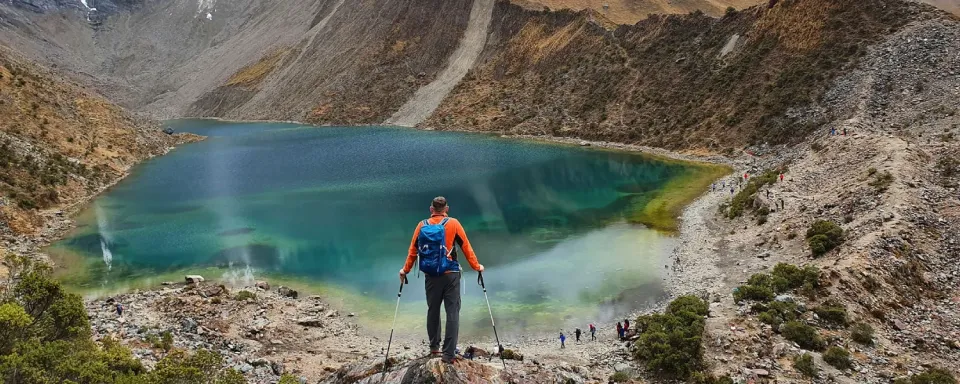


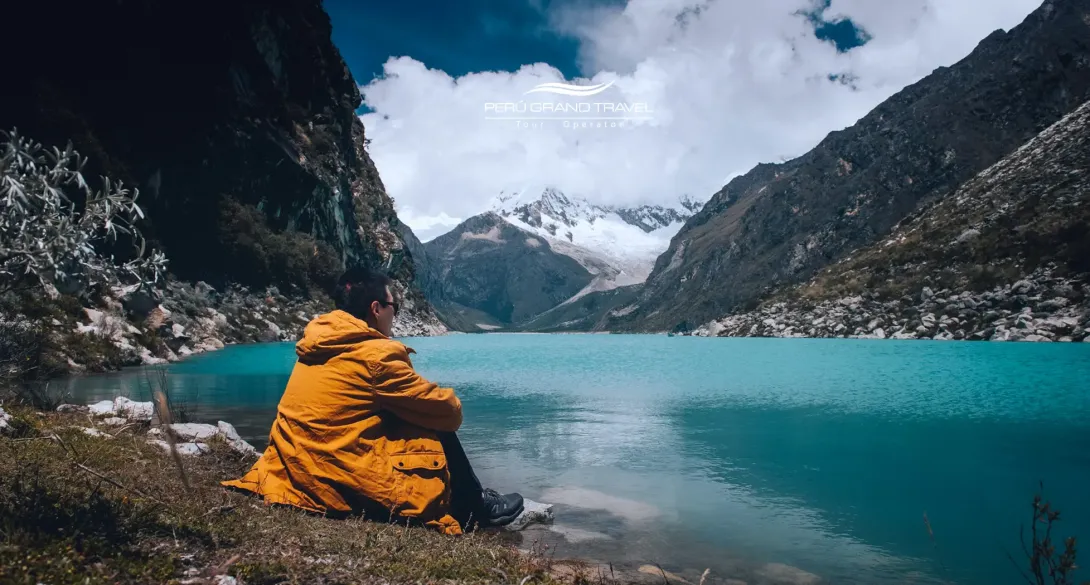
Discover how high is Huaraz Peru at 3,052 m and explore its stunning lakes, mountains and high-altitude landscapes safely.
Huaraz, the gateway to Peru’s Cordillera Blanca, sits at one of the highest elevations of any major city in the country. If you’re researching how high is Huaraz Peru, the exact altitude is 3,052 meters (10,013 feet) above sea level. This impressive height is part of what makes Huaraz such a spectacular destination—but it also means travelers must be prepared for high-altitude conditions.
Surrounded by towering snow-capped peaks, turquoise lagoons, and world-famous trekking routes, Huaraz offers unmatched natural beauty. However, its elevation can impact breathing, energy levels, and your overall travel experience. Understanding the altitude, knowing how to acclimatize, and planning your itinerary strategically will ensure a safe, comfortable, and unforgettable adventure in one of Peru’s most breathtaking regions.
Where Is Huaraz and Why Is It So High?
Huaraz is located in the central Peruvian Andes, in the region of Áncash, and serves as the main access point to the famed Cordillera Blanca. Its high elevation is the result of its position in a deep Andean valley—the Callejón de Huaylas—surrounded by towering peaks that rise dramatically above (6,768 m / 22,205 ft) meters.
The combination of Andean geography, glacial mountains, and high plateau terrain makes Huaraz sit at a much higher altitude than most cities in Peru.
Elevation of Huaraz
Huaraz sits at 3,052 meters (10,013 feet) above sea level—significantly higher than Lima and similar to some of Peru’s top highland destinations.
This elevation is the first factor travelers must consider when planning their visit.
Geography and Andean location
Huaraz lies in the Callejón de Huaylas, a long Andean valley carved by ancient glaciers. To the east rises the Cordillera Blanca, the highest tropical mountain range on Earth, and to the west, the lower Cordillera Negra.
This location creates:
- A high-altitude plateau-like environment
- Thin, dry air
- Cooler temperatures, especially at night
- Strong sunlight due to elevation
The surrounding mountains influence its climate, weather patterns, and oxygen levels.
The Cordillera Blanca and surrounding mountains
Huaraz owes its altitude largely to the Cordillera Blanca, a massive geologic uplift dominated by snow-capped giants such as:
- Huascarán (6,768 m / 22,205 ft) — the highest peak in Peru
- Alpamayo (5,947 m) — often considered the “most beautiful mountain in the world”
- Vallunaraju, Chopicalqui, Pisco, and many others
These mountains tower above Huaraz and shape its geography, making the city a natural basecamp for trekking, climbing, and exploring high-elevation lakes.
Huaraz Altitude in Context
Understanding how high Huaraz is becomes easier when comparing it to other popular destinations in Peru. At 3,052 meters (10,013 feet), Huaraz sits higher than many travelers expect—especially those arriving from sea level in Lima.
Esta comparación te ayuda a planificar una aclimatación adecuada antes de hacer caminatas exigentes como Laguna 69, Laguna Parón o Pastoruri.
Exact elevation of Huaraz
- Huaraz altitude: 3,052 m / 10,013 ft
This makes it one of the tallest major cities in the country.
At this elevation, oxygen levels are lower than at sea level, which can impact breathing, energy, and overall physical performance—especially during the first 24–48 hours.
Altitude compared to Lima, Cusco, Arequipa, and Puno
Huaraz sits:
- Much higher than Arequipa
- Slightly lower than Cusco
- Significantly lower than Lake Titicaca
For travelers coming from Lima, the altitude jump is considerable, which makes acclimatization essential.
Why Huaraz is one of Peru’s highest major cities
Huaraz is built on an elevated Andean valley floor that rises above 3,000 meters. Unlike Cusco and Puno, historically Inca settlements strategically built at high altitude. Huaraz developed organically in a high mountain environment due to:
- Natural access to water from glacial melt
- Fertile valleys for agriculture
- Connection between Andean communities in the Callejón de Huaylas
- Proximity to sacred mountains (apus)
Its altitude is not accidental—it is a result of its strategic Andean location and the geography of the Cordillera Blanca.
Altitude of Huaraz vs. Nearby Attractions
Huaraz sits at 3,052 m (10,013 ft), but most of the famous attractions in the region are located even higher. Knowing the altitude differences helps you plan your acclimatization and choose the right tours for each day.
A continuación verás las altitudes de los destinos más populares de la Cordillera Blanca y el Callejón de Huaylas.
Laguna 69 altitude
- Altitude: 4,600 m / 15,091 ft
Laguna 69 is one of the highest and most demanding day hikes in Peru. It rises more than 1,500 meters above Huaraz, making proper acclimatization essential.
Laguna Parón altitude
- Altitude: 4,185 m / 13,727 ft
Laguna Parón sits slightly lower than Laguna 69 but still significantly above Huaraz. The lake is accessible by car, and the short hike to the lookout makes breathing noticeably more difficult due to the elevation.
Pastoruri Glacier altitude
- Altitude: 5,000 m / 16,404 ft
Pastoruri is one of the highest-accessible glaciers in the region. Even though the hike is short, the extreme altitude requires slow walking, hydration breaks, and good acclimatization.
Huascarán mountain elevation
- Valleys: 3,000–3,500 m
- Lookouts: 4,000–4,800 m
- High passes: Over 4,700 m
Huascarán itself—the highest mountain in Peru—reaches 6,768 m (22,205 ft), but only experienced climbers attempt its summit. Most visitors stay within the safer altitude ranges of 3,500–4,800 m.
Lake Churup Altitude
- Altitude: 4,450 m / 14,600 ft
A beautiful turquoise lake near Huaraz with a moderately challenging hike, ideal for acclimatization after one or two days in the city.
Chavín de Huántar altitude
- Altitude: 3,180 m / 10,430 ft
Chavín is one of the few major attractions near Huaraz that does not require extreme altitude adjustment. It’s slightly higher than Huaraz but accessible for all travelers.
What to Expect at 3,052 Meters (10,013 Feet)
Huaraz sits at 3,052 meters (10,013 feet), which is high enough for travelers to feel noticeable changes in how their body reacts to physical activity, oxygen levels, and daily movement. Understanding what to expect at this altitude will help you prepare properly and make your trip more comfortable.
How altitude affects breathing and physical activity
At over 3,000 meters, the air contains less oxygen, so your body must work harder to perform even simple tasks. Visitors usually notice:
- Shortness of breath when walking uphill
- Faster heart rate during mild exertion
- Feeling tired sooner than expected
- Slower recovery time after physical effort
This is completely normal. Even fit travelers experience reduced performance during their first 24–48 hours in Huaraz. Activities such as climbing stairs, carrying bags, or walking quickly may feel more difficult at first.
Common symptoms of altitude sickness
Altitude sickness—locally called soroche—can appear when your body adjusts to lower oxygen levels. The most common symptoms include:
- Headache
- Mild dizziness or lightheadedness
- Fatigue or low energy
- Loss of appetite
- Trouble sleeping
- Nausea in some cases
These symptoms are usually mild and temporary, improving as your body acclimatizes. Drinking water, avoiding alcohol, and resting on the first day greatly help reduce discomfort.
When symptoms typically appear
Altitude-related symptoms typically begin:
- Within the first 6–12 hours after arriving
- Peak during the first night
- Improve significantly after 24–48 hours
- Fully stabilize after 2–3 days for most travelers
It’s completely normal for the first day in Huaraz to feel more tiring than expected. Once your body adapts, you’ll be ready to explore higher-elevation destinations like Laguna 69, Parón, Pastoruri, and Churup without major issues.
How to Acclimatize in Huaraz
Because Huaraz sits at 3,052 meters (10,013 feet), taking time to acclimatize is essential before attempting high-altitude hikes. A proper acclimatization plan helps your body adjust to lower oxygen levels, reduces discomfort, and prepares you for demanding activities like Laguna 69, Laguna Parón, and Pastoruri.
Recommended acclimatization timeline
A good acclimatization schedule makes a big difference in how you feel during your stay. Most travelers benefit from the following timeline:
Day 1 — Arrival in Huaraz
- Rest, hydrate, walk slowly
- Avoid heavy meals and alcohol
- Explore the city at a relaxed pace
Day 2 — Light Activities at Similar Altitude
Ideal options:
- City viewpoints
- Wilcahuain archaeological site
- Walks around the Callejón de Huaylas
Day 3 — Moderate-Altitude Excursions (3,800–4,200 m)
Good choices:
- Laguna Parón
- Lake Churup
- Llanganuco lakes (not hiking Laguna 69 yet)
Day 4+ — High-Altitude Hikes (4,500+ m)
Now your body is ready for more demanding treks such as:
- Laguna 69
- Pastoruri Glacier
- High passes in Huascarán National Park
This schedule minimizes the risk of altitude sickness and helps you enjoy the hikes with good energy.
Foods, drinks, and habits that help
Certain habits and traditional Andean remedies help your body adjust faster:
Stay hydrated
Mountain air is dry, so drinking 2–3 liters of water per day helps prevent headaches and dizziness.
Eat light, warm meals
Soups, vegetables, rice, and carbohydrates are easier to digest at altitude than heavy or greasy foods.
Avoid alcohol on day 1
Alcohol dehydrates the body and intensifies altitude symptoms.
Try local herbal remedies
- Coca tea or coca leaves improve circulation and oxygen absorption.
- Muña tea helps with breathing and digestion.
These traditional remedies are widely used by locals.
Move slowly
Avoid rushing, especially up stairs or hills. Conserving energy during the first day is key.
Who is more likely to experience altitude sickness
Anyone can feel altitude symptoms, but some groups are more prone:
- Travelers coming from sea level, especially Lima
- People who ascend too quickly without rest
- Those with a history of altitude sensitivity
- Smokers, due to reduced lung efficiency
- People with dehydration or poor sleep the night before arrival
Age, fitness level, or athletic ability do not determine who gets altitude sickness. Even very fit hikers can feel symptoms if they ascend too fast without acclimatization.
Tips for a Safe First Day in Huaraz
Your first day in Huaraz is crucial for proper acclimatization. Because the city sits at 3,052 m (10,013 ft), starting too fast can trigger altitude sickness. Following these simple recommendations will help you feel better, adapt faster, and enjoy the rest of your trip with more energy.
What to avoid on arrival
When you arrive in Huaraz, it’s important to protect your body from unnecessary strain. Avoid:
- Alcohol — it dehydrates and worsens altitude symptoms.
- Heavy or greasy meals — digestion is slower at high altitude.
- Fast walking or climbing stairs — even mild exertion can cause headaches or shortness of breath.
- Immediate high-altitude tours — don’t go to Laguna 69, Pastoruri, or Parón on day 1.
- High-intensity exercise — gyms, running, or long hikes are not recommended.
Taking it easy on the first day prevents soroche and helps your body begin adjusting smoothly.
Best activities for day 1
Your first day should be calm, relaxing, and low-altitude. Ideal activities include:
- Walking slowly around Huaraz city
- Exploring the Plaza de Armas or local markets
- Visiting easy viewpoints close to town
- Trying coca tea or muña tea
- Resting at your hotel and staying hydrated
These gentle activities keep your body active without pushing it too hard.
When you can safely start trekking
Most travelers can begin higher-elevation activities after a short acclimatization period:
- After 24 hours:
Light excursions at similar altitude (around 3,000–3,500 m), such as Wilcahuain or local walks. - After 48 hours:
Moderate hikes (Laguna Parón, Lake Churup, Llanganuco lakes—without long treks). - After 72 hours:
High-altitude hikes such as Laguna 69, Pastoruri Glacier, or passes above 4,500 meters.
This gradual approach reduces the risk of altitude sickness and ensures a safer, stronger trekking experience.
Best Time to Visit Huaraz for High-Altitude Travel
Choosing the right time to visit Huaraz is essential, especially if you plan to hike to destinations like Laguna 69, Parón, Pastoruri, or Churup. Weather conditions strongly influence visibility, trail safety, and overall hiking experience. Huaraz has two main seasons—dry and rainy—and each one offers advantages depending on your travel style.
Dry season (May–September)
This is the best time of year for trekking in Huaraz. The dry season brings:
- Clear skies
- Excellent visibility for photography
- Stable weather with minimal rain
- Dry trails, making hikes safer and more comfortable
Temperatures are cold at night and early morning, but days are sunny with crisp mountain air. This is also high season, so expect more visitors on popular trails like Laguna 69.
Ideal for:
- Trekking
- Climbing
- Long-distance hikes
- High-altitude expeditions
Rainy season (October–April)
During the rainy months, weather becomes more unpredictable. Expect:
- Afternoon showers
- Cloudy or foggy mornings
- Wetter, muddier trails
- Fewer travelers and more availability
December to March are the rainiest months, but mornings can still be enjoyable for short or moderate hikes.
Ideal for:
✔ Travelers who prefer fewer crowds
✔ Flexible itineraries
✔ Short hikes or cultural visits
Avoid long, exposed treks during heavy rain for safety reasons.
When visibility and trekking conditions are best
The optimal months for trekking with strong visibility, stable weather, and safe trail conditions are:
- June
- July
- August
These months offer the most consistent blue skies and clear views of the Cordillera Blanca. Sunrise and morning photography are spectacular, and trail conditions are at their driest.
Shoulder months May and September are also excellent choices, combining good weather with slightly fewer tourists.
How the High Altitude Shapes Huaraz Weather
Huaraz’s weather is directly influenced by its high altitude of 3,052 meters (10,013 feet). Even though the region is close to the equator, temperatures remain cool year-round because the thin mountain air can’t retain heat. This creates sharp temperature changes between day and night and a climate that feels colder than expected for many travelers.
Temperature range throughout the year
Huaraz experiences mild days and cold nights regardless of the season. Typical temperatures include:
- Daytime: 15°C to 22°C (59°F to 72°F)
- Nighttime: 0°C to 7°C (32°F to 45°F)
During the dry season (May–September), nights can drop close to freezing, especially in higher-altitude areas near Huascarán National Park.
The rainy season (October–April) brings slightly warmer nights but more cloud cover and afternoon showers.
Day vs. night temperaturas
One of the biggest surprises for visitors is how quickly temperatures change:
Daytime:
- Warm sun
- Clear skies
- Strong UV radiation
- Comfortable for hiking (with layers)
Nighttime:
- Cold temperatures
- Very low humidity
- Quick loss of heat once the sun sets
This is why dressing in layers is essential. Travelers often feel warm at midday but cold as soon as shadows appear.
Why Huaraz feels cold despite the sun
Even when the sun is strong, Huaraz often feels cooler than expected due to:
- High altitude: Thin air doesn’t hold heat, so warmth dissipates quickly.
- Low humidity: Dry mountain air makes temperatures drop sharply at sunset.
- Strong wind in open valleys: The Callejón de Huaylas channels cold air from nearby glaciers and snow-capped peaks.
Proximity to the Cordillera Blanca: Glacial masses create cold microclimates, especially near lakes and trekking areas.
This combination explains why Huaraz can feel chilly even on bright, sunny days—and why warm layers are necessary year-round.
What to Pack for High Altitude in Huaraz
Packing correctly is essential when visiting Huaraz. Because the city sits at 3,052 m (10,013 ft) and most attractions are even higher, temperatures can shift dramatically within hours. Bringing the right clothing and gear ensures comfort, safety, and a better trekking experience in the Cordillera Blanca.
Clothing for cold mornings and warm days
High-altitude weather is unpredictable, and layering is the key to staying comfortable. You should prepare for cold early mornings, warm afternoons, and chilly nights.
Recommended clothing includes:
- Base layers: breathable T-shirts or long sleeves
- Mid layer: fleece or light sweater for early hours
- Outer layer: windproof or waterproof jacket
- Pants: comfortable hiking pants or leggings (avoid jeans)
- Warm accessories: hat, gloves, and scarf for cold mornings
- Thermal wear: useful for overnight stays or early departures
Temperatures can jump from near freezing at dawn to over 20°C (68°F) at midday, so layering helps you adapt easily.
Gear for trekking and mountain tours
Many popular destinations around Huaraz involve steep trails, rocky terrain, or long distances. The right gear improves safety, comfort, and overall enjoyment.
Useful trekking gear includes:
- Hiking shoes with good grip (essential for Laguna 69 and Churup)
- Small daypack (20–25 L)
- Reusable water bottle or hydration pack
- Walking poles (highly helpful for steep climbs; required rubber tips inside park sites)
- Rain cover for your backpack
- First aid kit with bandages, blister care, and personal medications
- Snacks: energy bars, nuts, fruit
- Headlamp for early departures
- Light towel and swimsuit (if visiting hot springs)
If you’re planning multi-day treks, additional gear may be necessary, but most can be rented in Huaraz.
Sun protection essentials
Sun exposure at high altitude is much stronger due to thinner air, even when the weather feels cool. Sun protection is mandatory for every activity.
Bring:
- High-SPF sunscreen (SPF 50+ recommended)
- Lip balm with SPF
- Sunglasses with UV protection
- Wide-brim hat or cap
- Light long-sleeve shirts for sun coverage
UV radiation is intense in the Andes, and burns can occur quickly, especially near reflective surfaces like lakes, snow, and glaciers.
Is Huaraz Altitude Dangerous?
Huaraz sits at 3,052 m (10,013 ft)—high enough for many travelers to feel altitude effects, but generally safe with proper acclimatization. Most visitors only experience mild symptoms that improve within 24–48 hours. However, understanding the risks and knowing when to get help is important, especially if you plan to hike to altitudes above 4,500 meters.
When to seek medical attention
Mild altitude symptoms (headache, fatigue, light dizziness) are normal, but you should seek medical attention if you experience:
- Persistent or severe headache that doesn’t improve with rest
- Vomiting, especially if repeated
- Difficulty breathing at rest
- Loss of coordination or extreme confusion
- Chest pain
- Inability to walk normally
These could be signs of moderate to severe altitude sickness, which requires immediate evaluation. Huaraz has clinics and hospitals experienced in treating altitude-related issues, and many hotels can arrange oxygen if needed.
If symptoms worsen at any point, stop ascending immediately.
Safe altitude limits for beginners
For travelers coming from sea level (like Lima), reasonable altitude progression is key:
- Safe for arrival:
✔ 3,052 m — Huaraz - Safe after 24–48 hours of acclimatization:
✔ 3,800–4,200 m — Laguna Parón, Lake Churup - Safe after 48–72 hours:
✔ 4,500–5,000 m — Laguna 69, Pastoruri Glacier
Beginners should avoid going directly to high-altitude hikes on the first day, as this dramatically increases the risk of altitude sickness.
Medications and treatments for altitude issues
Several treatments can help reduce symptoms or support acclimatization:
- 1. Acetazolamide (Diamox)
- Helps speed up acclimatization
- Often used by travelers sensitive to altitude
- Must be prescribed by a doctor
- Soroche pills
- Common in Peru (usually contain aspirin + caffeine)
- Provide mild relief for headaches and discomfort
- Oxygen
- Available at hospitals, clinics, and some hotels
- Used for moderate symptoms or severe discomfort
- Natural remedies
- Coca leaves tea: help circulation and reduce dizziness
- Muña tea: helps with breathing and digestion
- Hydration & rest
- Drinking plenty of water and avoiding alcohol are simple but effective measures.
Frequently Asked Questions About Huaraz Elevation
How high is Huaraz Peru?
Huaraz is located at 3,052 meters (10,013 feet) above sea level. This high altitude means most travelers will feel some degree of adjustment when they arrive, especially those coming from Lima.
Is Huaraz higher than Cusco?
No. Cusco sits at 3,400 m (11,152 ft), which is higher than Huaraz. However, Huaraz is still considered high altitude and requires acclimatization before visiting nearby hikes over 4,000 meters.
Do you need acclimatization before visiting Huaraz?
Yes. Even though Huaraz is lower than Cusco, you should acclimatize for 24–48 hours before attempting high-altitude hikes. This helps your body adjust and reduces the risk of altitude sickness.
Can you hike Laguna 69 on your first day?
No. Laguna 69 sits at 4,600 m (15,091 ft) and is a demanding trek. Attempting it on day 1 greatly increases the chance of altitude sickness. Most travelers wait 2–3 days before doing it.
How many days should you stay in Huaraz?
The ideal stay is 3 to 5 days. This allows time for acclimatization and enough days to visit major attractions like Laguna Parón, Laguna 69, Pastoruri, Churup, and Llanganuco.
Final Travel Tips for Visiting Huaraz at High Altitude
Visiting Huaraz is an unforgettable experience, but its 3,052 m (10,013 ft) elevation requires smart planning. A few simple precautions can make your trip safer, more comfortable, and fully enjoyable—especially if you’re heading to high-altitude destinations like Laguna 69, Parón o Pastoruri.
Planning your itinerary safely
To stay healthy and avoid altitude problems, plan your trip in the right order:
- Dedicate your first day to rest and light activities at similar altitude.
- Schedule moderate hikes (Parón, Churup) for day 2 or 3.
- Leave high-altitude treks (Laguna 69, Pastoruri) for day 3 or later.
- Avoid rushing or stacking multiple difficult hikes in a row.
A gradual itinerary allows your body to adapt naturally and improves your performance during challenging hikes.
Choosing tours according to your acclimatization
Selecting the right tours depends on how long you’ve been at altitude:
- Day 1: City walking, Wilcahuain, viewpoints
- Day 2: Laguna Parón, Lake Churup, Llanganuco lakes
- Day 3+: Laguna 69, Pastoruri Glacier, high passes in Huascarán National Park
If you’re unsure, ask local guides or agencies—they are used to helping travelers choose hikes based on their adaptation level.
How to avoid altitude complications
A few precautions go a long way in preventing altitude sickness:
- Drink plenty of water throughout the day.
- Avoid alcohol on your first day in Huaraz.
- Eat light, warm meals and avoid heavy or greasy foods.
- Walk slowly and take breaks—especially on steep sections.
- Consider coca tea, muña tea, or medications if you’re sensitive to altitude.
- Stop ascending if symptoms worsen and rest until you feel better.
Listening to your body is the most important thing. With proper acclimatization and planning, your high-altitude adventure in Huaraz will be both safe and memorable.
Ready to discover them? Traveling is about discovering, learning, and creating unforgettable memories, and Peru is the perfect destination for all of that. Its landscapes, history, and culture make every experience unique, filled with moments that will change your life.
We invite you to explore our Peru packages. Your experience in Peru is just one step away. Contact us now and start living the unique adventure you’ve always dreamed of.
More information:
- Visit our English website: Peru Grand Travel
- Visit our Spanish website: Viajes Machu Picchu Tours
- Visit our Portuguese website: Machu Picchu Pacotes