
Peru Travel

Costa Verde, Boardwalk of Miraflores

Costa Verde, Miraflores Boardwalk in Lima: Enjoy the Beauty of the Pacific Ocean and the Energy of this Coastal Icon, Explore Lima in Style!

Seaside Promenade at Boardwalk Costa Verde of Lima is one of the most popular places for both residents and tourists alike. It features vast green areas, perfect for picnics or outdoor exercise. Boardwalk Costa Verde has many fun activities, such as children’s parks, soccer fields, and beach volleyball courts. It’s perfect for spending the day with family.

Another highlight of Costa Verde is the Marina Lighthouse, a historic structure dating back to the 19th century. This lighthouse in Miraflores is one of the oldest on the Peruvian coast and offers a panoramic view of the city and the sea.

History of Boardwalk Costa Verde of Lima
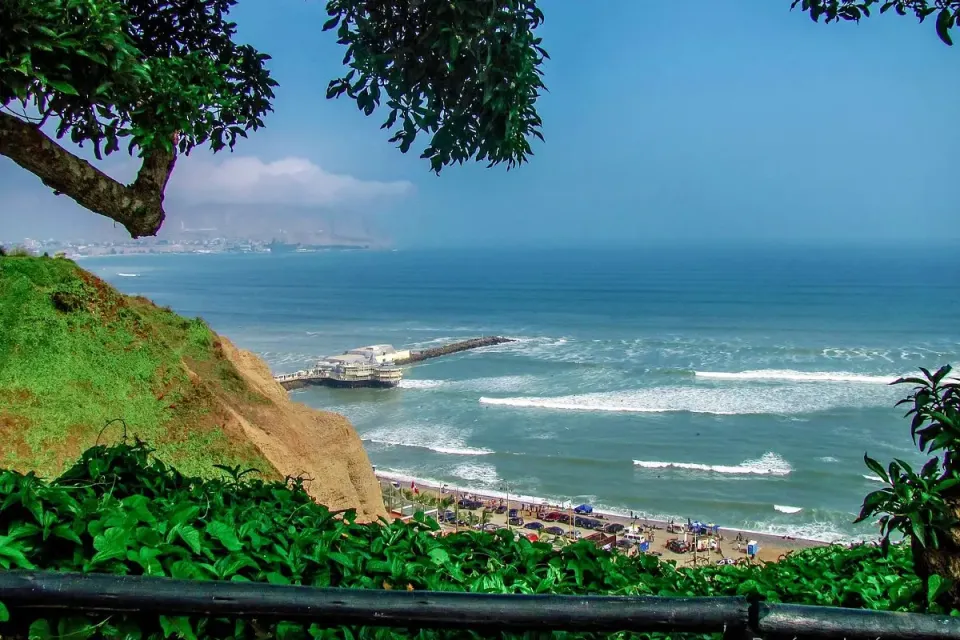
Costa Verde, Lima
Costa Verde, Lima Miraflores

Its history dates back to the early 20th century when its construction began as part of a city beautification project.

Boardwalk Costa Verde was created for Limeños to have fun and relax by the coast. It’s a place where you can enjoy the sea and views of the city.

The construction of Costa Verde took place in various stages over the years. The initial sections were built in the 1920s, but it was in the 1960s that a significant expansion took place, allowing the promenade to extend for several kilometers.

Throughout its history, Boardwalk Costa Verde has witnessed various events and transformations. In its early days, it was an exclusive place for the Lima elite, with elegant clubs and restaurants. However, over time, it opened to the general public and became a democratic and accessible space for everyone.

Today, Costa Verde is one of Lima’s main tourist attractions. Its wide streets, parks, and balconies offer beautiful views of the sea. Additionally, they allow tourists to engage in outdoor activities such as walking, running, biking, or relaxing on benches. Visitors can also admire the landscape.

Location of Boardwalk Costa Verde

Boardwalk Costa Verde is located in Lima, Peru. It stretches along 10 km on the Pacific Ocean coast and includes Miraflores, Barranco, Chorrillos, and San Isidro. This picturesque promenade offers beautiful views of the sea, green spaces, recreational areas, and a varied gastronomic offer.

How to Get to Costa Verde

To reach Boardwalk de la Costa Verde, one of the city’s main tourist attractions, there are various transportation options.

If you are in the city center, an option is to take a taxi. Taxis are abundant in Lima, and it’s a fast and convenient way to reach the promenade. Make sure to agree on the price before getting into the taxi.

Another option is to use public transportation. Lima has a bus system called Metropolitano, which has a route passing through Costa Verde. You can take the Metropolitano from different points in the city and get off at the station closest to the promenade. From there, you can walk to the promenade or take a taxi to reach the final destination.

A reliable choice would be to opt for the services of a travel agency. Where you won’t have to worry about anything, just enjoy every corner of Malecón Costa Verde.

What to See at Boardwalk Costa Verde

Costa Verde is very popular and has many things to do and see. One of the main attractions is the Parque del Amor, a romantic spot dedicated to love and poetry. This park features a giant sculpture of a kissing couple, known as “El Beso,” which has become an iconic symbol of Lima. Additionally, Parque del Amor offers stunning views of the sea and is a popular spot for watching the sunset.

Boardwalk Costa Verde also has its impressive ocean view. Visitors can enjoy beautiful panoramic views of the ocean and Lima’s beaches while strolling along the promenade. Moreover, there are numerous viewpoints along the promenade where you can stop and admire the beauty of the landscape.

Another popular activity at Boardwalk Costa Verde is cycling. There is an extensive bike path that runs along the entire promenade, making it an ideal place for bike enthusiasts. Visitors can rent bikes at one of the many rental points available and enjoy a pleasant ride by the sea.

In addition to the views and cycling, Boardwalk Costa Verde also houses several parks, monuments, sculptures, and green areas. These spaces offer a tranquil place to relax and enjoy nature. Some of the most popular parks include Parque Salazar, which offers beautiful gardens and picnic areas. There are the Monument to the Fisherman, the Monument to the Peruvian Woman, and the Monument to Peace, among others.

Costa Verde is also known for its lively nightlife. There are plenty of bars, restaurants, and nightclubs along the promenade where visitors can enjoy delicious Peruvian food, live music, and dancing. It’s a popular spot for both locals and tourists to have a fun and lively night.

In summary, Boardwalk Costa Verde is a must-visit in Lima. With its stunning sea views, bike paths, parks, and nightlife, it offers something for everyone.

Archaeological Site Huaca Pucllana

Huaca Pucllana Archaeological Site: Discover the Majestic Culture of Lima in the Heart of Modern Lima: Time Travel!

Huaca Pucllana is an ancient adobe pyramid built by the Lima culture, which thrived between 200 and 700 A.D. in this archaeological site. In addition to the pyramid, the Huaca Pucllana archaeological site has a museum where objects found in the excavations are displayed. The museum provides detailed information about the history and culture of ancient Lima. Huaca Pucllana is one of Lima’s main tourist attractions, receiving thousands of visitors each year.

History of Huaca Pucllana

Huaca Pucllana was discovered in the 1980s during excavation work and has since been the subject of numerous archaeological investigations. The site is in excellent condition and has been restored for tourist visits. The pyramid of Huaca Pucllana has a height of 25 meters and is composed of seven superimposed platforms. Each platform has a specific function, such as residential, ceremonial, and administrative areas. On the top of the pyramid, there is a temple that would have been used for rituals and religious ceremonies. Inside Huaca Pucllana, numerous objects and human remains have been found, allowing archaeologists to obtain valuable information, including ceramics, textiles, stone tools, and animal bones, among other discoveries.

Location of Huaca Pucllana

The archaeological center Huaca Pucllana is located in the Miraflores district, in the city of Lima, Peru.

How to Get to the Huaca Pucllana Archaeological Complex

To reach the Huaca Pucllana archaeological site, there are several transportation options. If you are in the center of Lima, you can take a taxi or an Uber to get there. The taxi ride usually takes around 20 minutes, depending on traffic. It is important to make sure the taxi driver is aware of the exact location of Huaca Pucllana, as it is a popular tourist destination. Another option is to use public transportation. You can take a bus heading to Miraflores and get off at Avenida Angamos, near Huaca Pucllana. From there, you can walk a few minutes to reach the archaeological site. It is advisable to ask locals or use public transportation apps to ensure you take the correct bus. In summary, getting to Huaca Pucllana is relatively straightforward, whether by taxi or public transportation. Once there, you can immerse yourself in the history of ancient Lima and enjoy a stroll through this impressive archaeological site.

What to See at the Huaca Pucllana Archaeological Site

The archaeological site of Huaca Pucllana is one of the most important tourist destinations in Lima, Peru. One of its most outstanding features is its architecture, showcasing the skill and knowledge of Lima’s ancient inhabitants in constructing monumental structures. Additionally, remnants of murals and reliefs depicting scenes of daily life and religious rituals can be appreciated. The archaeological site has a museum displaying a collection of objects found in the excavations, such as ceramics, textiles, and stone tools. These pieces provide insights into the Lima culture and its way of life. In addition to viewing the pyramid, tourists can take a guided tour of the ancient site, where they will be explained the history and significance of each structure. Activities such as ceramic and weaving workshops are also available, allowing visitors to learn ancestral techniques. Regarding gastronomy, Huaca Pucllana has a restaurant offering typical Peruvian dishes made with fresh and high-quality ingredients. Diners can enjoy a delicious meal while admiring the panoramic view of the archaeological site.

  • Opening Hours and Entrance Fee for Huaca Pucllana
  • Opening hours: Wednesday to Monday – From 09:00 am to 05:00 pm
  • Entrance fee: Adults S/. 15.00 – Children S/. 7.50

In summary, visiting the archaeological site of Huaca Pucllana is an enriching experience that allows you to learn more about the Lima culture and its historical legacy. Additionally, it offers the opportunity to enjoy the architectural beauty.

Temple of Pachacamac

Temple of Pachacamac: Immerse yourself in the Spirituality of this Ancient Peruvian Sanctuary. Discover the History in every corner.

The Archaeological Sanctuary or temple of Pachacamac is a tourist site in Peru, rich in history and mystery, attracting many visitors each year. It spans 465 hectares and features ancient structures from different periods in Peru’s history. The sanctuary is believed to have been occupied from 200 A.D. until the arrival of the Spanish in the 16th century.

One of Pachacamac’s standout features is its architecture, combining elements from different pre-Hispanic cultures such as the Incas, Wari, and Lima. The complex comprises temples, palaces, plazas, and dwellings, all constructed with stone and adobe. The main temple of Pachacamac is the Temple of the Sun, dedicated to the Inca sun god. This temple is notable for its imposing size and strategic location atop a hill, providing a panoramic view of the valley and the Pacific Ocean.

History

Pachacamac’s history dates back over 1,500 years when the first human settlements began in the area. However, it was during the Inca period that the sanctuary reached its zenith. The Incas considered Pachacamac a sacred place, making it one of the main religious centers of their empire.

The sanctuary was dedicated to Pachacamac, a deity revered by the Incas as the creator of the universe. Pilgrims from across the empire visited this place to pay homage and make offerings to the god. The complex housed temples, palaces, plazas, and residences for priests and pilgrims.

One of the standout structures in Pachacamac is the Temple of the Sun, also known as the Painted Temple. This temple was built with adobe and adorned with murals depicting scenes of daily life and religious rituals. Although many murals have deteriorated over time, some fragments have been restored and can be appreciated on-site.

Pachacamac has several important temples and buildings, including the Temple of the Sun, the Temple of the Moon, the Temple of the Chosen Women, and the Palace of the Acllahuasis. These structures reflect the religious and political importance the site held during the Inca era.

In addition to its architectural value, Pachacamac is also known for its religious significance. During the pre-Hispanic era, the sanctuary was considered a sacred place and was visited by pilgrims from different parts of the Inca empire. It is believed that the priests of Pachacamac conducted rituals and human sacrifices as offerings to the gods.

Today, the temple of Pachacamac is one of Peru’s most popular tourist destinations. Visitors can explore the different structures and learn about the history and culture of the region. Additionally, the site has a museum that houses a collection of artifacts found in archaeological excavations.

Location of Pachacamac

Located in the Lurín district, just 40 kilometers south of Lima, Peru.

How to Get to the temple of Pachacamac

To reach the Archaeological Sanctuary of Pachacamac, there are various transportation options. The most common way is to take a bus from Lima to the Lurín district, where the sanctuary is located. Buses regularly depart from different points in the city, and the journey takes approximately one hour, depending on traffic.

Another option is to take a taxi from Lima to Pachacamac, which may be more convenient if traveling in a group or if you prefer a faster and more comfortable journey. However, keep in mind that taxis may be more expensive than buses.

A reliable choice would be to opt for the services of a travel agency, where you won’t have to worry about anything, just enjoy every corner of the archaeological sanctuary of Pachacamac.

What to See in the Archaeological Sanctuary of Pachacamac

The sanctuary is known for hosting a wide variety of architectural structures, dating from pre-Inca periods to the Inca era. Among the main buildings are the Temple of the Sun, the Temple of the Moon, and the Temple of the Virgins of the Sun.

The Temple of the Sun is considered the most important building in Pachacamac. Built with adobe and stone, this temple was used to worship the sun god, Inti. Its architectural design is impressive, with a large central plaza surrounded by columns and a staircase leading to the top of the temple.

The Temple of the Moon, on the other hand, is a building dedicated to the worship of the moon goddess, Mama Quilla. This temple has architecture similar to the Temple of the Sun but on a smaller scale. It is believed that this temple was used for rituals and ceremonies related to fertility and agriculture.

The Temple of the Virgins of the Sun is another notable building in Pachacamac. This temple was used as a residence for the acllas, women chosen to serve the sun god. The temple features a series of rooms and courtyards where religious activities took place, and rituals were performed.

In addition to these temples, the sanctuary also houses other buildings and structures, such as palaces, plazas, streets, and cemeteries. These architectural elements provide a fascinating insight into the life and beliefs of the ancient Inca civilization.

The Archaeological Sanctuary of Pachacamac also has a museum, where a large number of artifacts found on-site are exhibited. These include ceramics, textiles, jewelry, and tools.

Admission, Opening Hours, and Price of the temple of Pachacamac

Opening hours:

The site is open on Tuesdays, Wednesdays, Thursdays, Fridays, and Saturdays from 9:00 am to 4:00 pm (Ticket sales until 3:45 pm). Sundays from 9:00 am to 3:00 pm (Ticket sales until 2:45 pm).

Fees:

The fees apply to all visitors equally, regardless of nationality.

  • S/15.00 General Adults
  • S/5.00 Higher Education Students (accredited)
  • S/1.00 Children and/or Schoolchildren (3 to 17 years old)
  • S/50.00 Guided Service (subject to availability)

Special rates:

50% discount on the current general fee for:

  • People aged 60 and over
  • People in voluntary military service
  • Teachers
  • Persons with disabilities

Caral Archaeological Site

Caral Archaeological Site: Discover the Cradle of Civilization in Peru. Immerse yourself in the history of this archaeological jewel.

The Caral Archaeological Site is considered one of the oldest sites in America and has been recognized as a World Heritage Site by UNESCO.

Caral is known for being the oldest city in America, with an age of approximately 5,000 years. It was discovered in 1994 by the Peruvian archaeologist Ruth Shady, who has led research and excavations at the site since then.

The archaeological zone of Caral covers an area of approximately 66 hectares and is composed of a series of pyram

ids, squares, and ceremonial buildings. The architecture of Caral is impressive, with monumental structures built with stone and mud. The stepped pyramids, which are the most recognizable symbol of Caral, stand out.

In addition to its historical and archaeological significance, Caral is also a place of great natural beauty. It is surrounded by mountains and offers breathtaking views of the Supe Valley. The archaeological site has been prepared to welcome visitors, with trails and viewpoints that allow exploring and enjoying the majesty of Caral.

History of the Caral Archaeological Site

The Caralians built monumental architectural structures that still impress today with their size and design. Among them, the stepped pyramids stand out, considered the oldest in America. These pyramids, built with stone and mud, reach heights of up to 20 meters and have large squares at their tops.

Temples and ceremonial squares have also been discovered, indicating the importance of religion and rituals in the life of this civilization. There is evidence that Caral was a significant political and religious center in its time, with a complex social organization.

Caral’s urban planning is also admirable. The city is divided into different sectors, each with its own function. For example, residential areas, administrative areas, and areas for agricultural production have been identified. This organization demonstrates a high level of social and economic organization.

Agriculture was one of the foundations of Caral’s economy. Through irrigation systems and terraces, they managed to cultivate a variety of products such as corn, beans, pumpkins, and cotton. Additionally, evidence has been found that they also practiced fishing and hunting, allowing them to diversify their diet and obtain additional resources.

Caral’s culture also stood out for its development in the artistic field. Numerous ceramic objects, textiles, and jewelry have been found, demonstrating their skill in these arts. Musical instruments such as flutes and drums have also been discovered, suggesting that music was also an important part of their culture.

One of the most fascinating aspects of Caral is its communication system. A series of quipus, which are knotted ropes used by ancient Peruvians to record information, have been found. This suggests that Caral had an advanced system of writing and accounting.

Despite its advanced civilization, the Caral culture mysteriously disappeared around 1800 B.C. The reasons for its disappearance are still unclear, but factors such as climate change and environmental challenges may have played a role.

Location of the Sacred City of Caral

It is located in the Supe Valley, about 200 kilometers north of the Lima region in the Barranca province, Peru.

How to Get to the Caral Archaeological Site?

To reach the Caral Archaeological Center, there are different transportation options. If you are in the city of Lima, the most common way to get there is by taking a bus from the Yerbateros Terminal. Buses depart regularly, and the journey takes approximately 3 hours. It is advisable to check the departure and arrival times, as they may vary depending on the season.

Another option is to hire a tour or excursion from Lima. Many travel agencies offer packages that include transportation and a guided visit to the Caral Archaeological Center. This option can be more comfortable and convenient, as you won’t have to worry about transportation or itinerary organization.

If you prefer to drive on your own, you can rent a car in Lima and follow the Panamericana Norte highway until you reach the Barranca province. The journey takes approximately 3 hours, depending on traffic and road conditions.

Once you arrive in the Barranca province, you will need to take a detour to the Caral Archaeological Center. The detour is signposted, and the road is in good condition. However, it is advisable to bring a map or use a GPS to ensure you don’t get lost.

It is important to note that the Caral Archaeological Center is in a remote area and does not have public transportation services. Therefore, it is recommended to plan your visit in advance and make sure you have a reliable means of transportation to return to your place of origin.

What to See at the Caral Archaeological Center?

The Caral Archaeological Center offers a unique experience for history and culture enthusiasts. As you explore this site, you will encounter impressive structures, including the stepped stone pyramids, temples, courtyards, and ceremonial squares. The Major Pyramid is one of the most notable structures and provides a spectacular panoramic view of the area. Here are the highlights you can enjoy:

Stepped Pyramids:

One of the most outstanding aspects of Caral is the impressive stepped pyramids that rise majestically on the horizon. These monumental structures, carefully built by the Caral civilization, testify to the architectural ingenuity of antiquity. Exploring these pyramids will offer you a glimpse of the greatness and technical skill of this ancient civilization.

Temples and Ceremonial Squares:

In addition to the pyramids, Caral houses temples and ceremonial squares that reflect the social and religious life of the civilization. These spaces were used for ceremonial activities, rituals, and community gatherings. Walking through these sites will allow you to immerse yourself in the world of ancient Caral culture and better understand their practices and beliefs.

Natural Landscape:

The surrounding environment of the sacred city of Caral is equally impressive. The green and fertile valley in which this archaeological site is located offers a beautiful and serene view. In addition to ancient structures, the natural landscape will provide you with a complete experience that combines history with the natural beauty of the region.

Panoramic Views:

By climbing the highest structures, such as the Major Pyramid, you will have the opportunity to enjoy extraordinary panoramic views of the surroundings. These views will allow you to appreciate the extent of the valley and give you a unique perspective on the distribution and planning of Caral.

Opening Hours and Entrance Fees

To visit Caral, it is important to mention that the Caral Archaeological Site is a protected site, and an entrance fee is required to enter. It is also recommended to hire a local guide to make the most of the visit and learn about the history and importance of this archaeological site. Generally, the archaeological center is open from Monday to Sunday, from 9 am to 5 pm.

Tickets:

  • General: S/.11 nuevos soles
  • Higher education students (institutes and universities): S/. 4
  • Children and schoolchildren (up to 12 years old): S/. 1
  • Guided group tour: S/. 20.00 nuevos soles

The Caral Archaeological Center is a cultural gem that allows us to reconnect with our most primitive roots. It offers a window to the past and an opportunity to understand the greatness of ancient civilizations. Don’t miss the chance to explore this wonderful historical legacy on your next visit to Peru!