

The Best Time to do the Salkantay trek: Discover when to enjoy this incredible route in the Andes to the maximum.
The choice of the time of year to do the Salkantay Trek is a crucial factor that can significantly influence the traveler’s experience. Each season has its own weather peculiarities and special attractions, so it is important to know them to make the most accurate decision.
It is important to consider that, due to the altitude and geography of the Salkantay Trek, the weather can vary considerably at different altitudes. Therefore, travelers must be prepared to face unexpected weather changes and carry the appropriate equipment and clothing to deal with any weather conditions.
Dry Season: From April to October (RECOMMENDED)
Salkantay is a Quechua word that means “Wild Mountain” or “Inaccessible Mountain.” It is a name that describes the imposing presence and majesty of the Salkantay Mountain in the Vilcabamba mountain range. This mountain is considered one of the most emblematic and revered in Andean culture and has been the subject of respect and reverence since ancient times. Its name reflects the greatness and impressive character of this mountain rising in the Peruvian Andes. Get ready to live a unique and enriching experience in the Salkantay Mountain!
Weather characteristics during the dry season
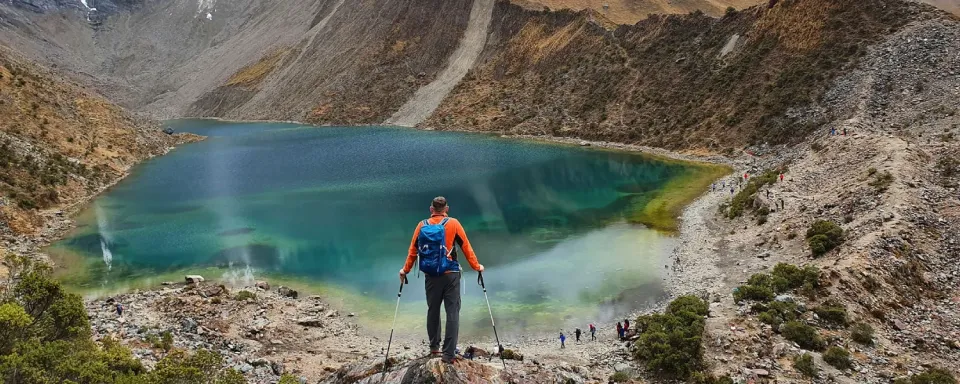
During the dry season, which goes from April to October, the weather on the Salkantay Trek is more stable and favorable for trekking, with sunny days, clear skies, and pleasant temperatures during the day. Rainfall is scarce, which makes for more comfortable hikes and allows for enjoying the spectacular panoramic views of the mountains and valleys.
Recommendations for equipment and clothing during this season
During the dry season, it is important to wear light and breathable clothing for the day, trekking shoes, along with a windbreaker jacket for cooler nights. Sunscreen and a hat are essential to protect yourself from the sun.
Routes and Trekking Options to the Mountain
The dry season offers optimal conditions for enjoying hikes without weather inconveniences, and these are the advantages:
- Stable weather: Providing ideal conditions to enjoy hikes without climate worries and impressive panoramic views.
- Less rain: This reduces the possibility of slippery trails and minimizes the risks of slipping and falling during the trek.
- Better trail conditions: Mud and mud, common during rainy seasons, decrease significantly, making it easier to move around and making the hike more comfortable and safer.
- Visibility of landscapes: Providing the opportunity to appreciate them in all their splendor.
- Camping conditions: Nights are usually milder, making the camping experience more comfortable and enjoyable.
Rainy Season: From November to March
Description of the climate during the rainy season
The rainy season, which spans from November to March, is characterized by frequent rainfall, which can result in slippery trails and more demanding conditions for trekking.
Advantages of traveling during the rainy season
Despite the rain, the rainy season offers the opportunity to enjoy greener and more lush landscapes, with a lower influx of tourists, and the possibility of getting accommodations and services at lower prices. For those seeking a more intimate and nature-connected experience, this season can be an interesting option.
Important considerations for trekking during this season
During the rainy season, it is essential to have high-quality waterproof equipment to protect yourself from rain and mud. It is important to take extra caution on descents and pay attention to the guide’s instructions to ensure safety during the trek. Having trekking experience and good physical condition is important to do the hike without issues.
Frosty season: June and July
Possibility of frost in certain parts of the route
During the months of June and July, especially at higher altitudes, there is a possibility of experiencing frost on the Salkantay Trek. This creates magical landscapes and a unique experience for travelers.
Advantages of traveling during the frosty season
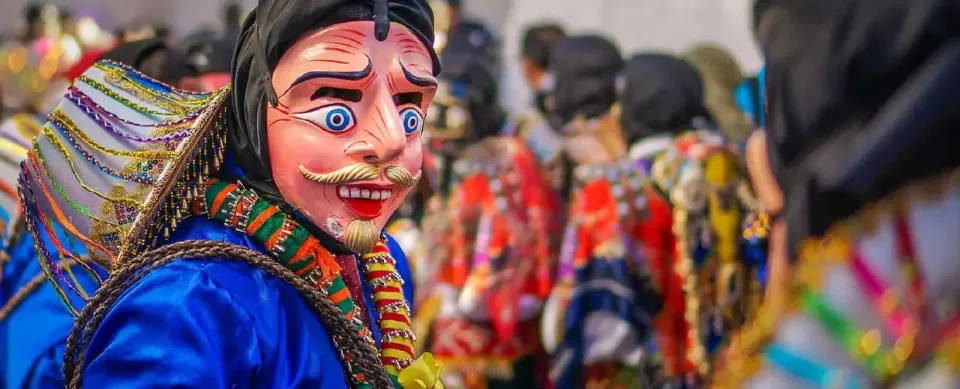
For those seeking an exceptional winter experience, with clear skies and visible landscapes, these dates also celebrate the festivals of Cusco, the Inti Raymi, on June 24 of each year.
Precautions and special preparation for facing extreme cold
In the face of extreme cold conditions, it is essential to have suitable equipment for winter weather, including thermal clothing, gloves, a hat, and a high-quality sleeping bag to withstand low temperatures during the nights.
Factors to consider when choosing the travel season
Traveler’s personal preferences
Each traveler has their own preferences and tolerance to the weather. Some prefer warmer temperatures, while others enjoy the winter charm. Evaluating these personal preferences will help decide the most suitable time for the trip.
Level of trekking experience and physical conditions
Trekking skills and physical preparation are also determining factors. Those with experience and good physical condition can opt for the rainy or snowy season without problems, while beginners may prefer the dry season for a more comfortable and safer hike.
Specific interests in flora, fauna, or cultural aspects
Different times of the year can offer unique experiences in terms of flora, fauna, and cultural aspects. For example, the dry season allows for better bird and animal watching, while the rainy season can enhance the lush vegetation and local festivities.
Celebrations and festivities that may influence the choice of the season
During certain times of the year, festivities and cultural events are celebrated in the Cusco region. If the traveler is interested in participating in these celebrations, it may be an important factor to consider when choosing the travel season.
Weather and Season
The weather is a determining factor on the Salkantay Trek. The dry season, from April to October, offers sunny days and pleasant temperatures, while the rainy season, from November to March, brings more rainfall and slippery trails. The choice will depend on the traveler’s preferences and tolerance to the weather.
Trekking difficulty
The level of difficulty varies depending on the time of year. The dry season may be more convenient for those seeking firmer and easier-to-trek trails, while the rainy season provides an additional challenge and a more authentic experience for nature lovers in its most exuberant state.
Tourist influx
The high season on the Salkantay Trek generally coincides with the dry season, which means there will be more tourists on the trail. Those seeking a quieter and less crowded experience may consider the rainy season, which usually has fewer visitors.
Availability of accommodation and services
The high season may have a higher demand for accommodation and services along the trail. It is important to book in advance if you choose to travel during this season to ensure availability and comfort.
Make your dreams of exploring Inca Culture come true with our Peru travel agency that stands out for offering quality services and personalized attention at every stage of your journey.
Our Peru vacation packages are meticulously designed to cater to all your travel preferences, whether you’re in search of an exciting adventure, a relaxing break, or unforgettable vacations. We provide flexible options so you can enjoy the experience that best suits your desires.