

Discover Qhaswa Raymi 2026 in Cusco. A grand celebration of Incan soul, traditional dance, and luxury travel. Plan your March adventure in Peru today!
I remember standing on the balcony of a colonial mansion overlooking the Plaza de Armas, a glass of aged pisco in hand, when the first drumbeat of Qhaswa Raymi echoed against the Incan stone foundations. The air in Cusco at 3,400 meters has a way of making everything feel more intense—the scent of roasted corn, the vibrant hues of hand-woven alpaca wool, and that palpable vibration of thousands of feet dancing in perfect unison.
If you are wondering when to travel to Peru, let me tell you: March is the secret season of the “Bon Vivant.” While the crowds of June are still months away, the city awakens for Qhaswa Raymi 2026, the “Champion of Champions” festival. It is the grand finale of the carnival in Peru, where the heart of the Tahuantinsuyo beats with a strength that hasn’t faded in five centuries.
What is the origin and significance of Qhaswa Raymi?
To understand Qhaswa Raymi, you must first understand the word itself. In Quechua, Qhaswa roughly translates to a festive, communal dance—often associated with joy, courtship, and agricultural celebration. Raymi, of course, means festival.
- The Origin: The roots of this celebration stretch back to pre-Hispanic times, linked to the agricultural cycle of ripening crops (the Hatun Puquy). It was a time to celebrate fertility and abundance before the dry season arrived.
- The Modern Significance: Today, Qhaswa Raymi serves as the official closing of the carnival season in the Cusco region. But it is much more than a closing party. It is a vital project of intercultural integration. It was designed to bring together the immense diversity of the Cusco region—uniting people from the high mountains to the jungle edges—in one central location.
Qhaswa Raymi Significado | What does it mean for locals?
For a Cusqueño, this festival is a matter of profound regional pride. As the regional governor aptly noted, it demonstrates that “our culture not only lives, it beats, sings, and dances in every corner of Cusco.” It is a living reaffirmation that the Inca spirit is not confined to museums; it breathes in the streets.
For a broader look at how this fits into the year-long calendar of celebrations, I invite you to explore our pillar guide on Festivals in Peru 2026.
DID YOU KNOW?
AMassive Gathering: In 2025 and moving into 2026, Qhaswa Raymi aims to bring together delegations from all 13 provinces and over 116 districts of the Cusco region. That is thousands of dancers converging on the Imperial City at once!
When and where does Qhaswa Raymi 2026 take place?
The 2026 edition of Qhaswa Raymi is scheduled for March 15th (with the grand finale often moving toward the 23rd depending on the regional calendar). The primary stage is the historic Plaza de Armas of Cusco.
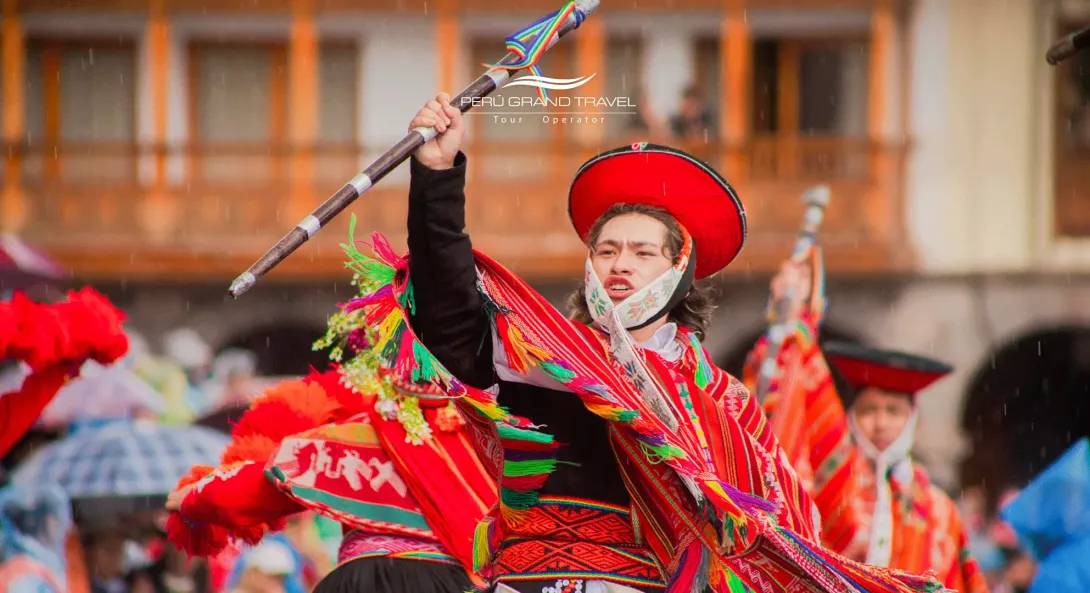
I’ve walked those cobblestones a thousand times, but during Qhaswa Raymi, the plaza transforms. The heavy wooden balconies are draped in regional flags, and the air is thick with the anticipation of more than 100 delegations. Starting from 8:00 AM, the city becomes a stage. If you are staying at one of the luxury boutique hotels near the center, you will likely wake up to the distant sound of brass bands tuning their instruments—a wake-up call far more elegant than any alarm.
What happens during Qhaswa Raymi 2026? | The Events
The energy of Qhaswa Raymi is palpable the moment you arrive in the city. The event is structured to showcase the very best of Andean culture.
The “Champion of Champions” Competition
This is the heart of the festival.
- The Contenders: The best dance and music groups from across the 13 provinces compete for the top recognition. These are not amateurs; these are dedicated cultural associations who have practiced for months.
- The Spectacle: You will see a dizzying array of choreography. From the energetic, stomping dances of the highlands designed to keep warm, to the fluid, flirtatious movements of the valley routines.
The Grand Parade | Pasacalle
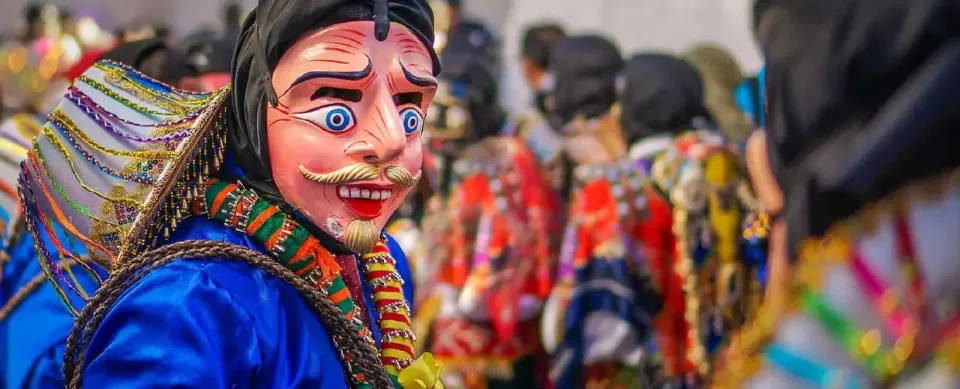
The streets of the historic center transform into a river of color. Delegations parade through the cobblestone streets toward the Plaza de Armas, playing live music with traditional instruments like quenas (flutes), zampoñas (panpipes), and drums.
The Gastronomic Festival
You cannot celebrate in Peru without eating. Alongside the dances, Qhaswa Raymi features a massive culinary fair.
- What to expect: It is a unique opportunity to taste hyper-local dishes from remote provinces that you won’t find on a standard restaurant menu. Expect hearty stews, uniquely prepared potatoes, and the ubiquitous Chicha de Jora (corn beer).
If you are planning your trip, timing is everything. For advice on the best seasons, review our guide on When to travel to Peru.
IMPORTANT FACT
The festival is estimated to generate over S/20 million in economic activity, supporting local artisans, restaurants, and hospitality sectors. It is a vital engine for Cusco’s regional development.
How does Qhaswa Raymi connect to other festivals in Peru?
Qhaswa Raymi acts as the bridge between the chaotic joy of carnival in Peru and the solemnity of Holy Week in Peru.
While the carnival is about water, foam, and unbridled play, Qhaswa Raymi brings a sense of order and artistic excellence to the festivities. It is the “grand finale” that prepares the city for the spiritual transition of April. If you are planning a longer stay, experiencing this transition is fascinating. You go from the explosive energy of the Qhaswa to the silent, incense-filled processions of the Lord of the Earthquakes in just a few weeks.
Essential Travel Data for Qhaswa Raymi 2026
Planning your visit during March requires a bit of expert insight. While the weather is transitioning, the cultural rewards are at their peak.
ADVICE GRAND
The sun in the Andes is deceptively strong even on cloudy days. Apply a high-SPF sunscreen early in the morning so you can enjoy the festivities without the “souvenir” of a sunburn.
What activities and tours should you combine with Qhaswa Raymi?
Since you are already in the heart of the Andes for Qhaswa Raymi, it is the perfect time to explore the surroundings.
- Sacred Valley Private Tour: Visit the salt mines of Maras and the circular terraces of Moray. In March, the valley is a lush, emerald green.
- Artisan Workshops: Visit the San Blas neighborhood to see the master woodcarvers and weavers whose families have been part of Qhaswa Raymi for generations.
- Culinary Experiences: Book a private tasting menu in one of Cusco’s top restaurants to see how traditional festival ingredients are transformed into haute cuisine.
If you are looking for a complete immersion, the Origins of the Incas 10D tour is the perfect companion to this festival, as it provides the historical context needed to understand the symbolism in the dances.
Frequently Asked Questions | FAQ
1. Is Qhaswa Raymi safe for international tourists?
Absolutely. The Regional Government and the Tourist Police increase their presence during the festival to ensure a safe, celebratory environment for everyone.
2. Can I participate in the dances?
While the main competition is for registered delegations, there are moments during the parade where the crowd is invited to join in the joy. Feel free to sway to the rhythm!
3. What should I wear to the festival?
Think “Smart Casual Explorer.” Comfortable shoes for the cobblestones are a must, along with a hat and a light waterproof jacket.
4. Is it difficult to find hotels during Qhaswa Raymi 2026?
While not as crowded as Inti Raymi (June), hotels do fill up. I recommend booking at least 3 months in advance to secure a room in the historic center.
5. When is Qhaswa Raymi usually held?
It is typically held in mid-to-late March. In 2024, it was held on March 15th, while for 2025 the main “Champion of Champions” event is scheduled for March 23rd. The exact date can fluctuate slightly based on the Carnival calendar. In 2026, Qhaswa Raymi will take place on Sunday, March 15
6. What is the weather like in Cusco in March?
March is the tail end of the rainy season. You can expect mild temperatures (around 15°C/59°F during the day), incredibly green landscapes, and a chance of afternoon showers. Dress in layers and bring a rain jacket.
7. Are there guided tours focused on Qhaswa Raymi?
While the festival itself is a public event you can walk into, premium agencies like Peru Grand Travel incorporate the festival into customized city tours, ensuring you get the best viewing spots and cultural explanations without the logistical stress.
8. Is there an entry fee to watch the festival?
No, the main parades and the festival in the Plaza de Armas are free public events, welcoming both locals and tourists to join the celebration.
The Privilege of Being There
There is a Quechua word, Ayni, which refers to sacred reciprocity. When you attend Qhaswa Raymi, you are participating in a cycle of Ayni—the people of Cusco share their most precious traditions with you, and in return, your presence as a respectful traveler helps keep these traditions alive.
Whether you are a seasoned explorer or a first-time visitor, Qhaswa Raymi 2026 offers a glimpse into the resilient heart of the Andes. It is a festival that doesn’t just show you culture; it invites you to feel it.
Would you like me to help you design a bespoke itinerary that aligns your visit with the vibrant energy of Qhaswa Raymi and the most exclusive experiences in Cusco?
Contact us today, and let’s begin designing your journey. To start planning your itinerary and choosing the best overall time, return to our master guide: When to Travel to Peru.