

The Peruvian Paso Horse is one of Peru’s most iconic cultural symbols. It is known for its elegant look, calm temperament, and smooth gait. Born from coastal
A Peruvian Paso Horse show is more than a performance. The music, the riders, and the traditional chalan style make it feel deeply Peruvian. If you want to experience it in the most vibrant way, visit during a Peruvian Paso Horse Festival.
What Is a Peruvian Paso Horse?
The Peruvian Paso Horse is a traditional horse breed from Peru. It is known for its elegant look and a naturally smooth, four-beat gait. Bred on Peru’s coast over many generations, it was created to travel long distances comfortably. That’s why it feels strong, steady, and gentle to ride.
More than just a breed, the Peruvian Paso Horse is an important cultural symbol in Peru. It reflects coastal heritage, traditional riding skills, and national pride. You can often see it in celebrations, horse shows, and festivals where riders keep the classic chalan style and traditions alive.
Origins and History of the Peruvian Paso Horse
Spanish roots and development in Peru
The Peruvian Paso Horse traces its origins to horses brought by the Spanish during the colonial era. Over time, these bloodlines adapted to Peru’s coastal environment and the needs of daily life. Breeders selected horses that were strong, elegant, and especially comfortable to ride for long hours, shaping the unique qualities the breed is known for today.
How the breed became part of coastal hacienda culture
On Peru’s coastal haciendas, horses were essential for travel, ranch work, and connecting communities across long distances. The Peruvian Paso Horse stood out because its smooth gait allowed riders to move comfortably without tiring quickly. With time, it became closely linked to coastal traditions, refined riding style, and social gatherings where horsemanship was both practical and a point of pride.
Recognition and preservation of the breed
As Peru modernized, the Peruvian Paso Horse remained a strong symbol of national heritage. Breeders and cultural organizations have worked to protect its bloodlines, promote responsible breeding, and keep traditional exhibitions and festivals alive. Today, the breed continues to be celebrated in shows and events that highlight its gait, elegance, and cultural importance.
The Famous Gait: Paso Llano and Sobreandando
The Peruvian Paso Horse is best known for its signature gait, a natural way of moving that looks elegant and feels incredibly smooth. This unique rhythm is what makes the breed so comfortable for riders and so impressive in shows. Two terms define it:
What “Paso Llano” means
Paso llano is the Peruvian Paso Horse’s signature movement. It is a natural four-beat gait where the horse keeps a steady rhythm and moves forward with control and elegance. Because the steps are evenly timed, the horse glides instead of bouncing, which is why it looks so smooth in exhibitions.
What “Sobreandando” means
Sobreandando is a faster version of the paso llano. The rhythm stays consistent, but the horse covers more ground with a more energetic tempo. In shows, it highlights the breed’s power and style while still keeping that characteristic smoothness.
Why the ride feels smooth for travelers
For travelers, the biggest difference is comfort. The Peruvian Paso Horse’s gait reduces the up-and-down motion that people often feel on other horses, so the ride tends to feel more stable and gentle, especially on longer routes. That’s why this breed is so popular for cultural exhibitions and for visitors who want an enjoyable riding experience.
Tourism benefit: The Peruvian Paso Horse is ideal for comfortable rides and spectacular shows, making it one of the most memorable cultural experiences you can add to a trip in Peru.
Key Characteristics Peruvian Paso Horse
The Peruvian Paso Horse stands out for its elegant look, calm personality, and smooth, comfortable movement. These key characteristics explain why the breed feels so unique, both in cultural shows and in real riding experiences.
Appearance and typical coat colors
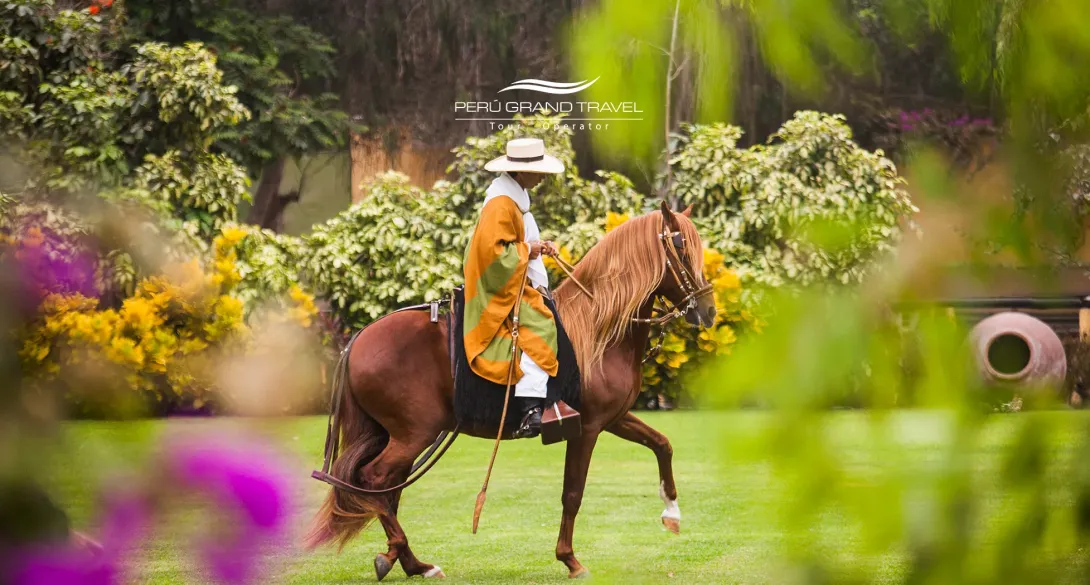
The Peruvian Paso Horse is known for an elegant, well-balanced look, with a proud head carriage, a strong body, and refined legs built for endurance and style. You’ll often see coats in solid, classic tones such as bay, chestnut, black, and gray, along with other common variations that look striking in photos and performances.
Temperament and personality
This breed is widely appreciated for its calm, willing temperament. Well-trained Peruvian Paso Horses tend to be steady, responsive, and confident, which makes them a great fit for cultural shows and for travelers who want a relaxed, controlled experience.
Comfort, posture, and movement
Comfort is part of the breed’s identity. The Peruvian Paso Horse is famous for its upright posture, smooth forward motion, and signature gait that minimizes bounce. In motion, it looks graceful and rhythmic, which is why watching one perform feels so distinctive and memorable, even if you’ve never been around horses before.
Peruvian Paso Horse in Peruvian Culture
The Peruvian Paso Horse is not only admired for how it moves, but also for what it represents. Deeply rooted in Peru’s coastal traditions, it appears in festivals, performances, and celebrations where horse and rider showcase heritage, pride, and the classic chalan style that keeps this culture alive.
Marinera and traditional festivals
The Peruvian Paso Horse is strongly linked to Peru’s coastal traditions, especially through the Marinera, a famous dance where horse and rider often become part of the celebration. In many festivals, you’ll see the horse performing with elegance and control, adding a unique cultural atmosphere that feels both proud and festive.
Chalanes, attire, and tack traditions
The riders, known as chalanes, are an essential part of the tradition. Their classic style includes formal attire that reflects coastal heritage, and tack that is chosen not just for function, but also for presentation. The whole scene, horse, rider, and details, is designed to showcase refinement, discipline, and cultural identity.
Why it’s an icon of national identity
The Peruvian Paso Horse is considered an icon because it represents more than horsemanship. It reflects history, craftsmanship, pride, and cultural continuity. Seeing one in action offers a real connection to Peru’s living traditions, making it a meaningful experience for visitors who want to understand the country beyond its landscapes and archaeological sites.
Where to See the Peruvian Paso Horse in Peru
Seeing the Peruvian Paso Horse in its cultural context is one of the most memorable experiences you can add to a Peru itinerary. Depending on where you travel, you can watch elegant performances, visit traditional haciendas, or experience the breed during festivals and regional celebrations.
Lima region shows and cultural experiences
The Lima region is one of the easiest places to experience the Peruvian Paso Horse, especially if you have limited time and want something close to the city. Many experiences here focus on heritage and presentation, making them great for first-time visitors.
- Haciendas near Lima with demonstrations and cultural programs
- Horse shows that highlight the smooth gait and traditional riding style
- Cultural events where Paso horses appear alongside music and local traditions
Northern Peru – Trujillo and Marinera culture
Northern Peru, especially around Trujillo, is strongly tied to coastal tradition and the Marinera scene. If you want to see the Peruvian Paso Horse as part of a broader cultural celebration, the north is a powerful place to do it.
- Strong connection to Marinera festivals and performances
- More chances to see the horse as part of regional heritage events
- Great for travelers who want culture, tradition, and local atmosphere
Ica and the south coast experiences
Along the south coast, experiences can combine the Peruvian Paso Horse with relaxed countryside settings and classic coastal landscapes. This can be a great add-on if your itinerary includes the region.
- Coastal experiences that feel scenic and relaxed
- Opportunities for short demonstrations and cultural moments
- A good match for travelers combining culture with coastal travel
Can you see them in Cusco or the Andes
Cusco and the Andes are not the main cultural home of the Peruvian Paso Horse, which is primarily linked to Peru’s coastal heritage. That said, you may still find occasional shows in major tourist hubs, but they’re usually less traditional than experiences on the coast.
- Possible occasional exhibitions in tourist areas
- For the most authentic cultural connection, the coast is best
If you tell me which cities are in your itinerary (Lima only, or Lima + Ica, or Lima + Trujillo), I can suggest the best way to fit a Peruvian Paso Horse experience into your route.
Best Peruvian Paso Horse Experiences for Travelers
One of the most complete experiences is a Paso horse show paired with a traditional Peruvian lunch. You get to watch the horse’s smooth gait up close, see the classic riding style, and enjoy local flavors in a cultural setting. It’s ideal if you want something memorable without needing a full-day itinerary.
Horse show and traditional lunch
One of the best options is a Peruvian Paso Horse show with a traditional Peruvian lunch. You’ll see the horse’s smooth gait up close, watch the classic riding style, and enjoy local food in a cultural setting. It’s a memorable experience that fits easily into a half day.
Short riding experience for beginners
If you want to ride, look for a short beginner-friendly experience focused on comfort and safety. The Peruvian Paso Horse is known for its smooth movement, which can make the ride feel more stable and enjoyable for first-timers. Choose experiences that include clear instructions, calm horses, and trained guides.
Photography-friendly experiences
For travelers who love photos and video, the best option is an experience designed around viewpoints, open spaces, and performance moments. The traditional attire, the horse’s posture, and the rhythm of the gait create stunning content, especially during late afternoon light.
Family-friendly options
Families usually enjoy experiences that are short, safe, and interactive, such as watching a show, meeting the horses, and taking photos in a relaxed environment. Look for places with comfortable seating, clear schedules, and space for kids to move around without feeling rushed.
When Is the Best Time to Go?
The best time to see the Peruvian Paso Horse depends on what kind of experience you want. Clear, sunny coastal weather makes outdoor shows and photos even better, while festival seasons bring more tradition, energy, and special events where the breed takes center stage.
Weather considerations on the Peruvian coast
Most Peruvian Paso Horse experiences happen on Peru’s coast, especially around Lima and northern cities like Trujillo. Coastal weather is generally mild, but the sky conditions matter a lot for photos and outdoor settings. For brighter skies and a more “summery” vibe, the easiest window is December to April. If you prefer cooler temperatures and a calmer pace, May to November can feel more comfortable, although Lima is often cloudier in those months.
Festival seasons and special events
If you want the most cultural, high-energy way to see the breed, plan around festivals and national competitions. A few key seasons stand out:
- January: Trujillo’s Marinera season often includes Peruvian Paso Horse exhibitions and competitions, making it a great time for tradition, music, and atmosphere.
- April: Lima commonly hosts major national Paso events, including the Concurso Nacional Oficial (often held in Mamacona / Lurín).
- Other months: Regional contests happen throughout the year in different parts of Peru, so you can still find events outside peak festival windows.
Month-by-month suggestion (flexible, dates vary each year):
- Dec–Mar: Best for clear skies and outdoor photos
- Jan: Strong festival vibe in Trujillo with Marinera culture
- Apr: Best month for national-level Paso competitions around Lima
- May–Nov: Cooler, less intense heat, great for relaxed shows and cultural visits
If you want, tell me your travel month and cities (Lima only, Lima & Trujillo, Lima and Ica) and I’ll recommend the best timing to match the experience you want.
Tips for Visitors
What to wear
- Comfortable clothes you can move in easily
- Closed-toe shoes, especially if you’ll be walking on dirt or stable areas
- A light jacket or layer if you’re visiting in cooler coastal months
- Sun protection for daytime shows, sunscreen, hat, and sunglasses
Safety and comfort
- Follow the guide’s instructions at all times and avoid sudden movements around the horses
- If you ride, choose a short, beginner-friendly option and ask about the route and duration
- Tell the staff if you have injuries or limitations so they can recommend the best experience
- Stay hydrated and take breaks, especially during warm afternoons
How to choose an ethical experience
- Look for operators that prioritize animal welfare and respectful handling
- Horses should look healthy, well-fed, and calm, not stressed or overworked
- Ask how often horses perform and how they are cared for between shows
- Choose experiences with trained staff and clear safety standards
- If weight limits apply for riding, responsible operators will communicate them kindly and clearly for the horse’s wellbeing
Peruvian Paso Horse vs. Other Gaited Horses
The Peruvian Paso Horse is similar to other gaited breeds because it has a naturally smooth, comfortable gait. It stands out because it moves with elegance, has a steady four-beat gait, and carries strong Peruvian tradition.
Like the Tennessee Walking Horse and the Paso Fino, the Peruvian Paso Horse is a smooth ride. What sets it apart is how relaxed it feels while still looking graceful and performance-like. Many gaited horses are smooth, but the Peruvian Paso Horse adds comfort, style, and tradition to the experience.
FAQs About the Peruvian Paso Horse
Is the Peruvian Paso horse good for beginners?
Yes, it can be a great option for beginners because the breed is known for a calm temperament and a naturally smooth ride. The key is choosing a reputable operator with well-trained horses and clear safety guidance.
Why is the Peruvian Paso horse gait so smooth?
Because it has a natural four-beat gait that reduces the up-and-down bouncing many people feel on other horses. The movement is steady and rhythmic, which makes it feel more comfortable for many riders and looks elegant in shows.
Where can I see a Peruvian Paso horse show in Lima?
Lima is one of the easiest places in Peru to see Peruvian Paso horses, often through cultural shows and hacienda-style experiences in and around the city. If you are staying in Miraflores or Barranco, many tours can arrange transport and schedules.
How long is a typical experience?
Most experiences last between 1 and 3 hours, depending on whether you choose a show only, a short riding option, or a show combined with a meal. Half-day options are also common if they include transport and a longer cultural program.
Is it possible to ride one safely if I have back issues?
Many people find the Peruvian Paso Horse more comfortable than other breeds because the gait is smooth. However, every person and situation is different. It’s best to check with a healthcare professional first, then choose a short, gentle ride and let the operator know your limitations so they can recommend the safest option.
Ready to discover them? Traveling is about discovering, learning, and creating unforgettable memories, and Peru is the perfect destination for all of that. Its landscapes, history, and culture make every experience unique, filled with moments that will change your life.
We invite you to explore our Peru packages. Your experience in Peru is just one step away. Contact us now and start living the unique adventure you’ve always dreamed of.
More information:
- Visit our English website: Peru Grand Travel
- Visit our Spanish website: Viajes Machu Picchu Tours
- Visit our Portuguese website: Machu Picchu Pacotes