

Did you know that visiting Machu Picchu is not the same for every traveler? Learn about the Machu Picchu circuit 1 option and all its routes here.
Choosing the right Machu Picchu ticket can shape your entire visit. Machu Picchu Circuit 1, officially called the Panoramic Circuit, is designed around the elevated viewpoints overlooking the Inca city. It is a strong choice if you want expansive photographs of the ruins and surrounding mountains, but it is not the same experience as walking through the main archaeological streets and temples.
Circuit 1 includes four distinct routes: 1-A (Machu Picchu Mountain), 1-B (Upper Terrace), 1-C (Intipunku Sun Gate), and 1-D (Inca Bridge). Not all require the same level of effort, and the last two open only during designated high-season periods. This guide explains the differences so you can reserve the route that actually fits your plans.
What is Machu Picchu Circuit 1?
Circuit 1 is the panoramic option in Machu Picchu's official three-circuit system. Visitors follow an assigned route in the upper sector, where terraces and viewpoints provide sweeping views across the archaeological site and the Urubamba Valley.
Its main appeal is the opportunity to appreciate the layout of Machu Picchu from above. However, Circuit 1 does not include a walk through the main urban sector of the citadel. If you want to explore its plazas and important stone buildings from within, compare it with Machu Picchu Circuit 2 before booking.
Machu Picchu Circuit 1 routes at a glance
| Route | Main experience | Physical effort | Availability |
|---|---|---|---|
| 1-A | Machu Picchu Mountain hike and panoramas | Strenuous | Official year-round route; check dates |
| 1-B | Upper Terrace viewpoints and photos | Lower effort, with uneven steps | Year-round |
| 1-C | Hike toward Intipunku (Sun Gate) | Moderate to demanding | Designated high season only |
| 1-D | Trail toward the Inca Bridge viewpoint | Moderate; narrow exposed sections | Designated high season only |
Route availability, entry slots, and permitted visit times can change. Check the official Machu Picchu circuit information and the ticket portal before finalizing your trip.
Route 1-A: Machu Picchu Mountain
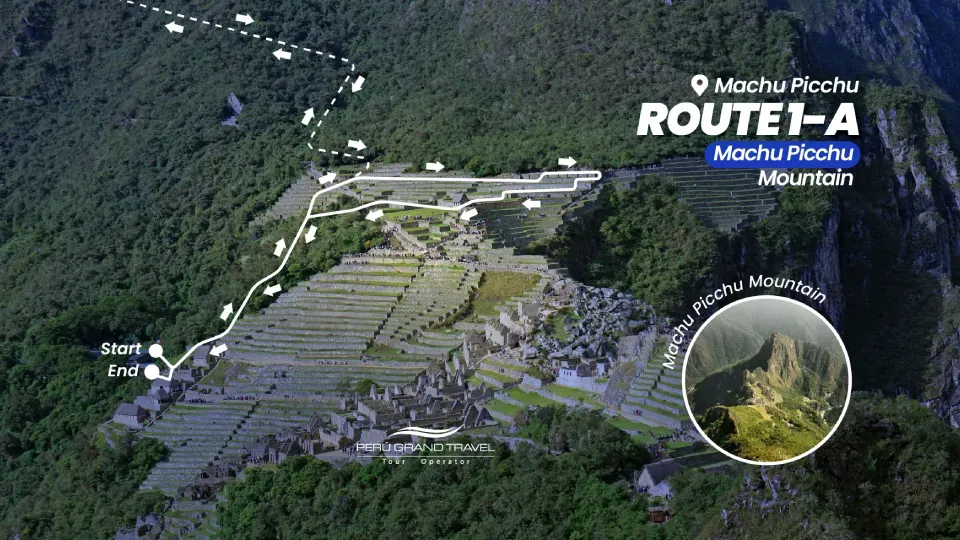
Route 1-A combines panoramic views with a serious uphill hike. The trail to Machu Picchu Mountain climbs above the archaeological site and rewards hikers with a much wider view of the surrounding cloud-forest landscape.
It is best for travelers who enjoy hiking, have enough time for the ascent and descent, and feel comfortable on steep stone steps. Although it belongs to the Panoramic Circuit, Route 1-A should not be described as an easy sightseeing walk. Prepare for changing weather and take the official time limit seriously.
Route 1-B: Upper Terrace
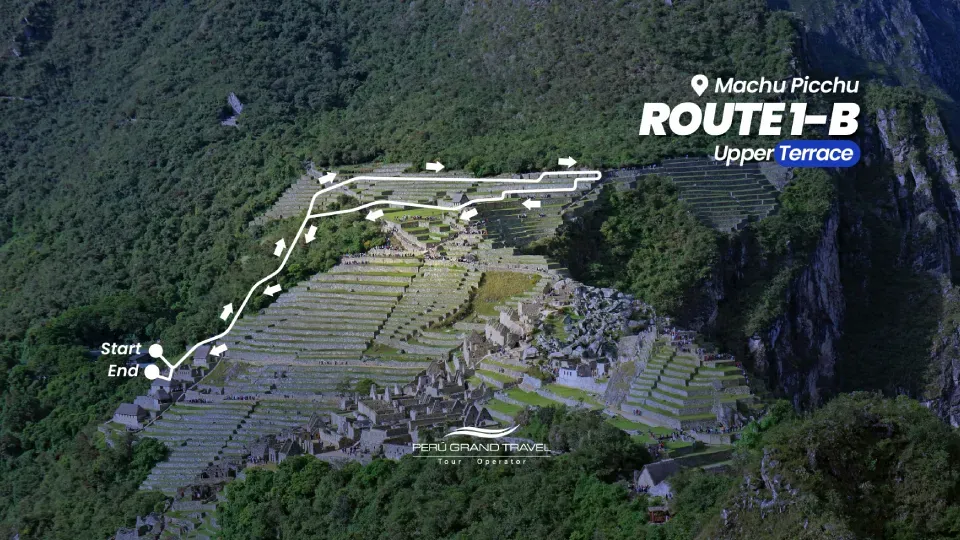
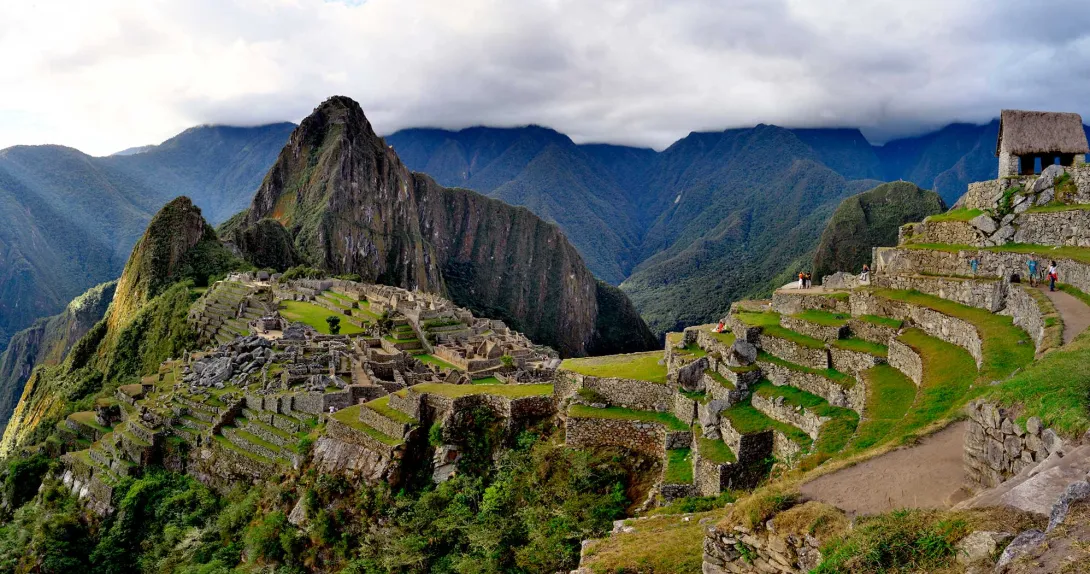
If your main goal is to see Machu Picchu from an elevated perspective and take the famous wide-angle photograph, Route 1-B is usually the most straightforward Circuit 1 choice. The upper terraces frame the ancient city with Huayna Picchu rising behind it.
This route involves much less hiking than Machu Picchu Mountain. Still, visitors must negotiate stone surfaces, slopes and steps. It is not automatically wheelchair accessible, and a panoramic ticket does not give access to every part of the citadel.
According to the official route map, the maximum permitted stay on Route 1-B is 2 hours and 30 minutes. That is a limit, not a guarantee that every visit will take the full amount of time.
Route 1-C: Intipunku (Sun Gate)
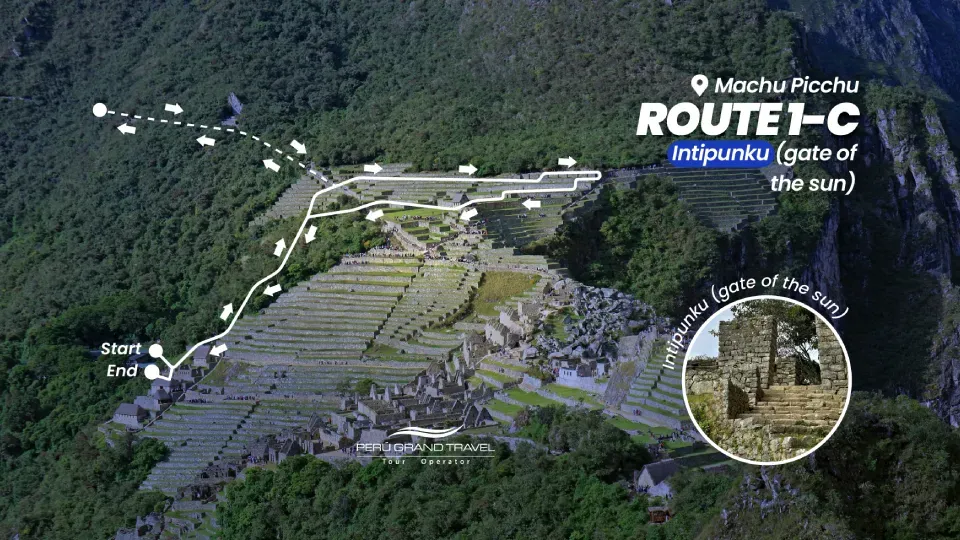
Intipunku, often translated as the Sun Gate, was an important approach to Machu Picchu along the historic Inca road network. From its elevated location, travelers can look back toward the archaeological site and understand the surrounding mountain setting from a different angle.
Route 1-C involves an additional walk and is available only during officially designated high-season periods. It is different from completing the multi-day Inca Trail, so check your selected ticket and route carefully. The hike can be tiring in strong sun or rain, even for visitors who are comfortable walking at altitude.
Route 1-D: Inca Bridge
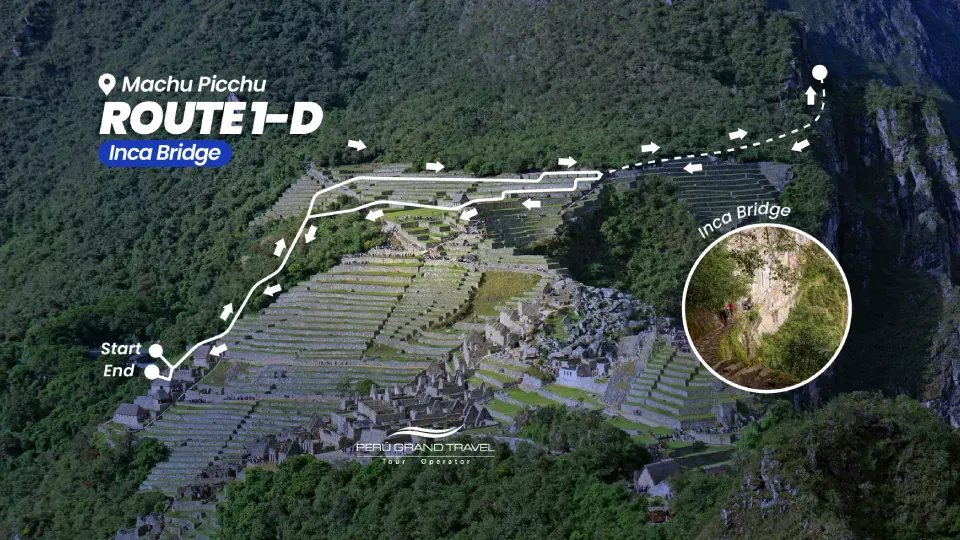
The Inca Bridge route follows a mountainside path toward a historical access point built into steep terrain. The route is valued for its engineering history and the dramatic landscape, rather than for entering the temples of the city.
This is another high-season route. Some stretches are narrow and exposed, so it may be uncomfortable for travelers with a strong fear of heights. Follow signs, barriers and staff instructions, and never attempt to access restricted sections.
Does Circuit 1 include the classic Machu Picchu photo?
Yes, Circuit 1 is designed around panoramic viewpoints, and Route 1-B is particularly well suited to the familiar postcard-style image. However, the exact viewpoint accessible to you depends on your ticketed route and the conditions on the day.
Clouds, changing light and crowds can affect photographs at any entry time. An early reservation can be appealing, but it does not guarantee clear views. Rather than choosing a ticket based on a promised “perfect hour,” focus on the route and a time that works with your train, bus and travel plans.
Circuit 1 vs. Circuit 2 vs. Circuit 3
| Circuit | Main focus | Best suited to |
|---|---|---|
| Circuit 1: Panoramic | Upper viewpoints and selected hikes | Scenic photos or an additional mountain walk |
| Circuit 2: Classic | Panoramic viewpoints and a route through the urban sector | First-time visitors interested in Inca architecture |
| Circuit 3: Royalty | Lower archaeological sector and selected hikes | Specific archaeological areas or Huayna Picchu |
If your priority is both the famous view and a closer exploration of the ancient buildings, read our Machu Picchu Circuit 2 guide. You can also compare Circuit 1 and Circuit 2 before selecting your ticket.
How long does Machu Picchu Circuit 1 take?
There is no single duration for Circuit 1. Route 1-B is a relatively short viewpoint visit, while 1-A includes a demanding mountain hike. Intipunku and Inca Bridge add walking time when open. The official route maps set maximum stays, which differ by ticket.
Allow additional time outside the archaeological site for the bus between Machu Picchu Pueblo (Aguas Calientes) and the entrance, security checks, and possible lines. Do not plan your return train based only on walking time inside the ruins.
How to buy Machu Picchu Circuit 1 tickets
- Choose the specific route you want: 1-A, 1-B, 1-C or 1-D.
- Check the date, official route availability and assigned entry time.
- Book through Tu Boleto, the Peruvian Ministry of Culture's official sales portal, or arrange your travel services with a qualified operator.
- Check that the name and identification details on your booking match the document you will carry.
- Coordinate the train and shuttle bus with your entry time, allowing realistic connection time.
Do not assume that a Machu Picchu Mountain ticket also includes Huayna Picchu or the full Classic Circuit. Each ticket corresponds to a specific route. Visiting another circuit generally requires another separately booked entry ticket and suitable entry time, subject to current rules and availability.
What to bring for Circuit 1
- Your ticket and matching passport or accepted identification document.
- Comfortable shoes with grip for wet and uneven stone paths.
- A compact waterproof jacket or rain poncho.
- Sun protection, including sunscreen and a hat.
- A small permitted daypack and drinking water, following current site rules.
- A fully charged phone or camera for panoramic photographs.
Food consumption, large bags, tripods, drones and various other items are restricted within the archaeological site. Check official visitor regulations in advance. For more clothing advice, see our guide on what to wear to Machu Picchu.
Frequently asked questions about Machu Picchu Circuit 1
Is Circuit 1 worth it for a first visit?
Yes, if panoramic photographs and views are your priority. If you also want to walk through the main archaeological sector, compare Circuit 2 before booking.
Does Circuit 1 include the Temple of the Sun?
No. Circuit 1 focuses on upper terraces and selected hiking routes. You may see parts of the archaeological complex from above, but this is different from entering the urban sector.
Which Circuit 1 route is easiest?
Route 1-B generally requires the least physical effort of the four. Even so, it has uneven surfaces and steps, so travelers with mobility concerns should assess the route carefully.
Are Intipunku and Inca Bridge open all year?
No. Routes 1-C and 1-D are reserved for designated high-season periods. Verify their exact opening dates for your travel year on the official website.
Can I visit Huayna Picchu with a Circuit 1 ticket?
No. Huayna Picchu is part of a Circuit 3 route and requires the appropriate ticket. A Circuit 1 reservation cannot be used as a substitute.
Does Circuit 1 offer the iconic photo?
Yes, its elevated viewpoints are known for wide views of Machu Picchu, although the precise photo spot depends on the route and conditions.
Can I visit Circuit 1 and Circuit 2 on the same day?
It may be possible with separate valid tickets, compatible entry times and sufficient time for both visits. Do not assume that one ticket grants admission to both circuits.
Should I book Circuit 1 in advance?
Yes. Visitor numbers and route-specific entry slots are limited. Booking early is particularly important for popular travel dates and the seasonal routes.
Plan a Machu Picchu visit that fits your interests
Circuit 1 can be the right choice for an iconic mountain panorama, a quieter viewpoint experience, or a more ambitious hike. The most important decision is not simply choosing “Circuit 1,” but selecting the route that matches what you want to see and how much walking you want to do.
If you are organizing a visit from Cusco, explore our Machu Picchu Full Day Tour or Spectacular Cusco 7 Days. Ask our team which official route can be arranged for your dates before booking: the included circuit and activities must be confirmed according to ticket availability.