

Walk through tropical gardens, see stunning butterflies, and learn how locals protect biodiversity at the Machu Picchu Butterfly Sanctuary.
In the beautiful high jungle of Peru, near Aguas Calientes, is the Machu Picchu Butterfly Sanctuary. This place focuses on conserving and studying local butterflies. Here, you will learn about its location and how to get there. You will also find out about the activities you can do. You can discover the species you might see during your visit. Plus, you will get practical tips to enjoy your experience.
What Is the Machu Picchu Butterfly Sanctuary?
The Machu Picchu Butterfly Sanctuary is a center for ecology and education. It focuses on protecting, breeding, and studying butterflies in the Historic Sanctuary area. Its main goal is to preserve the native species of the high jungle and raise awareness among visitors about the importance of these insects in maintaining the ecosystem’s balance.
The sanctuary was founded in 2006 by local biologists and conservationists from Aguas Calientes. It was led by researcher César Cruz and a team of volunteers. They are dedicated to protecting the region’s wildlife. Since then, it has turned into a community project.
This project helps with butterfly breeding. It teaches about the environment. It also protects the biodiversity of Machu Picchu’s high jungle.
Location and How to Get to the Machu Picchu Butterfly Sanctuary
Getting to the Machu Picchu Butterfly Sanctuary is quite simple and at the same time an enjoyable experience. The walk begins in the center of Aguas Calientes, along narrow streets filled with small shops and cafés, and gradually leads you toward a quieter area.
You follow the road that heads to Puente Ruinas, walking alongside the Vilcanota River, whose sound accompanies you throughout the way. As you continue, the houses fade into the distance and the landscape fills with trees, orchids, and birds moving through the vegetation. The air becomes cooler, and in some stretches a light mist settles over the mountains.
After about 15 to 20 minutes of walking, you’ll see the sign for the sanctuary surrounded by plants and flowers. It’s a short, easy walk that lets you experience another side of Machu Picchu — more natural, peaceful, and close to the jungle.
Experience at the Butterfly Sanctuary
Visiting the Machu Picchu Butterfly Sanctuary is a peaceful experience that brings you closer to nature. As you enter, you’re greeted by the sounds of the forest and the gentle fluttering of butterflies moving among the plants.
The walk takes you along dirt paths surrounded by green plants. Here, you can see the stages of a butterfly’s life cycle. You will find eggs, caterpillars, chrysalises, and fully grown butterflies.
In each section, local guides explain how butterflies reproduce. They also share which species live in the area and what conservation efforts are happening. There are also enclosed areas where you can see brightly colored butterflies feeding on flower nectar or resting on leaves.
Visiting this place allows you to learn about the biodiversity of Machu Picchu in a simple and authentic way, while observing up close one of the most delicate and fascinating processes in nature.
What to See and Do at the Machu Picchu Butterfly Sanctuary
Throughout the tour at the Machu Picchu Butterfly Sanctuary, you can explore areas that display the different stages of a butterfly’s life cycle and learn how each process develops. You’ll also walk through gardens where butterflies fly freely among native flowers, feeding on nectar or resting on leaves.
The sanctuary also features informative panels and local guides who explain the conservation work being done and the ecological importance of these insects. If you enjoy photography, this place offers the chance to capture unique images thanks to the natural light, the surrounding colors, and the peaceful atmosphere. It’s an ideal space to observe, learn, and enjoy nature at a calm and relaxed pace.
Butterfly Species That Inhabit Machu Picchu
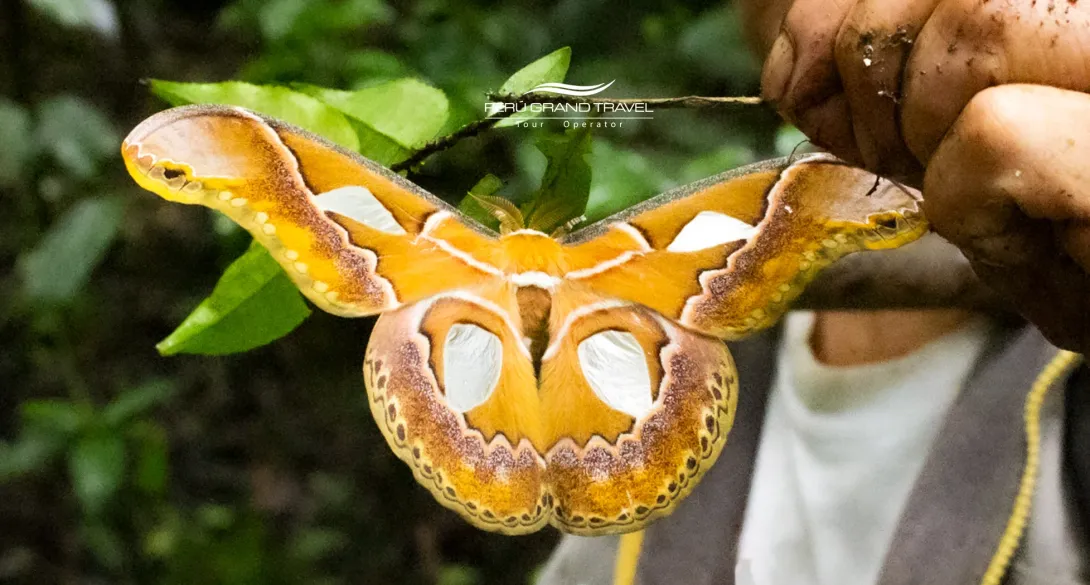
At the Machu Picchu Butterfly Sanctuary, over 100 butterfly species have been found. Many of these species are unique to Peru’s high jungle.
Their diversity comes from the region’s warm and humid climate. This climate is perfect for their growth. Some of the most notable species are from the Morpho genus. They have bright metallic blue wings.
Catasticta species show black and white colors. Pieridae butterflies have yellow and orange shades. Satyridae butterflies are brown with soft colors. These colors help them blend in with plants.
Ecological and Cultural Importance
Butterflies play a fundamental ecological role in the environment of Machu Picchu. They help pollinate wild and farmed plants. This supports the balance of the ecosystem and helps plants grow back.
They also act as biological indicators. The presence or absence of certain species shows the health of the environment. This helps us understand the impact of climate and human activity in the area.
From a cultural perspective, butterflies have held a special place in Andean cosmovision. In the Inca Empire, they symbolized change and new beginnings. They were linked to the natural cycle of life.
Today, the Machu Picchu Butterfly Sanctuary keeps that connection alive, combining scientific knowledge with local tradition. Through its educational work, it promotes a message of respect for nature and the preservation of biodiversity, which forms part of Peru’s natural and cultural heritage.
Opening Hours, Entrance Fees, and Visiting Tips
The Machu Picchu Butterfly Sanctuary is open every day from 8:00 a.m. to 5:30 p.m., allowing visitors to stop by either before or after touring the Historic Sanctuary. The entrance fee is about 10 USD per person. You can buy tickets at the gate without needing a reservation.
The best time to visit is in the morning, when butterflies are most active and the natural light highlights their vibrant colors. The visit typically lasts between 30 and 45 minutes, depending on each visitor’s pace.
Best Time of the Year to Visit the Machu Picchu Butterfly Sanctuary
The best time to visit the Machu Picchu Butterfly Sanctuary depends on the type of experience you’re looking for. From April to October, the weather is stable during the dry season. The paths are in good shape, making it easy to walk from Aguas Calientes. You can enjoy the gardens in natural light, which is great for photography.
However, between November and March, during the rainy season, the surroundings become greener and more humid, and many butterfly species are more active due to the abundance of flowers. Although there may be light showers, the atmosphere is calm and there are fewer visitors, offering a more intimate and peaceful connection with nature.
In short, the sanctuary can be visited year-round, but if you prefer good weather and comfort, choose the dry season; if you’re looking for a more natural and lively environment, the rainy season will let you experience the sanctuary at its most vibrant.
Sustainable Tourism and Conservation
The Machu Picchu Butterfly Sanctuary is a true example of sustainable tourism in action. Its work combines environmental education, research, and community participation to protect the native species of the high jungle. The project is managed by local residents who focus on the breeding, release, and monitoring of butterflies, as well as offering educational talks to visitors about the importance of preserving the ecosystems of the Historic Sanctuary.
Each visit directly contributes to biodiversity conservation, as ticket sales help fund species care and reforestation programs. This space aims to raise awareness about the balance between tourism and nature, showing that it is possible to visit Machu Picchu responsibly, while supporting local communities and preserving the natural environment for future generations.
Tips for Your Visit to the Machu Picchu Butterfly Sanctuary
Before visiting the Machu Picchu Butterfly Sanctuary, it’s important to be prepared for a comfortable and enjoyable trip. Wear light and comfortable clothes.
Choose neutral colors to avoid disturbing the butterflies. Also, bring insect repellent, sunscreen, and a hat. The tour is done entirely on foot, so it’s best to wear comfortable, non-slip shoes.
Avoid touching the butterflies or getting too close, as they are delicate species, and keep quiet to avoid disturbing their natural environment. If you want to take photos, do so without flash, taking advantage of the natural light. It’s also recommended to visit in the morning, when butterflies are most active and the lighting is ideal.
Finally, remember that the sanctuary is a conservation space, where every action matters. Respect the paths, don’t leave any waste behind, and enjoy your visit with a responsible attitude, appreciating the beauty and balance of Machu Picchu’s natural environment.
Frequently Asked Questions (FAQ)
Where is the Machu Picchu Butterfly Sanctuary located?
It is located in the town of Aguas Calientes, about 1.3 kilometers from the center, on the road to Puente Ruinas. Access is easy — you can walk there in 15 to 20 minutes from the main square, following the Vilcanota River.
How much is the entrance fee?
The entrance fee is approximately 10 soles per person, and tickets can be purchased directly at the gate. There’s no need to book in advance.
How long does it take to visit?
The full visit lasts between 30 and 45 minutes, depending on your interest. It’s a perfect activity to complement your visit to Machu Picchu or to enjoy before taking the train back.
Can I visit with children?
Yes, it’s a safe and educational space, ideal for children. Kids can observe the butterflies, learn about their life cycle, and enjoy a calm natural environment.
What species can be seen?
The sanctuary is home to over 100 recorded species, including blue Morpho, yellow Pieridae, brown Satyridae, and black-and-white Catasticta — all native to Peru’s high jungle.
Is it worth visiting if it rains?
Yes. Although there may be light rain, the sanctuary has covered areas that allow you to continue the tour. In fact, during the rainy season, many butterflies are more active, making the experience even more interesting.
Ready to discover them? Traveling is about discovering, learning, and creating unforgettable memories, and Peru is the perfect destination for all of that. Its landscapes, history, and culture make every experience unique, filled with moments that will change your life.
We invite you to explore our Peru packages. Your experience in Peru is just one step away. Contact us now and start living the unique adventure you’ve always dreamed of.
More information:
- Visit our English website: Peru Grand Travel
- Visit our Spanish website: Viajes Machu Picchu Tours
- Visit our Portuguese website: Machu Picchu Pacotes