

Discover the foundation of Trujillo Peru. From Francisco Pizarro to pirate attacks. Explore the history, safety, and why this city is crucial to Peru’s independence.
Trujillo, Peru, is a place where history is written in layers. Beneath the Spanish tiles lies the dust of the Chimú empire. Behind the republican windows lies the spirit of the first city to declare independence. And in the breeze coming from Huanchaco, you can almost hear the whispers of pirates who once threatened these shores.
To understand the things to do in Trujillo today, you must first understand how it began. Why did the Spanish choose this desert valley? How did it survive centuries of attacks? And why is it known today as the Capital of Culture?
Let’s talk about the foundation of Trujillo and how it happened.
As your host at Peru Grand Travel, I invite you to join me in exploring the centuries. We will explore the origins, the conflicts, and the resilience of this fascinating city. Let’s turn the pages of history together.
What is the history of Trujillo, Peru? | The Origins
The story of the foundation of Trujillo begins long before the first stone was laid by a European hand. This valley was the heart of the Moche and Chimú civilizations, powerful empires that tamed the desert.
However, the colonial chapter began in 1534.
- The Founder: Diego de Almagro established the first settlement in late 1534, calling it “Villa de Trujillo” in honor of Francisco Pizarro’s birthplace in Extremadura, Spain.
- The Official Date: It was Francisco Pizarro himself who formalized the foundation of Trujillo on March 5, 1535, installing the first Cabildo (city council).
Why is Trujillo, Peru, important?
It wasn’t just a dot on the map. Trujillo was designed to be the strategic link between the capital, Lima, and the northern territories (now Ecuador and Colombia). It became a hub of agriculture, aristocracy, and later, revolution.
Understanding this context adds depth to your visit. When you walk through the historic center, you aren’t just seeing buildings; you are seeing the ambition of an empire.
DID YOU KNOW?
A City of Firsts: Trujillo was the first major Peruvian city to declare independence from Spain on December 29, 1820. This brave act earned it the title “City of Merit to the Fatherland.”
How many times was Trujillo destroyed? | Pirates and Resilience
The wealth of colonial Trujillo—sugar, cereals, and silver—attracted unwanted attention. The history of the city is also a history of defense.
What continually attacked Trujillo?
In the 17th century, the Pacific coast was terrorized by pirates and privateers.
- The Attackers: English and Dutch corsairs saw the prosperous city as a prime target.
- The Defense: In response to the constant threat of being “destroyed by pirates,” the city built the famous Wall of Trujillo in the late 1600s. It was an elliptical fortification designed by Italian architect Joseph Formento.
What did the Spanish do to protect Trujillo?
The wall was a massive undertaking, encircling the entire urban center. Today, remnants of this wall still stand, marking the boundary of the Historic Center. Walking along the Avenida España, which follows the path of the old wall, is a journey through the city’s defensive past.
IMPORTANT FACT
The Wall Today: While much of the wall was demolished to allow the city to grow, sections like the Baluarte Herrera remain preserved. Visiting these ruins is one of the essential things to do in Trujillo for history buffs.
Is Trujillo, Peru, worth visiting? | The Verdict
After learning about its turbulent and glorious past, the question remains: Should you go?
Absolutely.
Trujillo offers a unique blend that you won’t find in Cusco or Lima.
- Archaeology: It is the gateway to Chan Chan (the largest adobe city in the Americas) and the Moche Huacas.
- Culture: It is the capital of the Marinera dance and the Peruvian Paso Horse.
- Nature: The beaches of Huanchaco offer surfing and history with the “Caballitos de Totora.”
If you are looking for things to do in Trujillo, you will find a destination that satisfies the intellect, the palate, and the spirit of adventure.
For a deeper dive into the specific attractions, I invite you to read our pillar guide on Things to Do in Trujillo 2026.
What ethnicity is the last name Trujillo?
This is a common question from travelers who recognize the name.
- Origin: The name “Trujillo” is of Spanish origin. It comes from the town of Trujillo in Extremadura, Spain—the birthplace of Francisco Pizarro.
- Meaning: It derives from the Latin Turgalium.
- In Peru, Many families in the region carry this surname, a legacy of the colonial ties. However, the city itself is a melting pot of indigenous Moche descent, Spanish heritage, and later immigration.
The Dual Celebration: Foundation vs. Independence
While historical records mark the Spanish foundation of Trujillo on March 5, 1535, the city’s heart truly beats for a different date: December 29th.
Why? Because on this day in 1820, Trujillo declared its independence from Spain, long before Lima. This brave act freed the entire north of Peru and earned the city its most cherished title: “City of Merit to the Fatherland.”
Therefore, the “Anniversary of Trujillo” is a celebration of liberty as much as origin. If you visit in late December or early March, here is how the city honors its legacy:
The Civic and Military Parade
This is not just a march; it is a display of identity.
- The Setting: Held in the majestic Plaza de Armas, surrounded by colonial icons like the Cathedral and the Palacio Iturregui.
- The Participants: Authorities, universities, and schools march with a precision that reflects their great pride. It is a moment where the past greets the future.
A Gastronomic Feast
No celebration in Trujillo is complete without a table full of food. The anniversary transforms the city into an open-air banquet.
- The Stars: You must try the Shambar, a rich soup of wheat, beans, and pork skin that tastes of ancestral tradition (traditionally eaten on Mondays). Also, the Seco de Cabrito con Frijoles (stewed kid goat with beans), tender and intensely flavorful. These fairs are the perfect place for a traveler to taste the authentic “Sazón Norteña.”
Artistic and Cultural Renaissance
The streets become galleries.
- The Arts: Exhibitions of painting and sculpture fill the colonial courtyards, reflecting the city’s intellectual history.
- The Music: Open-air concerts bring the night to life, mixing national stars with local folklore. It is a time when the city’s bohemian spirit shines brightest.
The Marinera: The Soul of the Party
Even outside its festival month (January), the Marinera Norteña occupies a privileged throne during the anniversary.
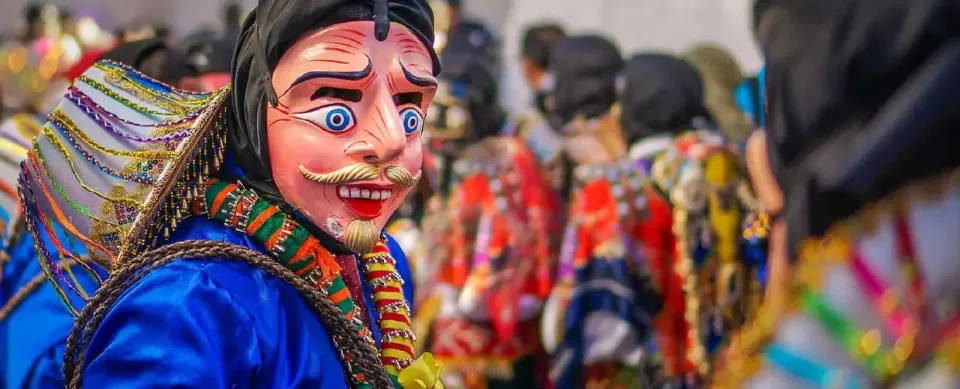
- The Spectacle: Impromptu performances and competitions erupt in the plazas. Couples of all ages flirt and stomp in this dance of passion and elegance. The waving of white handkerchiefs and the swirl of skirts create a visual emotion that defines Trujillo.
An Open Door for Travelers
The anniversary is, above all, an invitation.
- The Opportunity: It is the perfect time to visit. Hotels offer special welcomes, and the energy of the city is at its peak. Whether you are exploring the archaeological sites of Chan Chan or relaxing on the beaches of Huanchaco watching the reed boats, the festive atmosphere enhances every experience.
At Peru Grand Travel, we can align your itinerary to ensure you have a front-row seat to these celebrations, blending the historical pomp with the joy of the fiesta.
Why is Trujillo, Peru, important? | Beyond History
The importance of Trujillo goes beyond its foundation date. It is a cultural powerhouse.
Is Trujillo another important Peruvian city?
Yes, it is often considered the “Capital of Culture” of Peru.
- Literature: It was home to César Vallejo, one of the greatest poets of the 20th century.
- Dance: It hosts the National Marinera Festival every January, drawing thousands of visitors.
- Economy: It is a vital agricultural hub, producing asparagus, blueberries, and sugar cane for the world.
When you visit, you are visiting a city that drives the nation forward while honoring its past.
ADVICE GRAND
Experience the Culture: Don’t just visit the ruins. Try to catch a Marinera performance or visit a hacienda to see the Peruvian Paso Horse. These living traditions are what make Trujillo unique. Read more about the Marinera Festival here.
Frequently Asked Questions | FAQ
What is Trujillo, Peru, famous for?
Trujillo is famous for its colonial architecture, the ancient ruins of Chan Chan and the Huacas del Sol y la Luna, the beach town of Huanchaco, and the Marinera dance.
Is Trujillo a Hispanic last name?
Yes, it is of Spanish origin, referring to the town of Trujillo in Extremadura, Spain.
Where is Trujillo located in the world?
It is located on the northwestern coast of Peru, South America, bordering the Pacific Ocean.
How many times was Trujillo destroyed?
While it faced threats from pirates and earthquakes (notably in 1619 and 1759), the city was never completely “destroyed” by enemies, thanks in part to its defensive wall. It has rebuilt itself many times.
What does Trujillo mean in Spanish?
The name derives from the Latin Turgalium, the Roman name for the original Spanish town. It doesn’t have a specific meaning in modern Spanish beyond the place name.
Is Trujillo safe for tourists right now?
Yes, the tourist areas remain safe. Standard travel precautions apply. Booking with a reputable agency like Peru Grand Travel ensures a secure experience.
A City Built on Sand and Resilience
My friend, the foundation of Trujillo, was just the beginning. This city has survived wars, pirates, and time itself to become the vibrant, proud metropolis it is today.
When you walk its streets, you are walking in the footsteps of emperors, conquistadors, and liberators.
At Peru Grand Travel, we are ready to show you the layers of this fascinating city. From the colonial mansions to the ancient temples, we have the keys to unlock the best things to do in Trujillo.
Are you ready to explore the City of Eternal Spring?
Contact us today, and let’s plan your journey to the north.
For a broader look at all the festivities and culture, don’t forget to visit our guide on the 7 Most Famous Peruvian Festivals.
We invite you to explore our Peru packages. Your experience in Peru is just one step away. Contact us now and start living the unique adventure you’ve always dreamed of.
More information:
- Visit our English website: Peru Grand Travel
- Visit our Spanish website: Viajes Machu Picchu Tours
- Visit our Portuguese website: Machu Picchu Pacotes