

Cusco vs Sacred Valley first? Compare altitude, and acclimatization, to find the best place to acclimate before visiting Machu Picchu
Now, here comes the vital question: Cusco vs Sacred Valley? You have decided on a vacation in Peru this summer. A trip to Peru begins the moment the plane touches down in Lima and then in Cusco. After months of planning, dreaming of Machu Picchu, and scrolling through endless photographs of snowy peaks and ancient archaeological sites, you finally find yourself in the Andes Mountains. Your excitement is uncontrollable, and so too is the altitude. The high altitude is a very real aspect to contemplate. It just so happens that many of the destinations to visit in Peru are found at high elevation. Machu Picchu, the many trekking routes, Cusco, and the Sacred Valley.
One of the most common questions we are asked by travelers planning their trip to Peru is whether they should stay in Cusco or the Sacred Valley when they first arrive. This is an important question because the answer can have a surprisingly big impact on the first few days of your dream vacation.
Both of these amazing destinations are connected by Inca history, spectacular mountain scenery, and profound ancestral Andean traditions. One thing where they differ, however, is that they offer very different experiences when it comes to acclimatization to the high altitude. You could arrive in Cusco and feel completely fine. Others may notice the altitude almost immediately. This can range from a number of different symptoms. A simple walk uphill can leave you short of breath. Others may struggle to sleep, or even suffer from the familiar headache in the forehead that often goes hand in hand with high elevations.
The truth is that there is no simple answer when it comes to Cusco altitude sickness! Every single person reacts differently to altitude in Cusco. However, understanding the differences between acclimatizing in Cusco or the Sacred Valley can help you make a better decision and, most importantly, enjoy your time in Peru, feeling well, lively, and with few or no altitude symptoms.
Understanding High Altitude Travel Peru
Before we compare these two destinations in the Andes, it helps massively to understand why high altitude matters in the first instance. When you travel to higher elevations, this means that there is less oxygen available in the air. Your bodily functions are used to working in an environment with much more oxygen in most cases. This means your body needs more time to adapt to these new conditions on arrival at altitude. This is why so many travelers experience symptoms during their first day or two in the Andes. This whole way that the body adjusts to the intake of less oxygen is known as acclimatization.
The altitude in Cusco is approximately 3,399 meters (11,152 feet) above sea level. For those people arriving from Lima, North America, Europe, or many other destinations, this is a significant jump in elevation in a very short period of time. This is also why Cusco altitude sickness is a “real thing”.
The Sacred Valley altitude, by comparison, is considerably lower. Urubamba sits at around 2,871 meters, Ollantaytambo at approximately 2,792 meters, and Pisac just below 3,000 meters. Although these towns are still high, generally speaking, they provide a gentler introduction to the Andes. This is because there is less of a jump from sea-level to high altitude.
On paper, a difference of a few hundred meters may not seem that much. However, anyone who has spent years helping travelers navigate Peru knows that those few hundred meters can make a huge amount of difference. It is often enough to help visitors sleep better, feel less fatigued, and actually enjoy their first days in the Andes without constantly being reminded of high altitude travel Peru.
Why Many Travelers Begin in the Sacred Valley
Over the years, we have often found ourselves recommending the Sacred Valley as the first stop at high elevation. Especially for those travelers arriving directly from sea level, like Lima. The reason for this is simple. The best acclimatization tends to be best when it happens slowly and gradually, instead of landing in Cusco and immediately finding yourself at over 3,300 meters. If you begin your vacation at a slightly lower elevation and then head to the Sacred Valley, the jump in altitude is less abrupt. Your body still needs to adapt, of course, but symptoms tend to be less dramatic. There is also something inherently restorative about the Sacred Valley itself. While Cusco is energetic and bustling, the valley has a much quieter energy. Villages are surrounded by fields of corn and quinoa, mountains dominate the horizon, and life seems to move at a much slower pace. This is so much more conducive to acclimatization to high elevation. For travelers arriving after a long international flight, this slower introduction can be invaluable.
So we suggest that instead of spending the first afternoon walking around busy streets and steep inclines, you find in Cusco. The alternative option is to settle into your Sacred Valley surroundings, enjoy a leisurely meal overlooking the mountains, and simply absorb the magical energy and views that surround you.
Many people are surprised by how much there is to see and do in the Sacred Valley itself. It is often thought of as a place people pass through on the way to Machu Picchu. However, this does not do it justice. Some of South Peru´s most fascinating archaeological sites, traditional communities, and local markets are found in the Sacred Valley of the Incas.
For example, head out to visit the town of Pisac. Wander through Ollantaytambo’s incredibly preserved Inca streets. Marvel at the terraces of Moray or the salt flats of Maras. These types of activities allow travelers to begin to discover Peru immediately while still taking things at a slower pace, while they are acclimatizing all the time.
The Case for Staying in Cusco as the best place to acclimate in Peru
While staying in the Sacred Valley altitude is our recommended option for acclimatization, there are equally valid reasons to stay in Cusco at the beginning of your trip. For many people, there is something quite special about arriving in the Plaza de Armas for the first time. Surrounded by churches, arcades, and historic buildings, it remains the heart of the city. From there, narrow cobbled streets lead into neighbourhoods where Inca stone walls support colonial houses, and where cafés, restaurants and small shops occupy buildings that have stood for centuries. Cusco is a city best explored on foot, taking the time to wander beyond the main square and discover the layers of history that make it unlike anywhere else in Peru. For those who are travelling on a tight schedule with limited time, staying in Cusco can also be more practical. There is no need to have an extra transfer after landing. The museums, markets, and archaeological sites in the city are so much easier to access.
The challenge is simply that many visitors underestimate how demanding the altitude can feel. Cusco is built across a series of hills. Even short walks often involve steep climbs. The route up to San Blas may look manageable on a map, but for someone who has just arrived from sea level, it can feel unexpectedly strenuous.
Travelers who arrive in Cusco and spend their first day moving slowly, drinking plenty of water, and resisting the temptation to pack their schedule often acclimatize without major issues. Those who immediately attempt to do everything at once are far more likely to experience symptoms of Cusco altitude sickness.
The main challenge, however, is that many visitors underestimate how challenging the altitude can feel. Cusco altitude sickness is the real deal! Even short walks often involve steep climbs. The road up to San Blas may look manageable on a map, but for someone who has just arrived from sea level, it can feel like a marathon!
Those who arrive in Cusco and spend their first day walking slowly, drinking plenty of water, or coca tea, and resisting the temptation to pack their schedule usually acclimatize without any major issues. Those who immediately attempt to do too much and pack their days with activities are far more likely to experience symptoms of Cusco altitude sickness.
Climate and Comfort
What many people do not realize is that altitude influences so much more than breathing. It also affects the climate. Cusco tends to be chilly, particularly during the dry season months between May and September. Even when the days are sunny and pleasant, temperatures often drop sharply as soon as the sun goes down. These colder nights can make it more difficult to rest, especially during the first days when their bodies are already adapting to high altitude travel Peru.
The Sacred Valley is usually slightly warmer and has a more temperate climate. Days can often feel pleasantly warm, and evenings are usually less harsh than those experienced in Cusco. While climate alone should not determine which is the best place to stay, it most certainly contributes to your overall comfort. A good night´s sleep is one of the most important factors when it comes to good acclimatization, and many people simply find it easier to rest in the valley.
Cusco vs Sacred Valley: Which Option Is Better Before a Trek?
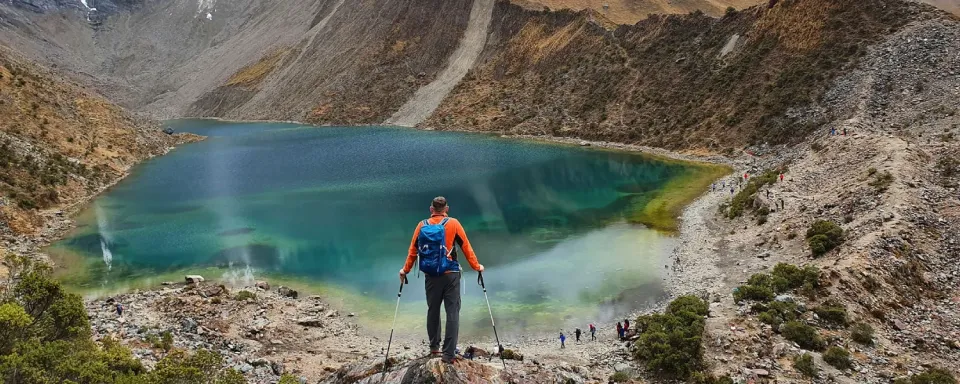
If you are planning a Peru tour that includes a high-altitude, multi-day trek, the Sacred Valley could actually be a better option. Certain trekking routes, such as the Salkantay Trek, Ausangate Trek, Lares Trek, and even a trek to the Rainbow Mountain, involve high altitudes that are way higher than either Cusco or the Sacred Valley. Some mountain passes, like the Salkantay trek or the Lares trek, reach over 4,500 metres. Others go beyond 5,000 metres elevation, like Rainbow Mountain, for example. Beginning your trek in the Sacred Valley actually allows your body to gradually adapt before heading out on a multi-day trek in the Andes.
Of course, no amount of preparation guarantees immunity from altitude-related symptoms. However, you will have more of a better chance to avoid Cusco altitude sickness if you ascend gradually. This is widely thought to be one of the most effective ways to manage high-altitude travel Peru hikes. For trekkers planning to spend several days in the mountains, those first few nights can make a real difference between good and not-so-good acclimatization!
What About Machu Picchu? Cusco Vs Sacred Valley?
One of the great misconceptions surrounding Machu Picchu is that it sits at an extremely high altitude. Machu Picchu does, in fact, lie at 2,430 meters above sea level. This is lower than both Cusco and the Sacred Valley. This means that travelers who choose to stay in the Sacred Valley first, or indeed Cusco, are both excellently positioned to visit the famous Inca citadel.
In fact, many experienced travelers now plan their itineraries around this approach. They spend several days in the Sacred Valley, visit Machu Picchu, and then stay in Cusco afterwards. This offers a much more gradual acclimatization process. It also allows visitors to fully appreciate the Sacred Valley and the hidden marvels that are found in the Sacred Valley, instead of simply rushing through the valley on the way to Machu Picchu.
Acclimatization Is Not an Exact Science!
One of the main reasons that high altitude continues to catch people out is that there is no simple formula for predicting who will be affected and who won’t. Certain factors, such as age, fitness level, genetics, and even previous travel experience, are not always reliable indicators of who will suffer and who will not. We have seen marathon runners struggle with Cusco altitude sickness, while less active travelers have adjusted without any difficulty. I have also seen people who were worried for months before their Peru trip, and experienced no symptoms whatsoever on arrival! This is why it makes so much sense to build flexibility into your Peru itinerary.
So if you are still trying to decide on Cusco vs Sacred Valley for the best place to acclimatize in Peru, you are now informed. Our top tip is to give yourself time and get plenty of rest those first few days. Plus, drink plenty of water. This is not a race to see as much as possible. The Andes and Machu Picchu will still be there a few days later!
So, Where Is the Best Place to Acclimate in Peru?
This comes down to your main reasons for travel. If your goal is purely acclimatization, the Sacred Valley generally has the advantage. The lower elevation, milder climate, relaxed atmosphere, and proximity to many of the region’s main highlights make it an excellent place to begin a Peru trip. For those people who are concerned about high altitude travel Peru, then this is the best place to acclimate in Peru before continuing to Cusco or embarking on a multi-day trek.
This does NOT, however, mean that Cusco is the wrong choice. Cusco is still one of Peru’s most fascinating destinations, and many travelers acclimatize there with no issues every year. If your time is limited or you have always dreamed of visiting Cusco’s history from the moment you arrive, there is no reason to avoid the imperial city.
If you prefer a gradual introduction to the Andes, the Sacred Valley is going to feel more comfortable. If you want immediate access to museums, restaurants, markets, and the history of the Inca Empire, Cusco may be worth the extra challenge to combat Cusco altitude sickness.
Whichever is your chosen option, understanding the realities of high altitude travel Peru and allowing your body time to adjust is key. This will help ensure that your first days in Peru are spent enjoying the experience rather than becoming a victim of Cusco altitude sickness!
FAQs About Cusco vs Sacred Valley
Is the Sacred Valley better than Cusco for acclimatization?
For a lot of travelers, yes. The lower elevation of the Sacred Valley gives you a more gradual adjustment to the altitude. Thus, reducing the probability of experiencing symptoms of altitude in Cusco during the first days of a trip.
What is the Altitude in Cusco?
The altitude in Cusco is 3,399 meters (11,152 feet) above sea level.
What is the Sacred Valley Altitude?
The Sacred Valley altitude varies depending on the town you are visiting in the Sacred Valley. Urubamba sits at around 2,871 meters, Ollantaytambo at approximately 2,792 meters, and Pisac just under 3,000 meters in elevation.
Can I visit Machu Picchu before Cusco?
Of course! Many travelers spend their first days in the Sacred Valley, visit Machu Picchu, and continue to Cusco after Machu Picchu. This is actually a more gradual way of acclimatizing to the altitude in Cusco.
How many days should I spend acclimatizing in Peru?
Most travelers benefit from allowing at least two or three days to acclimatize before undertaking strenuous hikes or visiting very high-altitude destinations such as Rainbow Mountain or Ausangate.
Does everyone experience Cusco altitude sickness?
Actually, no. Some people can have a minor headache, tiredness, interrupted sleep patterns, or shortness of breath. Others have very few symptoms. Everyone responds differently to altitude. This is not related to fitness, age, or where you are from. It is simply how well your body deals with a reduction in oxygen levels.
What is the best way of avoiding altitude sickness in Peru?
There is no guaranteed way of avoiding altitude sickness in Peru. However, gradual acclimatization, staying hydrated, resting, eating lightly, and avoiding excessive alcohol during the first days can all help avoid Cusco altitude sickness.
Is the Sacred Valley a good base before the Inca Trail?
Yes. Many travelers spend several days in the Sacred Valley before beginning the Inca Trail or other high-altitude treks in the Andes. This allows your body additional time to adjust and is a more gradual acclimatization. This makes it the best place to acclimate in Peru.
Is Cusco or the Sacred Valley better for families?
Families quite often appreciate the slower pace and slightly lower elevation of the Sacred Valley. This is especially the case when traveling with younger children.
What is the best place to acclimate in Peru before a trek?
For many hikers planning high-altitude trekking adventures, the Sacred Valley is considered one of the best places to acclimate in Peru. This is due to its lower elevation and relaxed environment, which are conducive to adjusting to the Sacred Valley altitude.
Contact us here if you have any questions about high-altitude travel Peru. We are happy to help!