

Cathedrals of Peru: explore historic plazas, sacred art, and living culture across Peru. A practical, walkable, authentic route.
Why are the Cathedrals of Peru important? If you want to discover Peru through its living history, main plazas, sacred art, and cultural identity, a cathedral route is one of the most complete (and exciting) ways to do it. In nearly every regional capital, the cathedral sits at the very heart of the city—right on the Plaza de Armas, alongside colonial buildings, traditional markets, and museums. That has a very practical advantage: visiting a cathedral usually puts you just steps away from the best things to see and do in the destination.
In this guide, you’ll find a department-by-department list, recommendations to plan your route, practical visiting tips (respect, hours, photos), and suggested itineraries by macro-region. At the end, you’ll also find FAQs and a simple proposal to organize your trip in a comfortable, safe, and well-connected way.
What Is a Cathedral and Why Is It Important?
A cathedral is the main church of a diocese or ecclesiastical jurisdiction. It stands out from other churches because it houses the cathedra—the bishop’s “chair”—a symbol of his pastoral and administrative authority. For that reason, a cathedral is not only a religious space, but also a historical, cultural, and urban landmark, often serving as the central anchor around which the city developed.
It’s important to note that not every large or monumental church is a cathedral. In Peru, there are basilicas, shrines, and historic temples of great artistic value that do not function as an episcopal seat. Understanding this distinction helps you appreciate each building type and its role within the Church and within the city itself.
The Difference Between a Cathedral, Basilica, Church, and Co-Cathedral
To better understand why they matter, here’s a clear and simple explanation:
- Cathedral
The main church of a diocese and the official seat of the bishop. From here, the diocese’s pastoral and administrative work is led. It’s usually located on the Plaza de Armas or in the city’s historic center. - Basilica
An honorary title granted by the Pope to churches recognized for their historical, spiritual, artistic importance, or for the devotion they inspire. A basilica can also be a cathedral—but not all basilicas are cathedrals. - Co-cathedral
A church that shares the cathedral role within the same diocese. This happens when an ecclesiastical jurisdiction has two major seats, usually for historical or geographic reasons. - Church / Temple
A general term for any building used for worship. It may be a parish church, chapel, shrine, or historic temple, without being the bishop’s official seat.
Why Take a Cathedral Route?
Because a cathedral isn’t just a beautiful building—it’s a snapshot of a city’s history and personality. In a single visit, you can understand how the historic center took shape, which cultural influences defined the region, and which traditions are still alive today.
- History (colonial, republican, and local)
Cathedrals have often witnessed the country’s biggest turning points: the founding of cities, earthquakes, rebuilding periods, reforms, and major civic or religious celebrations. Many preserve plaques, dates, relics, or architectural details that tell that story—almost like a museum you can walk through. - Art (altarpieces, paintings, carvings, altars, stained glass)
Inside a cathedral you’ll find remarkable works of art: hand-carved altarpieces, religious imagery, paintings from regional artistic schools, stained glass, and stone or wood details shaped by traditional techniques. Even if you’re not an “art person,” it’s hard not to be impressed by the craftsmanship. - Architecture (Andean Baroque, Neoclassical, Renaissance, and more)
Each region has its own signature. In southern Peru you can see unique blends like Andean Baroque; on the coast, more restrained colonial styles; and in several cities, reconstructions with Neoclassical touches. The cathedral often dominates the main square and helps define the city’s skyline and identity. - Everyday life (processions, festivals, Masses, sacred music)
Cathedrals aren’t just monuments to admire from the outside—they’re living spaces with a rhythm that changes by day and season. You might arrive on a quiet morning and find a simple Mass, neighbors entering in silence; or catch a choir rehearsal and hear how music fills the nave and transforms the entire atmosphere. On special dates, the city moves around the cathedral: processions crossing the square, bells marking the hour, flowers and candles at the doors, groups organizing a patron saint festival. That’s when it feels most human—tradition blending into daily life—families, musicians, vendors, students—like heritage isn’t “stored away,” but breathing right in the middle of the city. - Strategic location (almost always in the historic center)
This is probably the most practical reason to include cathedrals in your route: they’re usually right in the city’s heart, facing the Plaza de Armas or just a few steps away. That changes the whole experience, because you don’t need long transfers or constant transportation planning. You can do everything on foot, at your own pace, letting the historic center guide you: step into the cathedral, walk back out to the square, follow colonial streets, pause at a small museum, pass through the market to feel local life, and finish at a traditional restaurant. Everything stays close, connected, and effortless—without the day feeling heavy or complicated.
Cathedrals of Peru by Department
Below is a department-by-department list with the main cathedral (or a reference if the department doesn’t have one). Use it as a “map” to plan your content series or your travel route.
Fun fact: Pasco does not have an official cathedral seat in the department (you can treat it as a special case and recommend key churches as alternatives).
Best Time to Visit Cathedrals in Peru
The best time to visit cathedrals in Peru depends on your travel style: whether you prioritize clear skies and longer routes, or you prefer greener landscapes and more intense cultural experiences tied to local festivals. The good news is that cathedrals can be visited year-round, but the context—weather, crowds, and celebrations—changes quite a bit.
Dry Season (May to October)
It’s the best season if you’re looking for comfort and easy logistics, especially in highland destinations.
- Ideal for longer routes and walks: less rain means smoother transportation, better conditions for exploring historic centers on foot, and a more relaxed pace.
- Photography with clearer skies: the Andes typically get more sunshine and better visibility, perfect for capturing facades, towers, and main plazas.
- Easier to combine with other attractions: you can plan full days like “cathedral + museum + viewpoint + ruins” without the weather disrupting your plans.
Rainy Season (November to March)
It’s the perfect season if you enjoy a greener, more festive Peru—even with intermittent rain.
- More vibrant highland landscapes: valleys and mountains look greener and more alive, which also makes panoramic photos better (as long as you plan for rain).
- Ideal for traditional celebrations: many destinations host Carnivals and cultural festivals that fill the city with music, dance, and community events.
- Practical tip: bring a poncho or waterproof jacket and non-slip shoes, especially if you’ll be walking on cobblestone streets.
Special Dates to Experience Them at Their Best
If you want your visit to feel like more than tourism, these dates make cathedrals feel truly alive and exciting:
- Holy Week (Ayacucho): one of the most powerful religious celebrations in Peru; the cathedral and the historic center become the main stage.
- Corpus Christi (Cusco): processions and traditions that connect faith, culture, and Andean heritage in a one-of-a-kind atmosphere.
- Local patron saint festivals: they vary by city and patron saint. They’re perfect for “when to go” content because they blend history, culture, gastronomy, and live events.
Practical Tips for Visiting
Visiting cathedrals in Peru is both a cultural and spiritual experience. With a few simple tips, you can make the most of your visit, avoid unexpected issues, and experience it with respect.
Opening Hours and Access
In many cities, the cathedral is an active place of worship, so opening hours often change depending on Masses and special celebrations.
- Split schedules: it’s common for cathedrals to open in the morning, close around midday, and reopen in the afternoon. On special dates, they may pause services or change hours at the last minute.
- Tourist visit vs. ceremony: in some places you can explore freely outside of Mass; during ceremonies, access may be limited.
- Donation or entry fee: some cathedrals charge for specific areas or request a voluntary contribution (for example: a museum section, sacristy, choir loft, or special chapels). Bring cash just in case.
Dress Code and Cultural Respect
Even if it’s not a “strict” place, it is a space of worship, and being considerate is always appreciated.
- Light layer or shawl: helpful if you’re wearing very summery clothes, especially on the coast; in the Andes it also helps with the cold.
- No flash during ceremonies: avoid using flash or taking intrusive photos, especially during Mass or when people are praying.
- Behavior during Mass: keep your voice low, avoid walking in front of the altar, and respect any restricted or marked areas.
Photography Tips: How to Get Great Shots
Cathedrals are some of the best settings for urban photography in Peru—if you choose the right time and protect your gear.
- Best time outside: morning for softer light, and late afternoon for warm-toned facades (perfect for “golden hour”).
- Indoor photos: light is often low, so raise your ISO, stabilize your shot by leaning on a wall/column, or use Night Mode if your phone supports it.
- Portraits: if you want close-up photos of people (artisans, worshippers, musicians), ask permission with a smile and a friendly gesture.
Basic Safety in Historic Centers
Most historic centers are safe as long as you follow normal travel precautions.
- Keep valuables secure: your phone and wallet are best in a zipped inner pocket or a money belt under your clothes, especially in crowded main squares.
- Be careful with backpacks: in busy areas, avoid keeping items loose or in outer pockets; if possible, use a backpack with zippers facing your back, or wear a crossbody bag in front.
Suggested Routes by Macro-Regions
These routes are designed for real travelers: enough days to enjoy the trip, logical transfers, and a balanced mix of cathedrals + historic centers + local experiences. You can follow them exactly as they are or adjust them based on your available time.
Northern Route (7–10 days)
This route is perfect if you want a trip that combines cathedrals, historic centers, the coast, and great food—without making logistics complicated. Northern Peru has a warm, welcoming rhythm: walkable cities, amazing meals at every stop, and a powerful mix of colonial heritage and pre-Hispanic cultures.
Trujillo (La Libertad), Chiclayo (Lambayeque), Piura (Piura) & Tumbes (Tumbes)
Ideal if you want to blend cathedrals, historic cities, the coast, and gastronomy.
- Trujillo (2–3 days): Start in one of the north’s most elegant cities. Visit the Trujillo Cathedral and explore the historic center with its grand colonial houses and balconies. Then complete the experience with world-class archaeology: Huacas del Sol y la Luna or the adobe city of Chan Chan.
- Chiclayo (2–3 days): Here, the cathedral is part of the city’s everyday pulse. Stop by the Chiclayo Cathedral, wander through traditional markets, and set aside a full day for Moche culture: the Royal Tombs of Sipán Museum is essential to understanding northern Peru.
- Piura (1–2 days): Piura is best enjoyed at a slower pace. Visit the Piura Cathedral, stroll around downtown, and come hungry—ceviche, seco, tamales, and bold northern flavors make every lunch part of the trip.
- Tumbes (1–2 days): Finish with a more tropical feel. Visit the Tumbes Cathedral, then escape to the mangroves or beaches, depending on the weather and your travel style. It’s the perfect finale: culture in the morning, nature in the afternoon.
Best for: travelers who want warm weather, great food, easy-to-walk cities, and the ideal combination of history, archaeology, and the sea.
Central Route (6–9 days)
This route is ideal if you want a cultural trip without rushing and with easier logistics: fewer city changes, relatively short transfers, and well-connected destinations. It starts in the capital, climbs into Peru’s central highlands to feel the Andean pulse, and—if you’re up for it—extends to Huánuco for a more nature-focused finish.
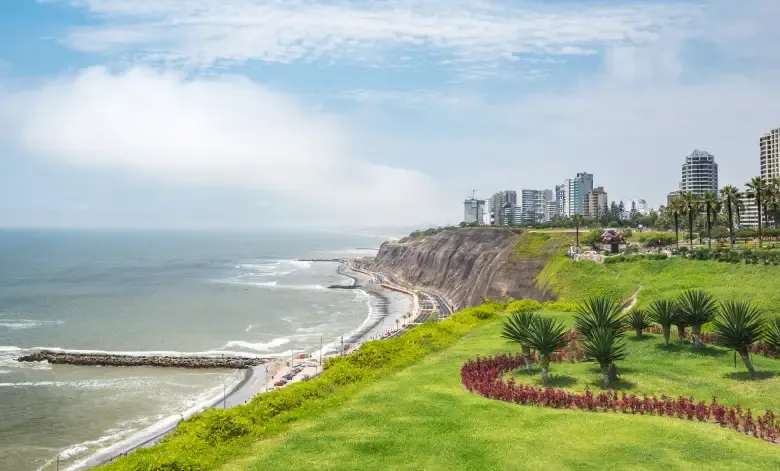
- Lima (2–3 days): Begin with the Cathedral of Lima and the Historic Center, where you can walk everywhere between plazas, balconies, and traditional streets. Add museums based on your interests (history, art, archaeology), then balance the trip with a change of scenery in Barranco or Miraflores for sunsets, cafés, and a more modern side of Lima.
- Huancayo (2–3 days): In the central Andes, visiting the Huancayo Cathedral pairs beautifully with the city’s everyday life—fairs, crafts, and markets full of local identity. It’s also a great base for short excursions: valley walks, viewpoints, and nearby towns that show a more traditional (but still accessible) Peru.
- Huánuco (1–3 days, optional extension): If you want to stretch the trip, Huánuco adds a nice contrast: the Huánuco Cathedral and historic center for the urban side, then nearby nature to slow down and reset. It’s flexible—you can spend one relaxed day or use it as a base to explore more.
Best for: travelers who prefer a calm, culture-focused route, with connected cities, gentle urban walks, and real time to enjoy the trip without constantly packing and moving.
Classic Southern Route (10–14 days)
This is the route many people dream about when they think of Peru: striking architecture, deep history, and living culture on every street. It also has a huge advantage—it’s flexible. You can do it in 10 days at a good pace, or stretch it to 14 days to include the Sacred Valley and Machu Picchu comfortably, without feeling rushed.
- Arequipa (2–3 days): Start in the “White City,” where sillar stone seems to paint everything with light. Visit the Arequipa Cathedral, explore the historic center, and give yourself time to wander its elegant plazas and streets. The perfect complement is the Santa Catalina Monastery, a place that feels like a city within a city—full of color, quiet corners, and photogenic passages.
- Cusco (4–6 days): Here the trip shifts in energy: Cusco isn’t just visited—Cusco is lived. Step into the Cusco Cathedral, explore historic neighborhoods like San Blas, and follow the city’s rhythm through stone streets, markets, and viewpoints. And if you want this route to feel truly complete, the recommended add-on is almost essential: the Sacred Valley (Pisac, Ollantaytambo, Maras/Moray) and, as the grand finale, Machu Picchu—with smart planning so it feels smooth and exciting, not stressful.
- Puno (2–3 days): The finale comes with a total landscape change. Visit the Puno Cathedral on the main square, then head to the true star: Lake Titicaca. Sailing to Uros and Taquile (or a similar route) connects you with highland life, local traditions, and that vast silence you only feel in front of the lake.
Best for: first-time visitors to Peru who want “the best of the south” in one trip—historic cities, authentic Andean culture, memorable landscapes, and the icons that make the journey feel complete.
Cultural Andean Route (8–12 days)
This route is for travelers who want to go beyond the typical highlights and discover a deeper, more traditional Peru with a strong local identity. The journey moves at a calmer pace—more conversations with people, more markets and streets where culture isn’t “staged for tourists,” but happens naturally. It’s a beautiful route for photography, crafts, and truly authentic experiences.
- Ayacucho (3–4 days): Ayacucho has a historic center that feels intimate and full of stories. Visiting the Ayacucho Cathedral is often the starting point for exploring churches, plazas, and colonial streets. Make time for local crafts (retablos, textiles, carvings) and, if your trip совпадет with key dates, the experience becomes even stronger: Holy Week is one of the most powerful religious celebrations in Peru, and Carnival shows the city at its most joyful and community-driven.
- Huancavelica (2–3 days): Huancavelica brings you into a different atmosphere: a highland Andean town with landscapes that feel wider and quieter. Visit the Huancavelica Cathedral, wander the town center without rushing, and enjoy a side of the Andes that doesn’t always appear on mainstream routes. Here, the trip is about walking, observing, breathing, and understanding how life is organized around the main square and its traditions.
- Abancay (1–3 days, optional extension): Abancay works as an ideal closing chapter if you want to extend the route. The Abancay Cathedral and the city help complete the cultural circuit, but the most memorable part is often the road itself: an Andean scenic route with altitude changes, valleys, viewpoints, and that feeling of crossing “real Peru”—towns, mountains, and everyday life.
Best for: travelers who love local culture, photography, tradition, and less-touristy routes—perfect if you enjoy traveling with curiosity and time to observe and connect.
Amazon Route (6–9 days)
This route is ideal if you’re looking for something different: a mix of cathedral + Amazon city + real nature, where the trip moves to the rhythm of the river, the rainforest, and everyday life in the Amazon. Here, cathedrals connect you to the urban center and its history, but the heart of the journey comes right after—riverwalks, markets, excursions, and protected reserves.
- Iquitos (3–4 days): Iquitos feels unique from the very first moment—an Amazonian city where the river sets the pace. Start with the Iquitos Cathedral, walk along the riverfront malecón at sunset, and take time for local markets and urban viewpoints. Then comes what many travelers dream of: an excursion into the rainforest or along the Amazon River, ideally with an overnight stay at a lodge to experience it fully (sunrises, jungle sounds, and river navigation).
- Pucallpa (2–3 days): Pucallpa offers a more everyday, cultural perspective. Visit the Pucallpa Cathedral, explore local life—markets, Amazonian food, crafts—and add nearby nature experiences such as lagoons or visits to communities (depending on availability and a responsible approach). It’s a perfect stretch to feel the Amazon from the inside, without everything being a “classic tour.”
- Puerto Maldonado (1–3 days, optional extension): If you want a strong finale, Puerto Maldonado is a powerful add-on. Visit the Puerto Maldonado Cathedral, then step into world-class biodiversity in an Amazon reserve like Tambopata or similar options. This is the best segment for nature-based activities: boat rides, walks, birdwatching, and wildlife spotting (depending on the season).
Best for: travelers who want a nature + culture focus beyond the classic coast/highlands route, and who enjoy rainforest, rivers, and authentic experiences—with solid logistics and planning.
FAQs – Cathedrals of Peru
How many cathedrals does Peru have by department?
It depends on the Church’s administrative organization and whether co-cathedrals are included; from a travel perspective, almost every department has at least one main reference point (with a few special cases).
What is the oldest cathedral?
The oldest cathedral in Peru is the Catedral de Lima. Construction began in 1535, shortly after the city was founded. Despite multiple reconstructions due to earthquakes, it remains the country’s oldest cathedral seat.
Is entry free?
Most do, but not always. For example, Pasco can be treated as a special case (alternatives: important churches and a complementary route).
On which days are there Masses?
In many places, yes—especially if you’re entering for a short visit or a moment of prayer. Some areas may require a donation or ticket (when there’s a museum section or an internal circuit).
Which cathedrals are must-sees for a first visit?
As a powerful “top three”: Lima + Arequipa + Cusco. And if you want a truly intense religious and cultural experience: Ayacucho.
Conclusion: Why This Route Is Worth It
Exploring Peru’s cathedrals isn’t just about “seeing pretty churches”—it’s about understanding how cities were shaped, how cultures blended, how art has been preserved, and how traditions are still lived today. It’s a flexible route (you can do it in sections), always connected to main plazas, museums, and local food—perfect for travelers who want an authentic Peru with real cultural depth.
If you want to turn this guide into a real trip, plan your Peru cathedral route with Peru Grand Travel: we’ll help you choose the right cities, optimize transfers, add cultural experiences (markets, museums, historic neighborhoods), and build a comfortable itinerary based on your time and travel style.
We invite you to explore our Peru packages. Your experience in Peru is just one step away. Contact us now and start living the unique adventure you’ve always dreamed of.
More information:
- Visit our English website: Peru Grand Travel
- Visit our Spanish website: Viajes Machu Picchu Tours
- Visit our Portuguese website: Machu Picchu Pacotes