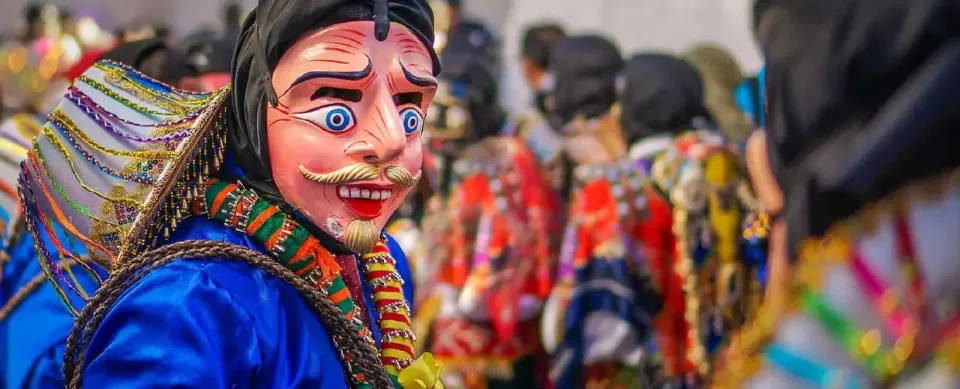


Carnival in Peru is one of the country's happiest celebrations. Music, parades, and dancing fill the streets. Each region adds its own unique style. You will
It usually happens from late January to early March. The biggest days are often in February or early March. The best places to experience it are Cajamarca, Ayacucho, and Puno. Expect great food, lots of energy, and big crowds on busy weekends. The best plan is to book flights and hotels early. Be ready for fun, and make sure to protect your phone and camera.
What is Carnival in Peru
Carnival in Peru is the kind of celebration you don’t just watch—you step into it. Streets and plazas become a lively stage. Music fills the air, and dancing draws you in.
Colorful parades and costumes add to the fun. This playful chaos makes everyone smile. What makes it unforgettable is that each region has its own rhythm and style. The Carnival you experience in one place will feel different in another.
You will see “corsos” moving by with energy and color. “Comparsas” will sing and dance as they go. Neighborhoods will celebrate together like one big family. In many towns, there is the “yunza” or “humisha.”
This is a decorated tree with music and laughter. People dance in a circle and take turns cutting the tree until it falls. This moment becomes a shared ritual. It’s festive, social, and deeply local… a real taste of Peru’s culture, lived out loud in the streets.
Traditions you’ll actually see
- “Comparsas”, bands, and nonstop dancing: groups move through streets and plazas with live music, costumes, and an energy that’s impossible not to catch.
- Water, talc, and streamers: get ready for water fights, talc powder in the air, and streamers all around. It’s fun, a bit chaotic, and part of the tradition.
- “Ño Carnavalón” or “Rey Momo”: in many cities, there’s a central character who “leads” the celebration and appears during key moments like parades and the symbolic closing or “burial” of Carnival.
- “Yunza” or “Humisha”: a tree is planted and decorated, often with gifts, fruit, and streamers. People dance around it, then take turns cutting it until it falls; whoever makes the final cut usually becomes next year’s host.
- Traditional outfits and local identity: you’ll often see regional clothing, costume contests, and strong local pride on display.
- Food and community fairs: many Carnivals are also lived through food, with local dishes, street stalls, and fairs that turn the day into a full cultural experience.
Why it’s different in each región?
Peru’s Carnival changes from region to region because culture, music, and customs change—and Carnival reflects local identity.
- The Andes “highland Carnival”: It often feels deeply folkloric, with traditional instruments, community singing, and strong local participation. In places like Ayacucho, the “comparsas” and music feel rooted in everyday life and Andean tradition.
- The Coast “city and coastal style”: You’ll still find parades and music, but the atmosphere can feel more like a “city festival,” centered around plazas, main streets, and organized events.
- Even within one region, it varies by town: Some places highlight “huainos” and “coplas,” others revolve around “yunzas,” and others build the celebration around big parades, characters, and competitions.
- The Amazon has a lively “tropical rhythm and humisha focus.” In places like Pucallpa, Carnival features “pandilla” style dancing. There is high energy on the streets. “Humishas” are decorated with fruit, gifts, and streamers. People enjoy playful water fun, and in some areas, they use paint and mud.
When is Carnival in Peru?
Carnival dates change every year because they follow the Catholic calendar. According to Andina, Carnival in Peru usually begins before Lent and wraps up on the Sunday after Ash Wednesday, which is why celebrations often run from late January into March, depending on the region.
For trip planning, think in two layers:
- Season window: late January to March, with dates varying by destination.
- Peak days: each place has its own “main weekend” with the biggest parades and “comparsas”, so if you want the headline moments, plan around that city’s core dates.
Carnival dates in Peru – ¿Why they change every year?
Carnival in Peru is celebrated before Lent, and Lent begins on Ash Wednesday. That’s why Carnival dates change every year: they follow the Catholic calendar, which also determines Easter. According to Andina, Carnival usually starts before Lent and finishes on the Sunday after Ash Wednesday, so celebrations often fall between late January and March, depending on the region.
If you’re planning for 2026, Ash Wednesday is on February 18, 2026. That means many of the biggest Carnival days will happen in the weeks leading up to that date, although some destinations may continue with local events after it.
Best time to travel for Carnival
When planning a Carnival trip, it helps to think in two simple options:
- Peak days: These are the most intense and exciting days—the city’s “main weekend,” often close to Ash Wednesday. This is when you’ll see the biggest parades and “comparsas,” the busiest plazas, and the most water, foam, and powder in the streets.
- Shoulder days: These are the easiest days to travel—just a few days before or after the peak. You still get the Carnival atmosphere and smaller events, but with better hotel availability, calmer streets, and smoother logistics. It’s the best choice if you want photos, romantic plans, and less chaos.
Practical tip: If you want both culture and comfort, arrive 2–3 days before the biggest day in your chosen city. You’ll have time to settle in, explore, and then enjoy the main celebration without feeling rushed.
Best places to celebrate Carnival in Peru
Peru celebrates Carnival in many different ways, so the “best” place depends on the vibe you want—big street party, deep folklore, highland dance culture, or a tropical Amazon twist. Here are the top destinations (including a few great alternatives) to help you choose the one that matches your travel style.
The big classic Carnival in Cajamarca
If you want to see Peru’s most iconic Carnival, Cajamarca is the place. During these days, the city becomes a giant street celebration with nonstop music, colorful costumes, and the legendary character “Ño Carnavalón,” also known as “Rey Momo,” who leads the party from start to finish.
What to do:
- Start with the “Bando de Carnaval,” the warm-up parade that announces the celebration and sets the tone.
- Don’t miss the “Entrada de Ño Carnavalón,” when the main character arrives and the city officially switches into Carnival mode.
- Watch or join the “patrullas” and “comparsas,” neighborhood groups that compete with dances, costumes, and traditional songs called “coplas.”
- Save a spot for the “Corso,” the big parade with floats and the loudest energy in the streets.
- And to close, experience the “velorio” and “entierro,” a funny, symbolic farewell where the city says goodbye to “Ño Carnavalón” in a playful “burial” tradition.
How many days
Plan 3 to 4 days. If you can only do a quick trip, stay at least 2 nights to catch the central events.
How to get there
You can fly (usually connecting through Lima) or travel by long-distance bus. Once you arrive, Cajamarca is easy to explore because the main action happens around the central areas.
Where to stay
Choose a hotel near the city center or Plaza area. On Carnival days, streets get busy and some areas close, so being able to walk back is a big advantage.
Tips
Expect street games with water, foam, and talc powder, especially near the busiest zones. Bring a light rain jacket, quick-dry clothes, and a waterproof pouch for your phone. If you want better hotel options, arrive 1–2 days before the biggest day.
folklore & comparsas in the Ayacucho Carnival
Ayacucho offers a deeply cultural Carnival, recognized as “Patrimonio Cultural de la Nación” since 2003. Here, tradition, music, and local identity are the heart of the celebration, and the city feels like it’s celebrating as one.
What to do
- Watch the arrival of “Ño Carnavalón,” often accompanied by floats, music, and a festive welcome.
- Don’t miss the grand “comparsas” parade through Huamanga’s historic center, where dance, costumes, and community participation take over the streets.
- Expect talc powder and “serpentinas” in plazas and main streets, creating that classic Carnival atmosphere.
- For the closing tradition, look for the “testamento” and the symbolic “quema de Ño Carnavalón” on Ash Wednesday.
How many days
Plan 3 days, perfect for a long weekend and enough to catch the main events without rushing.
How to get there
Fly, often connecting through Lima, or take a bus from Lima. Once you’re in the city, it’s easy to move around by foot and short taxi rides.
Where to stay
Choose the Historic Center of Huamanga for the best walkability and quick access to parades and key streets.
Tips
If you want the best atmosphere without feeling overwhelmed, travel during the days leading up to the main parade and keep one morning free for rest—Ayacucho is even better when you enjoy it at a slow pace.
Carnival Puno
Puno is perfect for couples and travelers who want a true Andean highland Carnival, where dance culture is the main event. During Carnival season, the city pulses with rhythm as groups perform “Pandilla Puneña,” “Tarkadas,” and “Pinquilladas,” creating a festive atmosphere that feels proudly local and deeply cultural.
What to do
- Watch the “Entrada de Ño Carnavalón,” when the Carnival character arrives with floats, music, and traditional dances.
- Make time for shows and competitions featuring “Tarkadas,” “Pinquilladas,” and the iconic “Pandilla Puneña.” Some events happen in major venues, while others pop up in plazas and public spaces, so the city feels alive all day.
- Balance the energy with a calm romantic moment at Lake Titicaca—sunset by the water is the perfect contrast after a lively afternoon.
How many days
Plan 3 to 4 days: enough for one main Carnival day plus at least one slower day around the lake.
How to get there
Fly to Juliaca and transfer to Puno, or travel by bus from Cusco or Arequipa if you prefer overland routes.
Where to stay
Stay in the city center if you want to be close to events and nightlife, or choose a lakeside stay if your priority is quiet mornings and a more romantic pace.
Tips
Nights in Puno can be cold, so pack layers. If crowds overwhelm you, choose one “main event day” and keep the rest of the trip slow—good food, lake views, and relaxed walks.
Cusco region culture & day trips
Cusco is the easiest base if you want to travel during Carnival season and still experience “iconic Peru” without centering your whole trip on one Carnival-only city. Here, you can enjoy the city’s atmosphere, add romantic viewpoints, and combine it with classic day trips through the Sacred Valley—so the trip feels balanced, not chaotic.
What to do (without overpromising schedules):
- Keep Cusco as your base and enjoy the simple pleasures: cozy cafés, cobblestone streets, scenic viewpoints, and cultural evenings with live music or a warm local dinner.
- Add easy day trips that always work:
- “Pisac” and “Ollantaytambo” for ruins, markets, and valley scenery
- “Maras” and “Moray” for salt pans and Andean landscapes
- A relaxed Sacred Valley scenic route with stops for photos and slow lunches
- If you happen to find a neighborhood celebration like a “yunza” style gathering, enjoy it respectfully. These local moments can change by district and by year, so it’s best to stay flexible.
How many days: Plan 4 to 6 days for a comfortable pace: enough time for Cusco + one or two Sacred Valley days without rushing.
How to get there: Fly into Cusco, usually with a connection through Lima, or travel overland from Puno or Arequipa if you’re doing a longer route.
Where to stay: Choose the Historic Center if you want a walkable base close to restaurants and sights. If you prefer quieter nights and a more romantic feel, stay in the Sacred Valley and visit Cusco by day.
Tips: In Cusco, the trip feels best when each day has just two anchors: one main experience plus one sunset or dinner plan—and plenty of free time in between.
Northern coast alternatives in Piura
If you want warm weather and playful Carnival energy, Catacaos near Piura is a great pick. The celebration is very local and interactive, famous for classic street games with water, talc, paint, and serpentines. It’s the kind of Carnival where you don’t just watch from the side—you’re part of the fun.
What to do:
- Join the street festivities and go with the flow. Expect to get wet and to laugh a lot.
- After the party, extend the trip up the north coast to “Máncora” or “Vichayito” for a slower beach reset: long walks, relaxed meals, and sunsets with no schedule.
How many days: Plan 2 to 3 days for Catacaos. If you add the beach, 4 to 5 days gives you the perfect mix of Carnival + rest.
How to get there: Fly to Piura, then a short road transfer to Catacaos.
Where to stay: Stay in Piura if you want easier logistics and comfort, or continue north and sleep by the sea if your goal is a more romantic, laid-back pace.
Tips: Pack quick-dry clothes, sandals or shoes you don’t mind getting messy, and protect your phone with a waterproof pouch. Catacaos Carnival is very “participation friendly,” so plan to be in the middle of the action.
Amazon option in Iquitos
If you want a Carnival that feels truly different, Iquitos is a once-in-a-lifetime option. The “Carnaval Amazónico de Iquitos” is recognized as “Patrimonio Cultural de la Nación,” and the celebration has a jungle-rooted identity built around community groups, music, and the “humisha” tradition.
What to do:
- Look for “humishas,” decorated trees filled with color, fruit, gifts, and streamers. People gather around them to dance, laugh, and celebrate together. Andina highlights that the main dance is called “pandilla,” and groups often move from one humisha to another, turning the city into a festive route.
- Pair the city celebration with a short Amazon add-on. A few nights in a jungle lodge gives you the perfect contrast: wildlife, nature sounds, and quiet mornings after the energy of Carnival.
How many days: Plan 4 to 5 days: about 2 days in the city for Carnival atmosphere, plus 2 to 3 days in a lodge to disconnect and enjoy the rainforest.
How to get there: Fly to Iquitos, usually with a connection through Lima.
Where to stay: Stay in the city center for easy access to celebrations, then switch to a jungle lodge for the calm, immersive part of the trip.
Tips: Heat and humidity are intense, so pack breathable clothing, strong insect repellent, and waterproof protection for your pone or camera. This is one destination where a dry bag and extra batteries really pay off.
What to expect during Carnival?
Carnival in Peru is festive, loud, and truly “in the streets.” You’ll see “comparsas” moving through plazas, live bands playing nonstop, dancing everywhere, and playful games woven into the celebration—so it’s smart to plan for a little mess and a lot of fun. If you come prepared, everything feels easier, smoother, and way more enjoyable.
Water & powder games in the Carnival in Peru
Yes—this is real. In many regions, Carnival includes playful street “games” with water, talc powder, foam spray, and “serpentinas.” In some places, you may even see paint. Cajamarca is especially known for it, and Cusco can also have water-and-foam moments during Carnival.
How to protect your phone/camera (and still enjoy it):
- Bring a waterproof phone pouch or a small dry bag. This is the number one lifesaver.
- Pack a portable charger and keep it sealed in a zip pouch. Powder and humidity can drain batteries faster than you expect.
- If you’re using a camera, add a rain cover, carry a microfiber cloth, and store extra cards and batteries in a sealed bag.
- Wear quick-dry clothes and shoes you don’t mind getting wet.
- Keep one clean outfit at the hotel for dinner or night plans.
Go-with-the-flow tip: If you want to avoid the most intense moments, stay a little away from the main plaza during peak hours, or choose a rooftop or café viewpoint and enjoy the energy from a calmer spot.
Respect & common sense: In some places, authorities encourage people not to waste water during Carnival. Follow local guidance and keep the fun respectful.
Crowds, noise, and schedules
Carnival days can get packed, especially during major parades and “pasacalles” when “comparsas” move through the central streets. In Cusco, for example, Carnival parades in the main areas can draw large crowds, so a little planning makes everything easier.
Practical mobility tips:
- Arrive early to parades and viewpoints, ideally 30 to 45 minutes before, so you’re not rushing and you can find a good spot.
- Expect some streets near plazas to be blocked. Walk when you can and keep taxi rides short.
- Set a clear meeting point with your group: choose one landmark, like a corner of the main square, cathedral steps, or a specific café, and agree on a time to meet again.
- Save an offline map pin for your hotel and meeting point because signal can slow down when streets are full.
- Carry small cash and keep valuables minimal since crowds make it easier to lose things.
Best planning move: Pick one “main event window” per day, such as a parade or comparsa route, then keep the rest of the day flexible. You’ll enjoy the atmosphere without feeling stuck in the chaos.
Easy itinerary templates adjust to any style
These are flexible templates you can use for any Carnival destination in Peru. The concept is simple: plan just three things each day for one main experience, one romantic moment like a sunset or a dinner, and enough free time to enjoy it all without rushing. That balance keeps the trip exciting, relaxed, and genuinely memorable.
- Día 1 – Lima (Miraflores/Barranco)
Llegada, check-in y paseo por la costa. Atardecer frente al mar + cena tranquila. - Día 2 – Lima (sabores + barrios con vida)
Mañana de café/mercado, tarde de museos o centro histórico, noche en Barranco con música suave o un bar acogedor. - Día 3 – Arequipa (Ciudad Blanca)
Vuelo a Arequipa. Recorrido por el centro, claustros/patios, miradores y una cena con ritmo lento. - Día 4 – Cusco (romance urbano)
Viaje a Cusco. Caminar por el centro histórico, San Blas, miradores y una cena especial. - Día 5 – Cusco (día flexible de ciudad)
Mañana tranquila: cafés, compras, museos o un rooftop. Fotos en calles empedradas. Salida.
Tip: Para disfrutar de la ciudad sin cansancio, planea solo “un momento fuerte” al día (mirador o cena) y deja el resto para caminar y descubrir sin prisa.
Booking tips for Carnival season
Carnival is one of Peru’s busiest travel periods in the cities where the celebrations are strongest, so a little planning makes a huge difference. The goal is simple: secure the essentials early, then add the fun details once your dates are locked in.
Book flights and hotels early
- Flights: Book as soon as you know your travel window, especially if you’re flying into regional airports like Cajamarca, Ayacucho, Juliaca, or Iquitos. With fewer flight options, prices can climb fast.
- Hotels: Reserve early if you want the best balance of location and comfort, not just whatever is left. On peak Carnival days, the most walkable areas sell out first.
Choose the best area to stay (so logistics stay easy)
- Stay walkable: Pick a base near the historic center or main plaza, or the most central neighborhood. On parade days, streets can close and traffic slows, so being able to walk back to your hotel is a major advantage.
- Protect your rest: If you want quieter nights, stay one or two neighborhoods away from the loudest streets, but still close enough for an easy walk or a short taxi ride.
Reserve your “anchor moments”
Carnival is exciting, but your trip feels better when you plan one calm highlight per day:
- Dinner: Book at least one signature dinner, especially in Lima and Cusco.
- Private tour or driver: For less stress, book a private transfer or driver on the busiest day, or a private day tour the day after Carnival to reset with scenery and comfort.
- Timing tip: Schedule private experiences outside peak parade hours so you’re not navigating the biggest crowds.
Smart strategy: peak days vs. shoulder days
- Peak days: Travel on the main Carnival weekend if you want the biggest energy and the most action.
- Shoulder days: Arrive two to three days before, or stay one to two days after the peak for better value, smoother logistics, and easier hotel availability—while still catching the Carnival atmosphere.
What to pack for Carnival in Peru
Carnival in Peru is fun, lively, and sometimes a little messy. Pack for sun, crowds, and water, foam, or powder, and you’ll enjoy the celebration without stressing about your clothes or your phone.
- Light rain jacket or poncho: ideal for water games, surprise drizzle, or windy evenings, especially on the coast.
- Waterproof protection: a waterproof phone pouch or small dry bag is the number one essential. Add a zip bag for your charger and documents.
- Comfortable walking shoes: you’ll be on your feet a lot, so choose shoes you don’t mind getting a bit wet or dusty.
- Layer for cold Andean nights: even with sunny days, nights in Cusco, Ayacucho, Puno, and Cajamarca can be cold, so bring a light jacket or warm layer.
- Sun protection: sunscreen, sunglasses, and a hat are must-haves when you’re outside for hours.
Extra smart add-ons: quick-dry clothes, a microfiber cloth for powder, and one clean outfit saved for dinner or photos.
Safety & etiquette
Carnival in Peru is joyful and welcoming, and a little common sense helps you enjoy it smoothly. Think of this as your “respect and comfort” checklist.
Respect cultural traditions
- Remember Carnival is a local celebration, not a staged show. Join with a good attitude and follow the crowd’s cues.
- If you see a “yunza” or “humisha” or any neighborhood activity, watch respectfully first and only join in if locals invite you.
Take care of your belongings
- In crowded parades, keep valuables minimal and carry your phone and wallet in front. A crossbody bag works best.
- Use a waterproof pouch for your phone since Carnival can involve water, foam, or powder.
- Save your hotel address offline and set a simple meeting point with your partner.
Photos with permission
- If you’re taking a close photo of someone, especially kids, performers, or vendors, ask first or gesture politely.
- Avoid stopping dancers or “comparsas” for photos. Step aside and let the moment flow.
Tips for couples and families
- Pick one main “Carnival window” per day, then keep the rest calm. It prevents stress and helps you enjoy it together.
- If you prefer less chaos, watch from a quieter street, café, balcony, or rooftop when possible, and avoid the most intense water and foam zones.
- If either of you feels overwhelmed, have a simple “reset plan” like stepping into a café, walking a few blocks away from the main plaza, or returning to the hotel for a break.
FAQ Carnival in Peru
When is Carnival in Peru?
Carnival in Peru changes every year because it follows the Catholic calendar. In general, Carnival season runs from late January to March, with the biggest celebrations usually happening in February or early March, depending on the region.
Where is the best Carnival in Peru Cajamarca vs Ayacucho?
It depends on the vibe you want. Cajamarca is the most famous for a big, playful street-party atmosphere (music, parades, and lots of participation). Ayacucho is ideal if you want a more folkloric, tradition-focused experience with strong comparsas and cultural identity. Both are excellent—choose Cajamarca for high-energy fun, Ayacucho for culture and folklore.
Will I get wet / covered in powder?
Very possibly—especially if you’re close to the main celebrations. Many places include water, foam, and talc/powder as part of the fun. If you want to stay drier, watch from calmer streets, cafés, rooftops, or arrive early and stand a bit back from the busiest zones.
Is Carnival in Peru safe for tourists?
Generally yes, if you use normal travel precautions. Carnival brings crowds, so the main risks are pickpocketing, losing items, or phone/camera damage from water/foam. Keep valuables minimal, use a crossbody bag, protect your phone, and set a meeting point.
What should I wear?
Wear comfortable walking shoes and quick-dry clothes you don’t mind getting wet or dusty. Bring a light rain jacket/poncho, and if you’re visiting the Andes (Cusco, Ayacucho, Puno, Cajamarca), pack a warm layer for cold nights.
How far in advance should I book?
For peak Carnival dates, book flights and hotels as early as you can, ideally several weeks to a few months ahead—especially for regional destinations with fewer flights and limited hotel inventory. If you want easier availability and less chaos, travel 2–3 days before or after the main weekend.
Ready to discover them? Traveling is about discovering, learning, and creating unforgettable memories, and Peru is the perfect destination for all of that. Its landscapes, history, and culture make every experience unique, filled with moments that will change your life.
We invite you to explore our Peru packages. Your experience in Peru is just one step away. Contact us now and start living the unique adventure you’ve always dreamed of.
More information:
- Visit our English website: Peru Grand Travel
- Visit our Spanish website: Viajes Machu Picchu Tours
- Visit our Portuguese website: Machu Picchu Pacotes