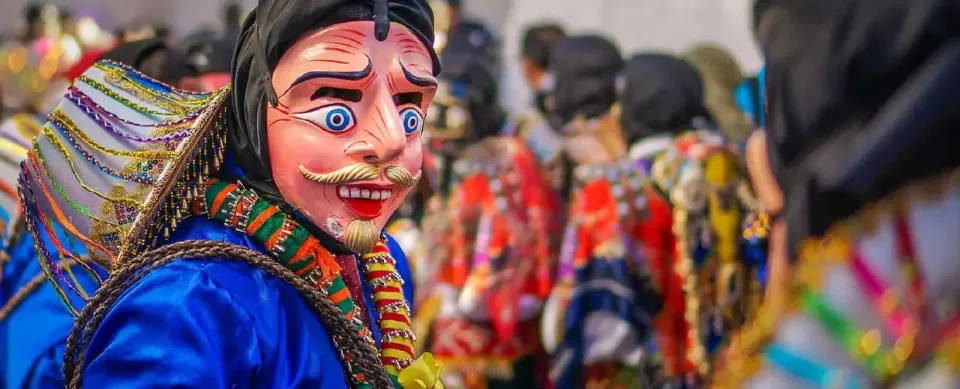


If you love Carnival, Carnival in Brazil vs Carnival in Peru is one of the most interesting travel comparisons you can make. While both celebrate the same
Choosing between Carnival in Brazil and Carnival in Peru isn’t about which one is “better,” but about which one fits your travel style. Are you looking for huge crowds, samba rhythms, and iconic spectacles? Do you like a more immersive cultural celebration? Here, locals and travelers come together in historic cities and Andean towns.
In this guide, we will compare Carnival in Brazil and Carnival in Peru. We will look at the vibe, music, dance, weather, costs, safety, authenticity, top cities to visit, and travel tips. This will help you decide which Carnival experience is best for you, or if you should plan for both.
Quick Summary
What Carnival Means in Brazil
Carnival in Brazil is more than a party—it’s a national celebration that mixes music, identity, and pride. For many Brazilians, it’s the biggest cultural moment of the year. Cities change completely, daily routines disappear, and the streets turn into one big stage. The energy feels loud, joyful, and nonstop—especially in the main Carnival cities.
The vibe (Samba, big crowds, nightlife)
Brazil’s Carnival is famous for its high intensity. You’ll find:
- Samba everywhere (from drumlines to live bands to DJs)
- Street parties (“blocos”) that take over neighborhoods for hours
- A feeling of celebration that starts during the day and often continues late into the night
It’s very social—people dance with strangers, sing together, and follow the music through the streets.
The two “faces” of Brazilian Carnival
Depending on where you go, Carnival looks different:
- Parade-style Carnival (the spectacle):
This is the famous, choreographed world you see on TV—samba schools, costumes, floats, and a stadium-style parade atmosphere. - Street Carnival (the heart of the city):
This is the most accessible style—free or low-cost blocos, dancing in the streets, and an “everyone joins in” feeling.
Where it’s most famous
Brazil isn’t one Carnival—it’s many, with different rhythms and traditions:
- Rio de Janeiro: samba school parades and huge blocos
- Salvador: trio elétrico (music trucks) and intense street party energy
- Recife & Olinda: frevo and maracatu and more traditional, daytime street culture
What it feels like as a traveler
If you’re visiting, Brazil’s Carnival is ideal if you want:
- big crowds, big energy, big sound
- nightlife and constant movement
- iconic “once-in-a-lifetime” party vibes
But it also needs planning. It is popular, so prices go up quickly. The best experiences depend on booking early and picking the right city for your style.
What Carnival Means in Peru
Carnival in Peru feels very local—less “show” and more real tradition. In some areas, it can be fun and lively. There is music, dancing in the streets, and community celebrations. These events are influenced by Andean culture and folklore. For travelers, it’s a fun way to experience Peru beyond the usual attractions—because you don’t just watch the festival, you join it.
The vibe tradition, water games, Andean celebrations
Peruvian Carnival is famous for its community energy. You’ll see:
- Water games (expect splashes, buckets, water balloons—especially in town squares)
- Comparsas (dance groups) and local bands filling streets with rhythm
- Traditional clothing, masks, and regional characters that change from place to place
- A celebratory feeling that’s more about participation than performance
In many Andean destinations, Carnival also carries cultural meaning: it’s tied to seasonal cycles, gratitude to the land, and local identity—so the celebration often feels authentic and emotionally rich, not just “party tourism.”
Top places for Carnival in Peru
Peru has many Carnivals, but these are some of the best-known destinations:
- Cajamarca (often called the capital of Peruvian Carnival):
Big, colorful celebrations with parades, music, playful water fights, and a festive city-wide atmosphere. - Cusco region (community celebrations):
More cultural and traditional, with local dances, community gatherings, and a strong Andean feel—plus it’s easy to combine with the Sacred Valley and Machu Picchu. - Ayacucho (music & dance):
Known for strong folklore traditions, lively dancing, and a distinct cultural identity that feels very “Peru” in the most authentic sense. - Puno (Carnival & highland culture):
High-altitude celebrations with powerful local culture, dance traditions, and a festive atmosphere that pairs well with Lake Titicaca experiences.
What a typical Carnival day looks like
A “normal” Carnival day in Peru often feels like this:
- Morning: people gather in the main square, music starts early, and the city slowly comes alive
- Midday: street dancing, local food, and water games begin (yes—keep your phone protected)
- Afternoon: parades or comparsas, live bands, costumes, lots of photos and spontaneous moments
- Evening: more music, gatherings, and celebrations that can go late (depending on the city)
The biggest difference compared to Brazil is that in Peru, you’re not just a spectator—you’re usually right in the middle of it.
Costs and planning basics
Peru’s Carnival is often more flexible and budget-friendly, but planning still matters:
- Tours vs local events:
Many experiences are public and local (free to watchor join), but tours help if you want logistics covered—especially if you’re combining Carnival with key highlights (Sacred Valley, Machu Picchu, Lake Titicaca). - Weather:
Carnival season often overlaps with rainy months in the Andes, so expect occasional showers and muddy streets in some destinations. - What to pack:
- light rain jacket or poncho
- quick-dry clothes (you might get soaked)
- waterproof phone cover
- sunscreen and hat (weather can change fast)
- comfortable shoes with grip
- a warm layer for cool evenings (especially in highland cities)
If you want the best cultural experience of Carnival without the stress of transport and timing, pick the right city. Planning your route also makes a big difference.
Carnival in Brazil vs Carnival in Peru
Brazil and Peru celebrate Carnival in very different ways. Brazil is big, loud, and nonstop, with famous parades and massive street parties. Peru is more local and cultural, with community celebrations, traditional music, and playful water games.
If you want a Carnival that feels like a world-famous show, Brazil is the classic choice. If you want a Carnival where you can connect with local traditions and be part of the celebration, Peru is a unique experience.
Atmosphere and style
Brazil is built around big shows and nonstop party energy—especially in places like Rio and Salvador, where Carnival can feel like a giant, city-wide performance. You’ll see organized parades, huge crowds, and an “all-in” party vibe.
Peru feels more like a community festival. It’s playful, cultural, and interactive—less about watching from a distance and more about being part of what’s happening in the streets, plazas, and local neighborhoods.
Music and dance
In Brazil, Carnival is powered by samba, plus regional styles like frevo (especially in Recifeor Olinda) and other high-energy rhythms that keep the celebration moving.
In Peru, the sound shifts to Andean music—you’ll hear huayno, brass bands, and comparsas (dance groups) that bring local identity into every celebration. The music is often more regional and traditional, and the dancing feels rooted in place.
Culture and authenticity
Brazilian Carnival is often spectacle-driven—iconic costumes, choreography, and world-famous parades. It can feel like a once-in-a-lifetime “global event,” especially for first-time visitors.
Peruvian Carnival tends to feel like living tradition. Travelers usually experience it through participation: joining local celebrations, dancing in the streets, sharing food, and becoming part of the moment rather than just observing it.
Crowds and comfort
Brazil’s top Carnival cities can mean massive crowds, louder nightlife, and higher intensity. That’s exciting—but it also takes more planning if you want comfort, good locations, or a smoother experience.
Peru often offers smaller crowds (depending on the destination) and celebrations spread across different cities and towns, which can feel more comfortable—especially if you prefer space, calmer logistics, or a more relaxed pace.
Budget
In Brazil, costs are usually higher during peak Carnival week, especially in major cities—flights, hotels, and event tickets can rise quickly.
In Peru, pricing is often more flexible, and many Carnival experiences are local and community-based, which can make it easier to travel on a wider range of budgets (even while adding iconic highlights like Machu Picchu).
Safety and logistics
For Brazil, the smart approach is to plan around:
- choosing the right city (party style varies a lot)
- booking accommodation early (location matters)
- using trusted transport and staying aware in high-crowd zones
For Peru, planning smart usually means:
- picking the best region for your style (culture vs bigger street parties)
- preparing for water games (protect valuables)
- building a route that combines Carnival with classic highlights and safe, efficient logistics
In both countries, the key is simple: plan ahead, stay in well-located areas, and avoid last-minute decisions during peak days.
Weather
Brazil’s Carnival happens in summer, so expect warm temperatures and a beach-party feel in many destinations.
Peru’s Carnival often overlaps with the rainy season in the Andes, so weather can be more unpredictable—sunny moments, light rain, and muddier streets depending on the region. The tradeoff is that landscapes can look incredibly green and dramatic.
Which Carnival Is Better for You?
Choose Brazil if you want…
If your dream Carnival is all about huge energy and big crowds, Brazil is the classic choice. Choose Brazil if you want:
- nonstop parties and nightlife
- iconic parades and famous shows
- samba music and massive street parties (blocos)
- a once-in-a-lifetime mega event
Best for: party lovers, nightlife travelers, and big-city festival vibes.
Choose Peru if you want…
Peru is ideal if you want a Carnival that feels more cultural, local, and personal—something you can join, not just watch. Choose Peru if you want:
- real cultural traditions and local life
- community festivals with dancing and live bands
- fun water games and street celebrations
- a trip that combines Carnival with Cusco, the Sacred Valley, and Machu Picchu
- more flexibility to mix celebration and sightseeing
Best for: culture lovers, couples, families, and travelers who want Carnival Peru’s top highlights in one trip.
Choose both if you can…
If you have enough time (or you’re planning a bigger South America trip), doing Brazil and Peru can be the ultimate combo: one for the iconic party energy, the other for culture and landscapes.
Suggested split itinerary idea (one trip window):
- Brazil (5–7 days): pick one main Carnival city (Rio or Salvador or Recifeor Olinda)
- Peru (7–10 days): add Carnival in a cultural destination (like Cajamarca or Cusco region), Sacred Valley and Machu Picchu
This way, you get the best of both worlds: Brazil’s spectacle & Peru’s tradition and bucket-list wonders.
Practical Tips for travelers
What to book first
If you’re planning Carnival from the US, the biggest stress usually comes from peak-week availability—so prioritize the pieces that sell out or spike in price first:
- Flights (especially if you’re targeting peak Carnival days): Prices climb fast, and the best flight schedules disappear early.
- Hotels with a good location: In Brazil, location can make or break the experience. In Peru, staying central helps you move easily between events.
- Key experiences you don’t want to miss:
- Brazil: parade tickets (if you want Sambadrome-style shows), organized experiences, and transfers.
- Peru: if you’re combining Carnival with Machu Picchu, book your trainor ticketsor tour logistics early—those can be the real bottleneck.
- Ground logistics: airport transfers and day trips are worth locking in if you want a smooth trip (especially if you don’t speak Portugueseor Spanish confidently).
What to pack
Carnival is fun—but it’s also crowded, hot, and unpredictable depending on the country.
Brazil packing essentials
- Light, breathable clothes (you’ll sweat)
- Comfortable shoes you can walkor dance in for hours
- Small crossbody bag (keep it in front)
- Sunscreen & sunglasses
- Refillable water bottle or electrolytes
- A light rain layer (weather can still change)
Peru packing essentials
- Light rain jacket or poncho (especially in the Andes)
- Quick-dry clothes (water games are common)
- Waterproof phone pouch & zip bags for valuables
- Comfortable shoes with grip (wet streets can be slippery)
- Sun protection (high altitude sun can be intense)
- A warm layer for evenings (Cuscoor Puno can get chilly at night)
How to avoid common mistakes
These are the classic “US traveler” mistakes that can turn Carnival into stress:
- Trying to do too many cities in one trip: Choose one main hub in Brazil (Rio or Salvador or Recifeor Olinda). In Peru, pick the region that fits your vibe.
- Not planning for peak pricing: Carnival week can be one of the most expensive travel periods. Lock bookings early to avoid last-minute costs.
- Underestimating comfort and recovery: Carnival is physically intense—build in downtime, hydration, and sleep.
- Ignoring local logistics: Know how you’ll get back to your hotel at night (trusted transport, meeting points, clear plan).
- Not protecting valuables: Crowds = higher risk of loss. Keep it light: pone, ID, one card and small cash.
- For Peru specifically: forgetting that Machu Picchu logistics (ticketsor train) need planning if you’re traveling during a busy season.
Photography and etiquette
You’ll get amazing photos in both countries—just keep it respectful and smart.
- Ask before close-up portraits: Especially in Peru’s traditional festivals, some participants wear symbolic outfits and may prefer consent.
- Be mindful with water games in Peru: Protect your phoneor camera, and don’t splash people who clearly don’t want to participate.
- Respect personal space in crowds: In Brazil, blocos can get very packed—keep your belongings secure and avoid carrying anything you can’t afford to lose.
- Don’t block performances or parades: Step aside for dancers and groups, and don’t stand in the middle of the flow.
- Capture the moment, then live it: The best Carnival memories aren’t always the ones on your phone.
If you want, I can adapt this section to be more conversion-focused (leading into “Why Peru is perfect for US travelers who want Carnival & Machu Picchu”) and add a mini checklist printable style.
FAQ: Carnival in Brazil vs Carnival in Peru
Which carnival is more expensive?
In most cases, Carnival in Brazil is more expensive, especially in major hubs like Rio and Salvador during peak dates. Flights, hotels, and parade tickets can surge. Peru is often more flexible—many celebrations are community-based and free to join, and overall travel costs can be easier to manage, depending on the region and your comfort level.
Is Carnival in Peru safe for tourists?
Generally, yes Carnival in Peru can be safe for tourists, especially if you follow basic travel habits: stay in central areas, keep valuables protected, and avoid carrying anything you don’t need in crowded events. One unique factor in Peru is water games, so protect your phone and documents and be mindful of your surroundings.
Does Peru have parades like Rio?
Peru does have parades and organized festivities, but they’re not the same style as Rio’s samba school spectacle. In Peru, you’ll usually see local comparsas (dance groups), bands, and community processions, which feel more traditional and participatory rather than stadium-style shows.
Where is the best Carnival in Peru?
It depends on your travel style, but some top picks include:
Cajamarca (often considered the most famous Carnival in Peru), Cusco region (great for culture & easy to combine with Sacred Valley and Machu Picchu), Ayacucho (strong music and dance traditions), Puno (highland culture & Lake Titicaca vibes)
Can I visit Machu Picchu during Carnival season?
Yes. Machu Picchu is open during Carnival season, and many travelers combine Carnival celebrations with Cusco, the Sacred Valley, and Machu Picchu. The key is planning: train tickets, entry times, and hotels can fill up faster depending on dates—so booking in advance helps.
What should I wear to Carnival in Peru vs Brazil?
Brazil: light, breathable clothing, comfortable shoes for long walkingor dancing, sunscreen, and a small crossbody bag.
Peru: layers are important (warm evenings in the Andes), plus a rain jacket or poncho and quick-dry clothing—because getting splashed is common. In both places, prioritize comfort and keep valuables minimal.
When is Carnival celebrated in Brazil and Peru?
Carnival dates are tied to the Christian calendar (it happens before Lent), so the exact dates change each year. Brazil and Peru celebrate Carnival around the same time, typically in February or early March. In Peru, some regional celebrations can extend across different days or weekends, depending on the destination.
Conclusion Carnival in Brazil vs Carnival in Peru
Brazil and Peru celebrate Carnival in two unforgettable—but very different—ways. Brazil delivers the world’s most iconic party, with massive parades, nonstop nightlife, and high-energy crowds. Peru offers a more cultural, immersive experience, where traditions, community celebrations, and playful moments bring you closer to local life. If your priority is spectacle and nightlife, Brazil may be the perfect fit. But if you’re looking for a Carnival that blends celebration with meaning, history, and iconic landscapes, Peru stands out as a uniquely rewarding choice.
If you want a Carnival trip that blends celebration, culture, and Machu Picchu, Peru lets you experience all three in one journey—from lively local festivals to the Sacred Valley and the world-famous Inca citadel.
Contact us to plan your Peru Carnival experience and turn Carnival season into a once-in-a-lifetime adventure.
More information:
- Visit our English website: Peru Grand Travel
- Visit our Spanish website: Viajes Machu Picchu Tours
- Visit our Portuguese website: Machu Picchu Pacotes