

The Carlos Dreyer Museum is one of the key cultural institutions of southern Peru and an essential place for understanding the history of the Lake Titicaca
Through its exhibits, the Carlos Dreyer Museum offers a concise yet meaningful journey into the cultural roots of the Altiplano, revealing how early societies shaped the identity, traditions, and worldview that continue to define the Lake Titicaca region today.
What Is the Carlos Dreyer Museum?
The Carlos Dreyer Museum is one of the most important cultural and archaeological museums in the Lake Titicaca region. Located in the city of Puno, it preserves a diverse collection that spans thousands of years of human history, from ancient pre-Hispanic cultures to the colonial and republican periods.
The museum offers visitors a comprehensive introduction to the civilizations that shaped the Altiplano, making it an essential stop for anyone seeking to understand the historical depth and cultural identity of southern Peru.
History and Origins of the Carlos Dreyer Museum
The Carlos Dreyer Museum was established with the purpose of preserving and showcasing the historical and archaeological heritage of the Lake Titicaca region. Created in response to the need to protect local collections, the museum became a space where artifacts from different periods of Andean history could be studied, conserved, and shared with the public.
Over the years, the museum has grown into an important cultural reference in Puno. Its collections reflect the long cultural continuity of the Altiplano, bringing together materials from pre-Hispanic civilizations, the colonial era, and the republican period. Today, the Carlos Dreyer Museum stands as a testament to the region’s rich past and its enduring role in the cultural history of southern Peru.
Who Was Carlos Dreyer?
Carlos Dreyer was a Peruvian intellectual, historian, and scholar dedicated to the study of Peru’s history and national identity. His work focused on understanding the cultural roots of the country through historical research, education, and critical thought. The Carlos Dreyer Museum bears his name in recognition of his commitment to preserving and promoting Peru’s cultural and historical heritage.
The Role of the Museum in Preserving Regional Heritage
The museum plays a key role in safeguarding the archaeological, historical, and ethnographic heritage of the Lake Titicaca region. By preserving artifacts within their regional context, it helps maintain a direct connection between local communities and their past.
Through conservation, research, and public exhibitions, the museum ensures that the cultural legacy of the Altiplano—spanning pre-Hispanic civilizations, colonial history, and living traditions—remains accessible and meaningful for future generations.
Highlights of the Carlos Dreyer Museum Collection
The museum’s collection is notable for its diversity, representing multiple historical periods and cultural traditions of southern Peru.
Pre-Hispanic Archaeological Artifacts
The Carlos Dreyer Museum houses an important collection of pre-Hispanic archaeological artifacts that reflect the early history of human settlement in the Lake Titicaca region. These objects include tools, ceremonial items, and everyday materials that offer insight into how ancient societies adapted to the high-altitude environment of the Altiplano.
The artifacts represent different cultural phases that developed around Lake Titicaca, highlighting advances in agriculture, craftsmanship, and religious practices. Through these pieces, visitors can better understand the foundations of Andean civilization and the long cultural continuity that shaped later cultures such as Pukara, Tiwanaku, and the Inca.
Ceramics and Stone Objects from the Lake Titicaca Region
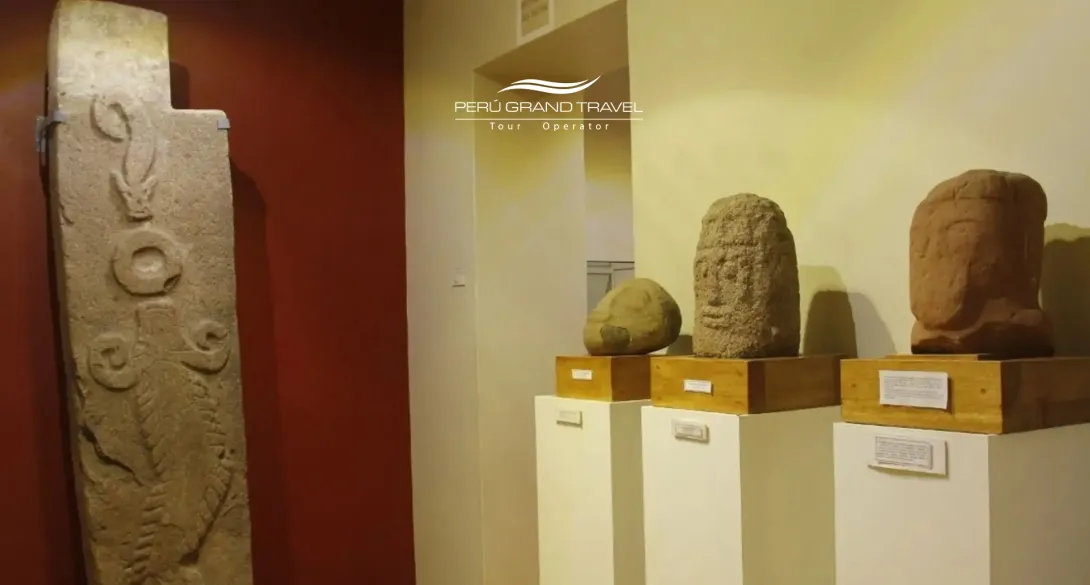
The Carlos Dreyer Museum features a rich collection of ceramics and stone objects originating from the Lake Titicaca region. These pieces showcase the artistic skill and technical knowledge of ancient Andean cultures that flourished around the lake.
The ceramic vessels display symbolic designs, geometric patterns, and ritual forms linked to daily life and religious practices. Stone objects, including tools and carved elements, reflect the importance of stone as both a practical and symbolic material in the Altiplano. Together, these artifacts help illustrate how local cultures expressed identity, belief systems, and social organization through material culture.
Colonial and Republican-Era Collections
The Carlos Dreyer Museum also preserves a valuable collection from the colonial and republican periods, offering insight into the profound cultural and social changes that followed Spanish contact. These exhibits include everyday objects, religious items, documents, and materials that reflect the transformation of Andean society under colonial rule and during the formation of the modern Peruvian state.
Through these collections, visitors can trace the blending of Indigenous traditions with European influences, as well as the emergence of new social structures and identities in the Lake Titicaca region. This section helps contextualize pre-Hispanic heritage within a broader historical timeline, showing continuity and change across centuries.
Ethnographic Pieces and Local Traditions
The Carlos Dreyer Museum includes an ethnographic collection that highlights the living traditions of communities around Lake Titicaca. These exhibits feature traditional clothing, textiles, tools, and everyday objects that reflect customs still practiced in the Altiplano today.
Through these pieces, the museum emphasizes cultural continuity, showing how ancestral knowledge, social organization, and Andean worldviews have been preserved across generations. This section helps visitors understand that the history of the region is not only found in ancient artifacts, but also in the daily life and traditions of the people who continue to inhabit the Lake Titicaca region.
Cultural Importance of the Carlos Dreyer Museum
The Carlos Dreyer Museum plays a crucial role in preserving and interpreting the cultural history of the Lake Titicaca region. More than a repository of artifacts, the museum helps explain how ancient societies of the Altiplano developed complex ways of life in one of the most challenging environments in the Andes. Its collections provide context, continuity, and meaning to the region’s past and present.
Understanding the Cultures of the Altiplano
The museum offers valuable insight into how Altiplano cultures adapted to high-altitude conditions, extreme climates, and limited natural resources. Through archaeological and ethnographic collections, visitors learn about agricultural innovations, social organization, religious beliefs, and daily life around Lake Titicaca.
By presenting these elements together, the museum helps visitors understand the Altiplano not as an isolated region, but as a dynamic cultural landscape shaped by resilience, creativity, and deep spiritual connections to nature.
Connections to Pukara, Tiwanaku, and Inca Civilizations
The Carlos Dreyer Museum clearly illustrates the cultural links between early societies such as Pukara, the powerful Tiwanaku civilization, and the later Inca Empire. Artifacts and stylistic elements found in the collection reveal shared symbols, technologies, and religious concepts that evolved over time.
This continuity allows visitors to see Andean history as a connected process rather than a series of disconnected cultures. By highlighting these relationships, the museum helps explain how ideas, beliefs, and artistic traditions were transmitted across centuries, shaping the foundations of Andean civilization in southern Peru.
Architectural Layout of the Carlos Dreyer Museum
The Carlos Dreyer Museum is housed in a historic building near the center of Puno, designed to support a clear and chronological exploration of the region’s past. Its layout is simple and functional, guiding visitors through successive galleries that move from pre-Hispanic cultures to the colonial and republican periods.
The interior spaces prioritize clarity and accessibility, allowing artifacts to be viewed up close without distraction. This understated architectural approach keeps the focus on the collections themselves, creating a calm, educational environment well suited for reflection and learning. Together, the building and its organization reinforce the museum’s role as a gateway to understanding the cultural history of the Lake Titicaca region.
Why Visit the Carlos Dreyer Museum?
Visiting the Carlos Dreyer Museum allows travelers to:
- Gain a broad overview of Andean history in the Lake Titicaca region
- Understand the cultural roots of Puno and the Altiplano
- Complement visits to Lake Titicaca, Uros Islands, and nearby archaeological sites
- Experience a lesser-known but highly informative cultural attraction
Location and How to Get There
The Carlos Dreyer Museum enjoys a central location that makes it easy to include in most itineraries while exploring the city of Puno. Its proximity to key landmarks allows visitors to combine cultural visits with relaxed walks through the historic center.
Where Is the Carlos Dreyer Museum Located?
The Carlos Dreyer Museum is located in the historic center of Puno, within walking distance of the Plaza de Armas and close to the shores of Lake Titicaca. This prime location places it near other important cultural and religious sites, making it a convenient stop during a city visit.
Best Ways to Visit from Puno and Lake Titicaca
Most visitors reach the museum on foot from their hotel in Puno, especially those staying near the city center. The museum is also commonly included in guided city tours and cultural walking routes, making it easy to visit before or after excursions to Lake Titicaca and its islands.
Best Time to Visit the Carlos Dreyer Museum
The Carlos Dreyer Museum can be visited year-round, as it is an indoor cultural attraction not affected by weather conditions. However, the best time to visit is during the dry season, from May to September, when Puno enjoys clearer skies and more pleasant weather for walking around the historic center and Lake Titicaca.
Visiting in the morning is recommended, as the museum is quieter and can be easily combined with other nearby attractions such as the Plaza de Armas or the Puno Cathedral. During local festivals or holidays, schedules may vary, so it is advisable to check opening hours in advance.
Practical Tips for Visiting the Carlos Dreyer Museum
- Plan 45–60 minutes for your visit to explore the main galleries at a comfortable pace.
- Visit with a local guide or as part of a city tour for deeper historical context and interpretation.
- Follow museum guidelines regarding photography and restricted areas.
- Wear comfortable walking shoes, as the museum is best combined with a walk through Puno’s historic center.
- Bring a light jacket, since Puno’s high-altitude climate can be cool even during the day.
Carlos Dreyer Museum vs Other Museums in Southern Peru
While southern Peru is home to major archaeological museums in cities like Cusco and Arequipa, the Carlos Dreyer Museum offers a distinctly regional perspective. Rather than presenting vast, generalized collections, this museum focuses specifically on the cultural history of the Lake Titicaca basin and the Altiplano.
Larger national museums often emphasize monumental narratives and iconic artifacts. In contrast, the Carlos Dreyer Museum provides a more intimate and contextual experience, allowing visitors to understand how everyday life, beliefs, and traditions developed in high-altitude Andean societies. Its mix of pre-Hispanic, colonial, and ethnographic collections helps connect ancient civilizations with living cultures still present in the region today.
For travelers and history enthusiasts seeking depth over scale, the Carlos Dreyer Museum stands out as a complementary stop—one that enriches visits to Lake Titicaca and offers insight that broader museums may overlook.
Frequently Asked Questions About the Carlos Dreyer Museum
What are the main exhibits at the Carlos Dreyer Museum?
The Carlos Dreyer Museum features a diverse collection that includes pre-Hispanic archaeological artifacts, ceramics and stone objects from the Lake Titicaca region, colonial-era items, and ethnographic pieces that reflect local traditions of the Altiplano.
How long does a visit take?
Most visits last between 45 minutes and one hour, making the museum an easy and enriching stop during a walk through Puno’s historic center.
Is the museum included in Lake Titicaca tours?
I Yes. The museum is often included in city tours of Puno and is also commonly visited independently before or after excursions to Lake Titicaca and its islands.
Are guided tours available at the Carlos Dreyer Museum?
Yes, guided tours are available at the Carlos Dreyer Museum, either with local guides or as part of organized city and cultural tours in Puno. A guided visit is recommended, as it helps visitors better understand the historical context, symbolism, and cultural significance of the archaeological and ethnographic collections.
What are the opening hours of the Carlos Dreyer Museum?
The museum typically opens in the morning and closes in the afternoon. Opening hours may vary depending on the season, holidays, or local events, so visitors are advised to confirm the schedule locally or through their tour provider before visiting.
Where is the Carlos Dreyer Museum located in Puno?
The Carlos Dreyer Museum is located in the historic center of Puno, within walking distance of the Plaza de Armas and close to the shores of Lake Titicaca. Its central location makes it easy to include in city tours and cultural walks around Puno.
Final Thoughts: The Cultural Legacy Preserved at the Carlos Dreyer Museum
The Carlos Dreyer Museum offers a meaningful introduction to the history and cultures of the Lake Titicaca region. Through its diverse collections and local focus, it helps travelers understand the deep cultural roots of the Altiplano and the civilizations that shaped southern Peru.
More information:
- Visit our English website: Peru Grand Travel
- Visit our Spanish website: Viajes Machu Picchu Tours
- Visit our Portuguese website: Machu Picchu Pacotes