

From condors to the ancient Peruvian hairless dog, discover native animals of Peru and where to spot them. Plus tips for responsible sightings
Peru’s wildlife rarely gets the attention it deserves next to Machu Picchu, but it should. Condors ride thermals above canyon walls three kilometers deep. Spectacled bears (the only bear species in South America) move through misty cloud forest that most visitors never even glimpse. Alpacas graze at altitudes that leave most travelers gasping for air just to walk uphill.
Part of what makes this possible is geography. Peru packs desert coastline, high Andes, and Amazon rainforest into one country. Each zone comes with its own cast of Peruvian animals. Some are even not found anywhere else on the planet. You don’t need a specialized safari or weeks of planning to see them either! A handful of these species show up on the same routes travelers already take to Cusco, the Sacred Valley, and Machu Picchu.
This guide covers ten animals of Peru worth watching for, from the icy peaks of the Andes down into the jungle, along with exactly where each one tends to show up and what to look for when you’re there.
Why Is Peru’s Wildlife So Special?
Peru crams three completely different ecosystems inside one set of borders. Desert coast on one side. The high Andes running down the middle. Amazon rainforest spilling out to the east. Cross from one to the next and the animals change entirely. That is part of what makes this country such a strange, layered place to travel through.
Stay up in the Andes, and you’ve got a real shot at spotting an Andean puma, or the Gallito de las Rocas, Peru’s national bird, impossible to miss with that bright red crest once you spot one. Llamas and alpacas graze right up at altitudes where most visitors are still gasping for air on a short walk. A lot of these species don’t exist anywhere else on the planet outside this stretch of mountains, which is exactly why serious wildlife travelers build entire trips just around this one region.
The Most Iconic Animals of Peru and Where to Find Them
Llamas and Alpacas
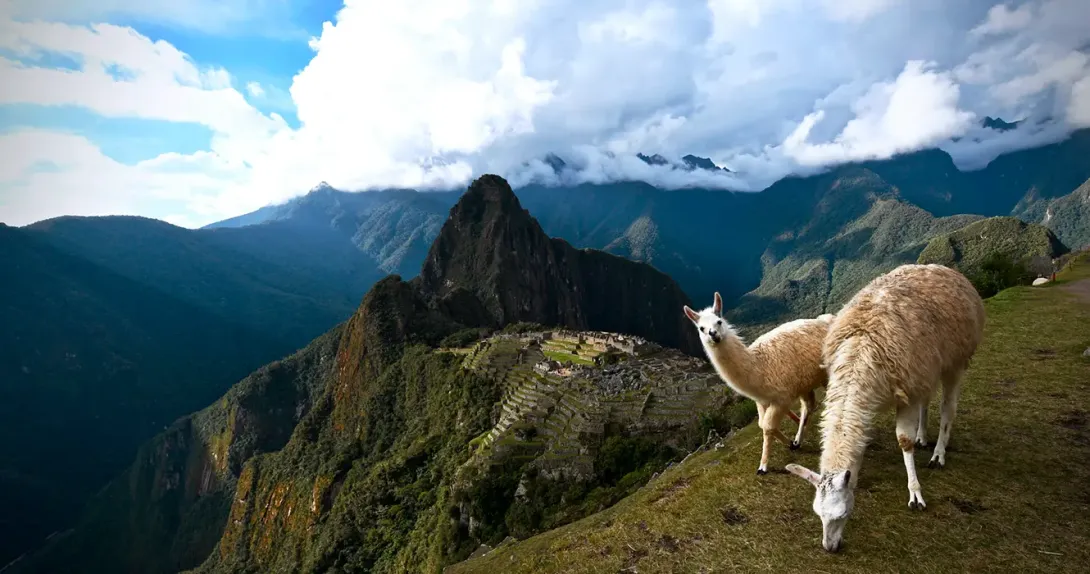
Llamas and alpacas, native to the Andes, are vital to communities for wool, meat, and as pack animals. Alpacas are famous for their soft, high-quality wool. They are also beautiful, gentle, and have a calm, friendly personality that adds to their charm.
Where to See Them
You can spot them in the highlands of the Andes, in places like Arequipa, Puno, Cusco, and Huaraz
Andean Condor
The Andean Condor, a key symbol for the Incas, represents Hanan Pacha, the sky. With its impressive 3-meter wingspan and majestic flight over the Andes, it is a remarkable sight for wildlife enthusiasts.
Where to See Them:
- Colca Canyon (Arequipa): This is one of the most famous places to spot condors. The Cruz del Cóndor viewpoint is the ideal spot, especially early in the morning.
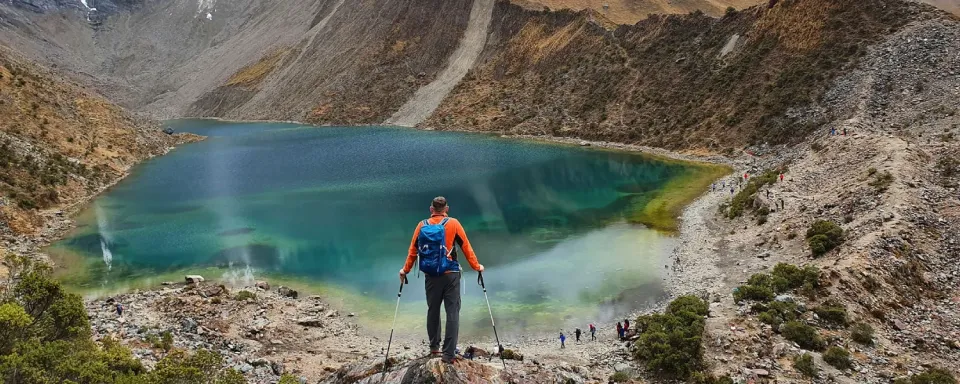
- Santa Cruz Trek (Huaraz): This trek in the Cordillera Blanca is an excellent location to see Andean condors.
- Chonta (Cusco): Just around 2 hours outside of Cusco on the road to Abancay (and Lima) is the small village of Chonta. This village is found in the Apurimac Canyon. It is a short hike, around 1 hour long, to the first viewpoint. Then, you can have an extremely good chance of seeing the Andean condor soaring on the thermals. One of the most awe-inspiring native animals of Peru.
Gallito de las Rocas
The Gallito de las Rocas (Cock of the Rock) is one of the most iconic birds in Peru and the country’s national bird. Its stunning bright red plumage and distinctive crest make it easily identifiable. If you’re lucky, you might spot this bird in its natural habitat, but its secretive behavior makes it difficult to find.
Where to See Them:
- Manu National Park (Cusco): One of the best places to observe the Gallito de las Rocas (Cock of the Rock) in its natural habitat.
- Inca Trail and Machu Picchu: Embark on the adventure to Machu Picchu, and if you’re fortunate, you may encounter this emblematic bird along the way in its natural environment.
Spectacled Bear (oso de anteojos)
The Spectacled Bear, also referred to as the Andean Bear, is among the most representative animals of Peru. With its distinctive dark fur and white markings around its eyes, it is the only bear native to South America. Endemic to Peru, the Spectacled Bear is under severe threat of extinction because of habitat degradation and poaching.
Where to See Them:
- Inca Trail: In the nearby forested areas, it is possible to spot an Andean Bear along the trek.
Vizcacha
The vizcacha is a rodent native to the Andes, similar to a rabbit, but with a squirrel-like tail. It demonstrates agility and adapts well to rocky terrain.
Where to See Them
The Vizcacha inhabits rocky areas and is primarily found in elevated mountain regions, such as Arequipa, Cusco, and Huaraz. These rodents are common in the high-altitude areas of the Andes.
Andean Puma
The Andean Puma is a wild cat that inhabits the high mountains of the Andes. You can find this puma in areas such as Cusco, Arequipa, and Ayacucho
Guinea Pig (Cuy)
The Guinea pig is a rodent native to the Andes and a traditional food in Peruvian cuisine. The animal is small, has a compact body, and has extremely soft fur.
Where to See Them
Guinea pigs are commonly found in rural areas of the Peruvian Andes, especially in Cusco, Puno, and Arequipa. People raise them in small pens in rural communities.
Andean Deer (Taruka)
The Andean Deer, or Taruca, is a deer native to the high mountains of the Andes. With its brown coat and branching antlers, it is a species that inhabits regions of great altitude.
Where to See Them
They mostly live in Ayacucho, Cusco, and Arequipa and navigate rocky, rugged terrain with great agility.
Peruvian Hairless Dog (Viringo)
Technically, of course, this isn’t wildlife in Peru. It’s a dog breed. But skip it, and the list feels incomplete. Moche pottery from over 3,000 years ago shows dogs with the same bald, wrinkled look you’ll still spot trotting around Lima or Cusco today! They have barely changed in three millennia. Their skin actually runs a couple degrees warmer than a normal dog’s, which is why Andean families have kept them curled up against sore joints and bad backs for generations. Peru made it an official breed in 2001, naming the Viringo a national heritage breed.
How to Explore Without Harming Nature
Exploring nature and observing the animals of Peru is a unique experience, but it’s crucial to do so responsibly to preserve ecosystems and wildlife. Here are some key tips to enjoy it without causing harm:
- Stay on the trails: Avoid stepping off the path to protect the plants and habitats of the animals of Peru.
- Dispose of your trash properly: Leave no trace. Ensure you take everything you bring with you, no matter how small.
- Keep your distance: Enjoy the animals of Peru from afar to avoid disturbing them or disrupting their space.
- Use natural products: Choose eco-friendly creams and repellents that won’t harm the environment.
- Turn everything off at the end of the day: If you’re camping, switch off lights and campfires to protect wildlife and prevent fires.
By following these simple tips, you can enjoy Peru’s incredible variety of life in a respectful and responsible way. Explore, learn, and respect, so that everyone can continue to appreciate this amazing natural heritage!
Essential Tips for Environmental Conservation
- Respect protected areas: stay on marked trails in national parks and reserves to help protect the animals of Peru
- Avoid poaching: Do not participate in or support illegal actions that threaten species.
- Reduce plastic use: Plastics can end up in the habitats of animals, causing harm to wildlife. Always choose Eco-friendly products whenever possible.
- Promote responsible ecotourism: Support initiatives that encourage conservation and educate others on the importance of protecting ecosystems and the animals of Peru.
Respect and care for the animals of Peru are essential to maintain harmony in our ecosystems. By raising awareness and acting responsibly, we can protect this wildlife and ensure its survival.
Our goal is for travelers to recognize and value the animals of Peru, preserving Peru’s ecosystem and natural habitats for everyone to enjoy. This way, these animals thrive in their native natural environment.
Ten animals, three ecosystems, and a country most people only picture through Machu Picchu photos. Peru’s wildlife deserves more attention than it usually gets on a first trip. Once you have seen a condor circle a canyon or watched an alpaca ignore you completely from six feet away, it tends to change how you plan the rest of your itinerary.
If any of this has you thinking about when to go, check out our Peru packages most routes already pass through prime wildlife territory without you having to add anything extra. Got questions about where to spot a specific animal on your dates? Contact us, and we will help you build it into your trip!
More information:
- Visit our English website: Peru Grand Travel
- Visit our Spanish website: Viajes Machu Picchu Tours
- Visit our Portuguese website: Machu Picchu Pacotes