

Wondering where to buy Peruvian pisco? Explore shops in Lima, Ica, and Cusco, US buying options, and tips for choosing authentic pisco.
There is a moment that happens to almost everyone the first time they try real pisco in Peru. It might happen in a vineyard outside Ica, with dust on your shoes and a glass held up to the light. You realize this isn't just another clear spirit. Peruvian pisco is a grape brandy distilled from fermented grape must, traditionally without adding water after distillation or aging it in wooden barrels. The grapes and the producer's methods are part of what makes each bottle different.
So, where can you buy Peruvian pisco? In Peru, look for licensed producers and bodegas in Ica or Lunahuaná, specialized liquor shops and supermarkets in Lima and Cusco, or airport shops if you're making a last-minute purchase. In the United States, you may find imported Peruvian pisco at specialty liquor retailers or through online stores that are permitted to serve your state. Availability, prices, shipping and age restrictions vary.
Pisco has a legally protected Denomination of Origin in Peru, with authorized production areas in Lima, Ica, Arequipa, Moquegua, and designated valleys in Tacna. If you want to understand the grapes, history and traditions behind the bottle, read our guide to Peruvian pisco.
Where to Buy Peruvian Pisco in Peru
If you're actually in Peru, the best place to start is a bodega in Ica or Lunahuaná. You can learn about the production process, compare different styles when tastings are available, and sometimes find bottlings that aren't widely distributed. Meeting the people behind the product can be more memorable than the purchase itself. If a vineyard visit isn't on your itinerary, that's fine too. Specialized shops and supermarkets in larger cities offer a practical alternative.
Where to Buy Pisco in Lima
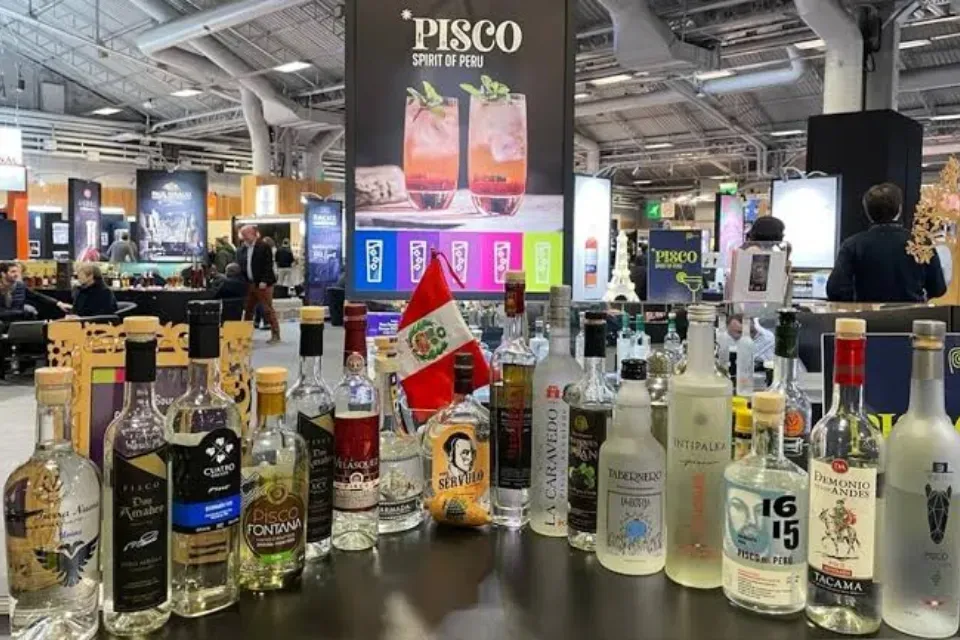
In Lima, start with established supermarkets, specialty wine and spirits shops, or stores that clearly identify the producer and origin of each bottle. Neighborhoods with a concentration of retail options, such as Miraflores and San Isidro, can be convenient for travelers. Compare grape varieties, styles and prices before choosing. For other locally made gifts to take home, see our guide on where to buy souvenirs in Peru.
Buying Pisco in Ica and Lunahuaná
Ica is especially rewarding if you prefer to see where the spirit comes from. A bodega visit brings the story beyond the shelf: vineyards, stills, producers and the chance to learn why a Quebranta tastes different from an Italia. Lunahuaná is another destination with pisco-producing traditions. Before traveling, check whether a producer accepts visitors, offers tours or tastings, and sells bottles on-site.
If you're planning to explore Ica, consider combining a bodega visit with other activities in the region rather than making a separate journey just to buy a bottle.
Pisco Shops in Cusco
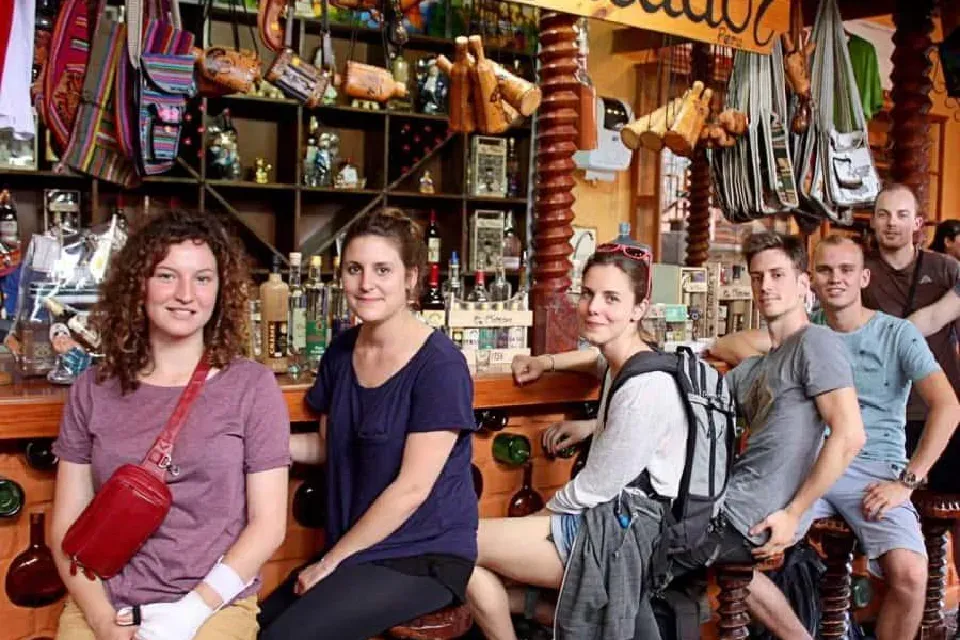
In Cusco, look for established specialty stores and well-stocked supermarkets. Staff at a good shop should be able to explain the difference between Puro, Acholado and Mosto Verde and help you identify the grape variety and producer. The selection changes, so I wouldn't build your plans around a specific brand being in stock. If you find a bottle you like, compare the label and price before making your choice.
Airports and Duty-Free Shops
Convenient? Yes. The widest selection or best price? Not necessarily. Shops at Lima's Jorge Chávez International Airport can be useful if you didn't have time to shop during your trip, but stock, duty-free eligibility and prices vary. Check your airline's liquid restrictions, connections and destination-country rules before buying.
DID YOU KNOW? Under Peru's production rules, pisco is distilled from permitted grapes and is not diluted with water after distillation. Reading the producer and origin information on the label matters more than choosing a bottle solely by its design.
Can You Buy Peruvian Pisco in the US?
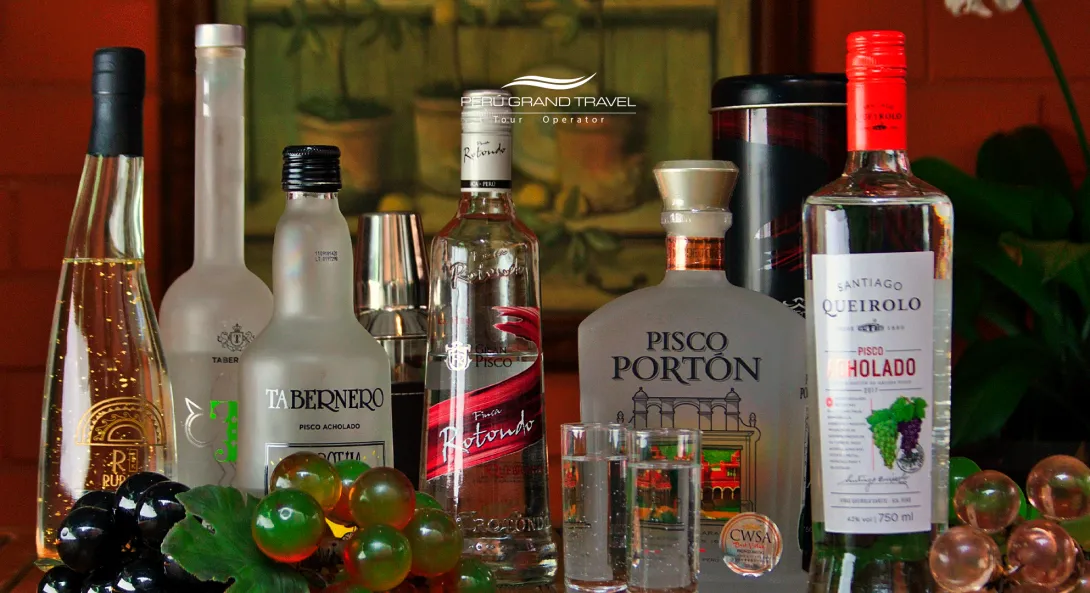
Back in the States and missing a Pisco Sour? Not the end of the world. Some specialty liquor shops and larger chains stock imported Peruvian pisco, including brands such as BarSol or Pisco Portón. Retailer listings and in-store availability can change by location, so check before making a trip. State alcohol laws may also limit which retailers can sell or ship spirits to you.
Look for the product's Peruvian origin on the label, and check the producer, type and alcohol content. Pisco from Peru and pisco from Chile follow different production regulations; the shared name alone doesn't tell you what you're buying.
Can You Buy Pisco Online?
Yes, Peruvian pisco may be available through licensed online liquor retailers in markets where alcohol e-commerce and delivery are permitted. Search a retailer's website for “Peruvian pisco,” filter by country of origin, and check whether it delivers to your address. You may need to verify your age at checkout and on delivery.
In the United States, shipping rules differ by state, and not every online store can deliver spirits everywhere. If an online listing does not clearly state the producer, origin, bottle size and alcohol by volume (ABV), look for a more informative listing before ordering. Peru Grand Travel is a travel operator and does not sell or ship bottles of pisco.
Where Can You Find Pisco Internationally, and How Much Does It Cost?
Outside Peru, you may come across imported brands such as BarSol, Pisco Portón or other producers, depending on the country and distributor. Prices vary considerably with bottle size, type, taxes and importer costs. Rather than relying on a fixed price range, compare current listings from licensed local retailers.
IMPORTANT FACT: Not everything called “pisco” abroad is made in Peru. If you're specifically looking for Peruvian pisco, read the country-of-origin statement and producer details.
What Is the Best Peruvian Pisco to Buy?
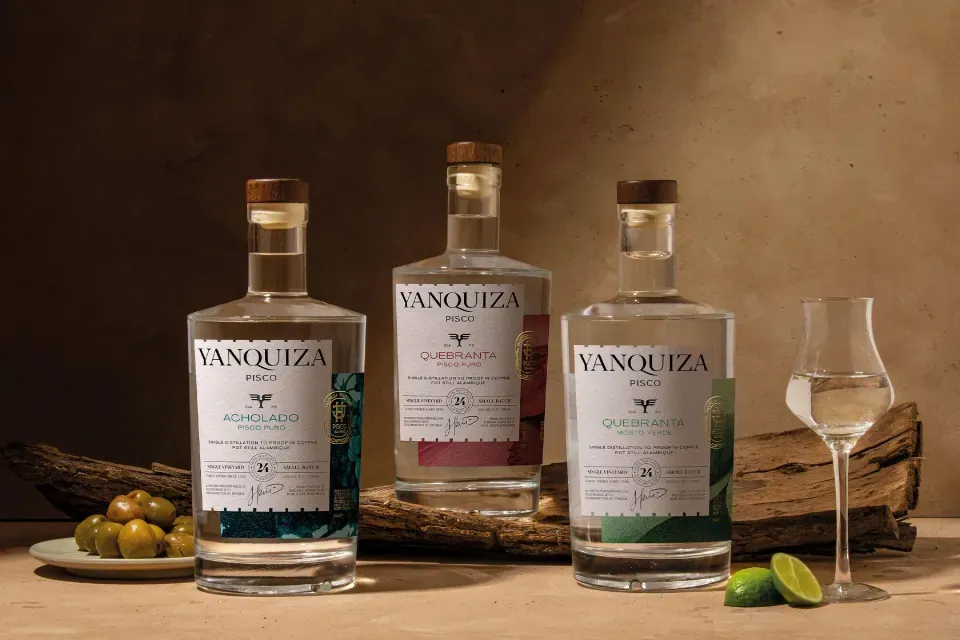
Once you know where to buy Peruvian pisco, the next logical question is: which one? We don't talk about brands as much as we talk about grapes and style. The “best” bottle is subjective, but understanding what you're looking at makes the choice easier.
How to Choose Authentic Peruvian Pisco
Standing in front of a shelf, a few details actually matter. Look for a clear spirit in a properly labeled bottle with the producer, country of origin, style and ABV. The permitted alcohol range for Peruvian pisco is generally 38% to 48% ABV. Ask about the grape variety if it isn't obvious from the front label.
- Puro: made from a single permitted grape variety. A good choice if you want to explore how Quebranta, Italia or another grape expresses itself.
- Acholado: a blend made according to the pisco production standard. Often a versatile option for cocktails or gifts.
- Mosto Verde: distilled from must whose fermentation has not fully finished. Often selected by travelers interested in sipping and exploring the spirit's aromas.
Don't judge quality by the bottle alone. Good labeling, traceable origin, a reputable producer and a style suited to how you plan to use it are more helpful than extravagant packaging.
A Note on Buying Peruvian Pisco as a Gift
If you're picking up a bottle for someone else, Acholado can be a flexible choice because it's familiar to cocktail drinkers. A Mosto Verde may suit someone interested in sampling spirits on their own. It is worth thinking about how the recipient likes to drink before deciding which one to purchase.
Packaging matters if you're taking the bottle home in checked luggage. Protect the glass against impacts and leakage, and confirm customs allowances, airline rules and any declaration requirements at your destination.
Can You Bring Pisco Home from Peru?
Often, yes, but the amount you can transport and import depends on the airline, route, destination and local customs rules. Bottles bought outside the airport typically need to go in checked baggage when they exceed cabin liquid limits. Duty-free purchases may have different procedures, especially if you have a connecting flight. Confirm the applicable rules before departure; don't assume that buying at duty-free means unlimited import allowances.
Is Pisco Stronger Than Vodka or Tequila?
Vodka and tequila commonly sit around 40% ABV, while Peruvian pisco generally ranges from 38% to 48% ABV. Some bottles are stronger and others are comparable. Check the label rather than assuming that a smoother flavor means a lower alcohol content.
Beyond the Pisco Sour
Most people first encounter pisco through one cocktail. A Pisco Sour is a classic introduction, but there's also the Chilcano, made with pisco, ginger ale and lime, and the Capitán, which combines pisco with sweet vermouth. The grape variety can change the flavor noticeably. If you're interested in the story behind Peru's best-known cocktail, explore our article on Pisco Sour traditions in Peru.
Can You Drink Pisco Straight?
Yes. Some people prefer to taste a Puro or Mosto Verde neat to appreciate the aroma and grape character; others use Puro or Acholado in cocktails. A small tasting glass can help you notice those differences. Preferences vary, so there's no single correct way to serve it.
A Bit of History
Pisco is closely associated with Peru's coastal valleys and the port of Pisco, through which grape spirits moved during colonial trade. Its roots reach back to the development of vineyards and distillation during the colonial era. Peru and Chile both have long pisco traditions and distinct national standards. For travelers, learning how Peruvian producers make and classify their spirit is a useful way to understand what appears on a label.
Discovering Pisco as Part of a Peru Trip
Finding good pisco here isn't really shopping, not in the usual sense. It can be a small cultural experience: seeing vineyards, learning about local production and meeting the people who work in the region. Visits depend on each bodega's current schedule and what a tour includes, so don't assume any particular winery or tasting is included unless it appears in your itinerary.
Peru Grand Travel's Gastronomic and Historic Peru 10-day tour includes a Lima culinary experience with a Pisco Sour demonstration. For a broader trip, explore our Peru travel packages or contact our team about your itinerary.
Frequently Asked Questions About Buying Peruvian Pisco
Where can I buy Peruvian pisco outside Peru?
Check licensed liquor shops and online retailers in your country. Availability depends on local distributors and alcohol sales laws. Confirm the bottle's country of origin before purchasing.
Can I buy Peruvian pisco online in the United States?
Online availability depends on the retailer and the state where you live. Search licensed retailers that serve your area and review their age-verification and shipping policies.
Where should I buy pisco in Lima?
Specialty wine and spirits shops, established supermarkets and airport stores are convenient options. Compare labels and selections, and check store details before visiting.
What is the best pisco to buy?
It depends on how you'll use it. Puro highlights a particular grape, Acholado offers a blended style, and Mosto Verde is another option for exploring flavor and aroma. Choose a reputable producer and read the label.
How can I tell if a bottle is authentic Peruvian pisco?
Check that it identifies Peru as its origin and lists the producer and applicable product details. Where available, look for the Peruvian Denomination of Origin information rather than relying on marketing claims alone.
Is pisco wine or liquor?
It's a distilled spirit, specifically a type of grape brandy, not wine. Its base comes from fermented grape must.
Is pisco expensive?
Prices vary by producer, style, bottle size and country. Imported bottles may cost more because of distribution costs and taxes, so compare current local prices.
Can I bring a bottle of pisco home as a souvenir?
Often you can, subject to airline baggage rules, age requirements and your destination's customs limits. Pack bottles carefully and verify the rules before flying.
Choosing Peruvian Pisco Is Also Discovering Peru
Where to buy Peruvian pisco is just the beginning. The real story is in the vineyards, the grape varieties, the people behind each bottle and the traditions that have developed over centuries. Whether you're choosing a gift or learning about the spirit on a trip through Ica, a little context makes the experience more meaningful.
At Peru Grand Travel, we help travelers explore Peru through its landscapes, history and local culture. If food and regional traditions are part of your plans, take a look at our travel itineraries across Peru and discover which experiences match your interests.