

If you are planning a trip to Peru, you will probably encounter coca tea, or mate de coca, especially in Cusco and other Andean destinations. Made by steeping coca leaves in hot water, this traditional infusion has been part of everyday life in the Andes for generations. Travelers often hear about it in connection with altitude sickness, but its cultural importance goes far beyond that.
So, what is coca tea, what does it taste like, and is it safe to drink? Here are five reasons travelers are curious about it, along with practical information about its effects, precautions, and whether you can take it home.
What Is Coca Tea and Why Is It So Important in Peru?
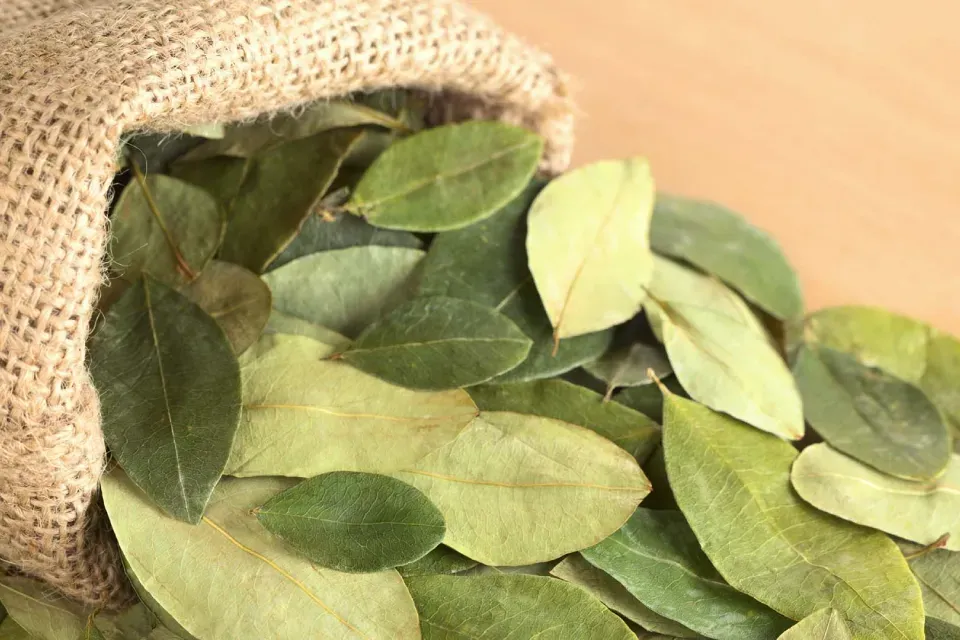
Nobody in Cusco can tell you exactly when coca tea started to be brewed. Before the Incas, probably. It has simply been part of Andean life for a very long time. Coca leaves have traditionally been chewed, brewed, and used in ceremonies by communities across the Andes. Ask a local about the tea, and altitude may barely come up. For many people, it is simply something familiar, passed down through generations.
Coca tea is commonly served in mountainous areas of Peru, including Cusco and Puno. Beyond the drink itself, coca leaves hold cultural significance in Andean communities and are associated with hospitality, daily life, and traditional offerings. Trying a cup can be a small way to learn about that heritage, provided visitors approach the tradition with respect.
5 Reasons to Try Coca Tea in Peru
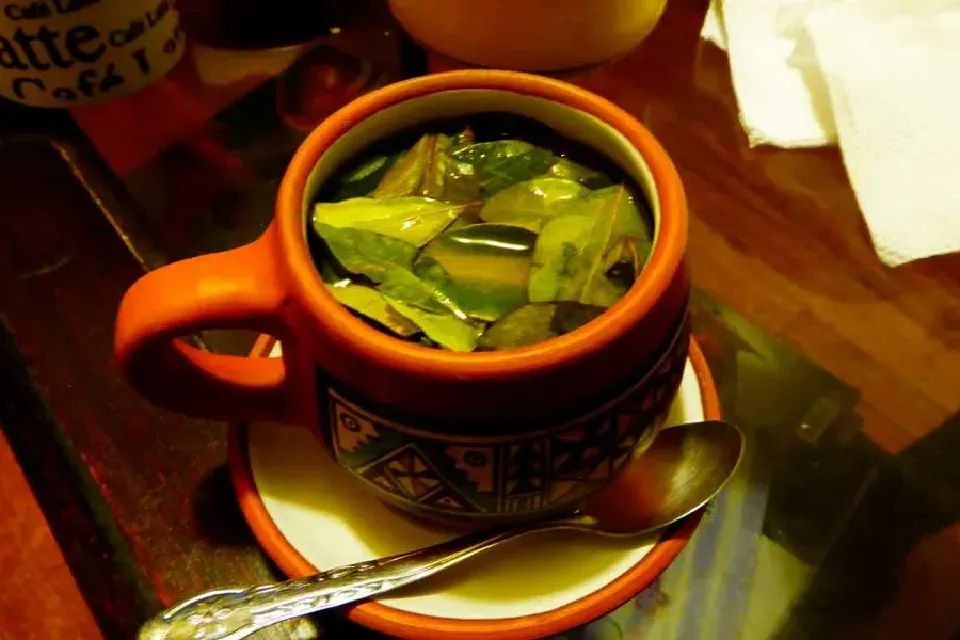
During a trip to the Andes, coca tea may become part of your everyday experience. Here is why visitors are interested in trying it.
1. Discover a Traditional Andean Response to High Altitude
Altitude sickness, also called soroche in Peru, can affect travelers arriving in Cusco, Puno, Huaraz, and other high-elevation destinations. Symptoms may include headache, nausea, dizziness, and fatigue. Coca tea is traditionally consumed by some people who feel uncomfortable at altitude, but scientific evidence has not established that coca tea prevents or treats altitude sickness or improves blood oxygen levels.
It is important to allow time for acclimatization, avoid strenuous activity soon after arrival, and seek appropriate medical advice when planning demanding hikes. If symptoms worsen, do not continue ascending. You can learn more about high elevations and trip preparation in our Huaraz altitude guide.
2. Experience a Drink Associated With Everyday Energy
Travel days in Peru can be long, whether you are exploring Cusco, visiting the Sacred Valley, or preparing for a trek. Some locals describe coca tea as gently stimulating, and travelers may enjoy it as a warm drink before heading out. However, its effects vary, and it should not be presented as a proven treatment for fatigue or as a substitute for sleep, food, or water.
If your plans include the Classic Inca Trail to Machu Picchu, proper preparation and acclimatization matter far more than any particular drink.
3. Take Part in a Unique Cultural Experience
There is a reason coca tea appears in many hotel lobbies in Cusco before it appears on a restaurant menu. It is not simply a tourist novelty. Coca leaves have a long history in the Andes, from traditional offerings to everyday use in mountain communities.
When someone offers you a cup, it is worth knowing what you are holding. The tea connects visitors with a custom that predates many of the archaeological sites they have come to see. The experience is not about seeking a miracle cure; it is about understanding a small part of Andean life.
4. Learn About Its Traditional Use After Meals
Peruvian cuisine is flavorful, sometimes rich, and full of dishes that may be unfamiliar to travelers. After trying rocoto relleno, causa limeña, or other regional specialties, you may notice locals enjoying a warm herbal infusion. Coca tea is traditionally consumed after meals, although there is not enough reliable clinical evidence to claim that it treats digestive problems.
It can still be an interesting drink to discover alongside Peru's food traditions.
5. Try Its Distinctive Herbal Flavor
What does coca tea taste like? Many people describe it as earthy, grassy, and slightly bitter, with a flavor that can remind them of green tea. Its strength depends on the number of leaves and how long they steep. Some people prefer it plain, while others add a little sugar or honey.
It is not accurate to describe every cup as a concentrated source of vitamins or minerals. Its main appeal to travelers is the experience, the flavor, and the connection to Andean tradition.
Does Coca Tea Have Caffeine?
Traditional coca tea is made from coca leaves, not tea leaves or coffee beans. It is not generally considered a caffeine-containing drink unless caffeine has been added through another ingredient in a blended product. Coca leaves do contain naturally occurring alkaloids, however, so caffeine-free does not necessarily mean free of stimulating effects. Check the ingredients of commercial tea blends rather than assuming every product has the same composition.
If you notice that it affects your sleep, avoid drinking it close to bedtime.
Where and How to Enjoy Coca Tea in Peru
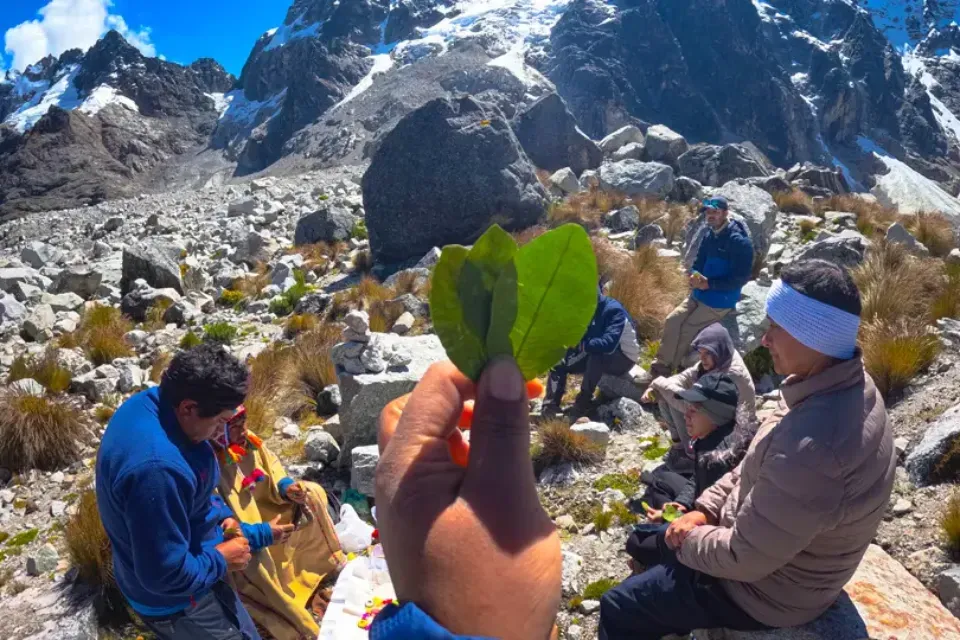
Coca tea is easy to find in many Andean areas of Peru. Hotels, cafes, restaurants, and markets may offer it, and some accommodations in Cusco provide coca leaves and hot water for guests. Tea bags may also be available in local shops. Availability varies, so it is better to ask than to assume it will be served everywhere.
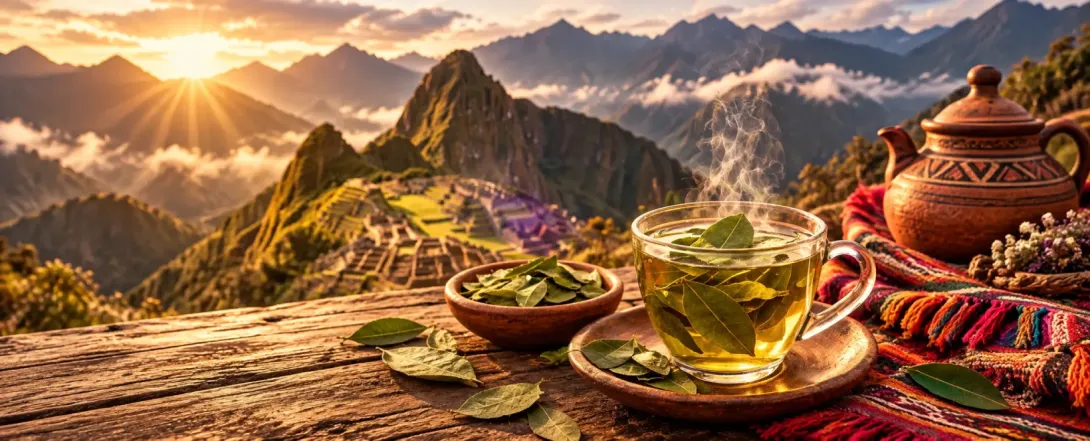
To prepare a traditional cup, place a few clean coca leaves in hot water, allow them to steep for several minutes, and remove the leaves or strain before drinking. Follow the product instructions if using packaged tea bags.
Visitors who want to experience the region beyond its familiar sights can explore our Peru travel packages, which bring together cultural attractions, local experiences, and guided visits.
Coca Tea Side Effects and Precautions
Although coca tea is traditional in Peru, it is not appropriate to assume it is safe for everyone. The natural alkaloids in coca leaves can have physiological effects, and research on the safety of frequent consumption is limited.
- Pregnancy and breastfeeding: Avoid coca products unless a qualified healthcare professional specifically advises otherwise.
- Medical conditions and medication: If you have cardiovascular concerns, take medication, or have another health condition, seek professional advice before consuming coca tea.
- Sleep and sensitivity: Some people may experience stimulating effects, so consider avoiding it late in the day.
- Drug testing: Coca tea can result in a positive test for cocaine metabolites. This is important if you may undergo workplace, sporting, or other testing.
- Altitude sickness: Do not use coca tea as a replacement for gradual acclimatization or medical care. Confusion, difficulty walking, or shortness of breath at rest require urgent medical assessment.
Is Coca Tea Legal in Peru?
Coca leaves and traditional coca tea are sold and consumed legally within Peru under the country's applicable framework. You may see them in local markets and hospitality settings. However, the rules in other countries are different, and the legality of possession, importation, and sale should never be assumed simply because a product was bought in Peru.
Coca leaves naturally contain alkaloids, including cocaine-related compounds. Traditional coca tea should not be confused with processed cocaine, but that distinction does not automatically make coca products legal to import elsewhere.
Can You Bring Coca Tea Home From Peru?
Before packing coca tea, coca leaves, or products containing coca, check the official customs and controlled-substances rules of your destination and any transit countries. The United States, for example, prohibits travelers from bringing in coca leaves, including leaves intended for tea. Restrictions can also apply to packaged products and gifts.
Do not rely on a shop's assurance that a sealed packet is permitted abroad. If you are unsure about the rules for a specific product and destination, it is safer not to take it across the border.
Frequently Asked Questions About Coca Tea
What is coca tea in Peru?
Coca tea, or mate de coca, is a traditional Andean infusion made from coca leaves steeped in hot water. It is commonly encountered in places such as Cusco and Puno.
What are the benefits of coca tea?
Its cultural importance and traditional uses are well established. People have used coca tea for altitude-related discomfort and after meals, but strong scientific evidence for specific medical benefits is lacking.
Does coca tea help with altitude sickness?
There is no strong evidence that it prevents or treats altitude sickness. Gradual acclimatization, recognizing symptoms, and appropriate medical advice remain important.
Does coca tea contain caffeine?
Traditional coca-leaf infusion is not typically a source of caffeine unless another ingredient has been added. It does contain naturally occurring coca alkaloids, which may have stimulating effects.
Can coca tea make you feel high?
A cup of traditional coca tea is not equivalent to using processed cocaine. However, it contains coca alkaloids and should not be described as drug-free. Individual effects can vary, and it can affect drug-test results.
What does coca tea taste like?
It is usually described as earthy, grassy, and mildly bitter, somewhat similar to a light herbal or green tea.
Is coca tea safe to drink?
Safety depends on the person and circumstances, and evidence about frequent use is limited. Pregnant travelers and people with relevant medical conditions should avoid it or seek professional medical guidance.
Can I bring coca tea to the USA?
Do not bring traditional coca leaves or coca-leaf tea into the United States. US customs authorities prohibit importing coca leaves for preparing tea.
Can coca tea affect a drug test?
Yes. Drinking coca tea may cause a positive result for cocaine metabolites, so travelers facing upcoming drug screening should take this possibility seriously.
Experience Andean Traditions During Your Peru Trip
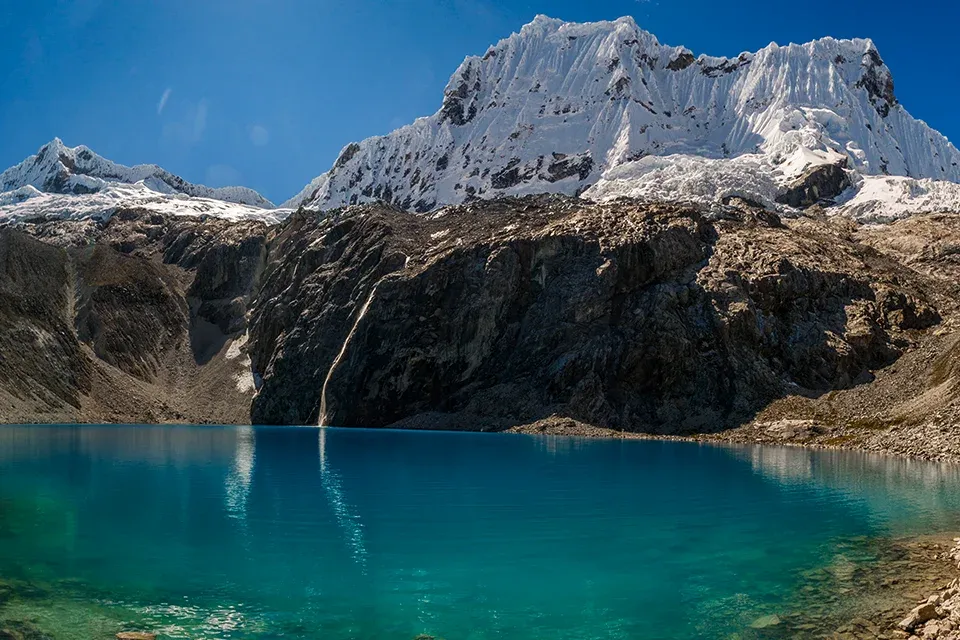
Coca tea is more than a drink offered to visitors. It reflects a tradition that remains meaningful in many Andean communities, and tasting it can be part of discovering the culture of Cusco and the surrounding region. Enjoy the experience for what it is, while planning high-altitude travel responsibly.
Whether you are exploring the Sacred Valley, preparing for Machu Picchu, or interested in local traditions, you can browse our Peru travel itineraries or contact our team to plan a journey that fits your interests and pace.