

Discover every museums in Cusco, from Inca history to colonial art. Find prices, opening hours, and locations in our complete 2026 guide. Plan your visit here!
Cusco is often called the “Rome of America,” and for good reason. Every street corner in the historic center tells a story of an empire that once ruled the Andes and a colonial era that transformed the continent. However, the true essence of this ancient capital is preserved behind the walls of its galleries.
If you are planning a trip to Peru, visiting the museums in Cusco is not just an optional activity; it is a fundamental step to understanding the complexity of the Inca worldview and the syncretism of the Cusco School of Art. In this guide, we will explore more than 25 museums, from world-class archaeological collections to hidden gems in the Sacred Valley, ensuring your cultural journey is as deep as it is unforgettable.
Why you should visit Museums in Cusco?
While the Inca Trail or the Rainbow Mountain offer natural wonder, the museums offer the “why” behind the ruins.
- Context for Archaeological Sites: Visiting the Museo Inka before heading to the Sacred Valley will make the stone walls of Sacsayhuaman speak to you in a different way.
- Appreciation of “Escuela Cusqueña”: You will witness the birth of a unique artistic style where European techniques merged with indigenous symbols.
- Preservation of Living Heritage: Many museums in Cusco are housed in former Inca Palaces or Colonial Convents, making the buildings themselves a piece of history
Practical Information: The Cusco Tourist Ticket | Boleto Turístico
Before diving into the list, every savvy traveler must know about the Boleto Turístico del Cusco (BTG). Most of the major cultural sites do not sell individual tickets but are part of this integrated pass.
- Full Ticket | BTG: Valid for 10 days, includes 16 attractions (including several museums we will mention below).
- Partial Tickets: If you only have two days, you can buy Circuit II, which focuses on museums and the southern valley.
- Independent Museums: Places like the Pre-Columbian Art Museum (MAP) or the Cathedral require separate entry fees.
The Top 12 Museums in Cusco City Center
1. Museo Inka | Inca Museum
Owned by the San Antonio Abad University, this is arguably the most important museum for those seeking Inca history. Located in the “Admiral’s House” (Casa del Almirante), it sits on the foundations of an Inca palace.
- What to see: The finest collection of Queros (ceremonial wooden cups), Inca mummies, and a courtyard where local weavers demonstrate their craft.
- Pro Tip: Don’t miss the panoramic view of the Plaza de Armas from the balcony.
2. Museo de Arte Precolombino | MAP
Located in the quiet Plaza Nazarenas, the MAP is a world-class institution. Its curation is aesthetic rather than purely chronological, showcasing the beauty of ancient Peruvian art.
- What to see: Exquisite gold and silver jewelry, and ceramics dating back over 3,000 years.
- Experience: This is a luxury cultural stop; the lighting and display are comparable to the Louvre or the MET.
3. Coricancha Museum | Site Museum
Located underground in front of the famous Temple of the Sun (Qorikancha), this museum explains the archaeological excavations carried out at the site.
- What to see: Fine Inca stonework, idols, and a clear explanation of how the Inca temple was used for astronomical observations.
4. Museo Casa Concha | Machu Picchu Museum
This is where the artifacts returned by Yale University (found by Hiram Bingham in 1911) are kept.
- What to see: Tools, jewelry, and skeletal remains from Machu Picchu. It provides the necessary context before your train journey to the citadel.
5. Cusco Cathedral & Holy Family Temple
While it is a place of worship, the Cathedral is the largest museum of colonial art in the city.
- What to see: The “Last Supper” by Marcos Zapata, where a roasted guinea pig (cuy) is served on the plate—a classic example of Andean syncretism.
6. Museo Histórico Regional | Casa Garcilaso
The former home of the famous chronicler Inca Garcilaso de la Vega.
- What to see: Paintings from the Cusco School and relics from the pre-Inca cultures like the Wari.
7. Museo de Arte Religioso | Palacio Arzobispal
Built over the palace of Inca Roca, this museum is famous for its Moorish-style architecture and the “Stone of the Twelve Angles” located on its exterior wall.
- What to see: The series of the “Zodiac” paintings and the impressive colonial woodcarvings.
8. Museo de Santa Catalina
A former convent that was closed to the world for centuries. Today, it houses some of the most impressive religious art in the Americas.
- What to see: The frescoes on the walls and the collection of paintings of the Virgin Mary in the “Cusco Style.”
9. ChocoMuseo | The Chocolate Museum
A more interactive and fun experience located near Plaza Regocijo.
- What to see: The history of Peruvian cacao.
- Activity: You can join a “Bean to Bar” workshop and make your own chocolate. Great for families!
10. Museo de la Coca | Coca Museum
Small but fascinating. It explains the sacred role of the coca leaf in Andean culture, from ancient rituals to modern controversies.
- What to see: Traditional textiles related to coca and the medicinal uses of the plant.
11. Museo de Arte Contemporáneo | MAC
Located in the Municipal Palace, it features works by modern Peruvian and international artists.
- Why visit: It offers a break from the colonial and Inca focus, showing that Cusco is a living, breathing art hub.
12. Museo del Sitio del Qorikancha
Not to be confused with the temple itself, this underground museum features 3D models of how the temple looked during the Inca Empire, covered in gold.
Must-See Museums in Cusco’s Provinces | Sacred Valley & Beyond
Exploring the museums within the city is only half of the story. To truly grasp the magnitude of the Inca Empire, you must venture into the Sacred Valley of the Incas and the Southern Valley. Here, the museums are often located right next to the archaeological sites they protect.
13. Museo de Sitio de Ollantaytambo | CATCO
Located in the heart of the “Living Inca City,” this museum is essential for understanding the engineering marvels of the Ollantaytambo fortress.
- What to see: Detailed models of how the massive stones were transported from the quarries across the river. It also showcases traditional weaving techniques from the Patacancha community.
- Why it’s special: It provides a human perspective on the people who still live in the original Inca grid of the town.
14. Museo de Sitio de Chinchero
Chinchero is famous for its “rainbow” textiles and its colonial church built over an Inca palace. The museum holds the artifacts found during the restoration of these structures.
- What to see: Inca pottery, agricultural tools, and a collection of colonial-era paintings.
- Pro Tip: Visit on a Sunday to combine the museum with the most authentic traditional market in the region.
15. Museo Comunitario de Pisac
While most people go to Pisac for the ruins and the market, this museum offers a quiet sanctuary of knowledge.
- What to see: A fascinating collection of traditional ceramics and an exhibit on the different types of potatoes cultivated in the “Parque de la Papa” (Potato Park).
- Experience: It’s a great way to support local community-led tourism.
16. Museo de los Pueblos de Paucartambo
If you are interested in Andean folklore, this is a must. Paucartambo is the center of the Virgen del Carmen festival.
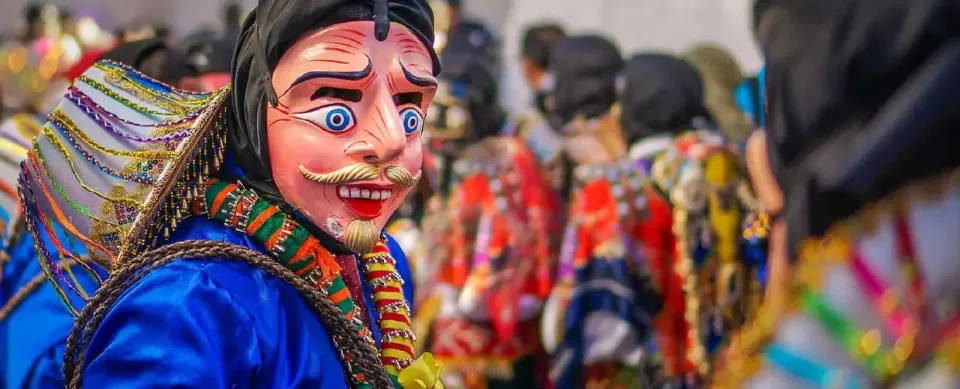
- What to see: Elaborate masks and costumes used in the traditional dances (Capaq Negro, Saqra, etc.). It’s a riot of color and symbolism.
17. Museo del Meteorito | Urubamba
A private and unique collection in the heart of the Sacred Valley.
- What to see: Real meteorites that have fallen in Peru and around the world. It’s an interactive experience that connects Andean astronomy with modern science.
18. Museo de la Papa | Potato Park, Pisac
More than a building, this is a “living museum.” Located in the high-altitude community of Amaru.
- Experience: You can learn about the 1,300+ varieties of native potatoes. It’s a sensory museum where you can taste the history of the Andes.
Specialty Museums for the Curious Traveler
19. Museo de Plantas Sagradas, Mágicas y Medicinales
Located near the Plaza de Armas, this museum explores the relationship between Andean people and plants like San Pedro, Ayahuasca, and Coca.
- What to see: Detailed botanical illustrations and explanations of the spiritual uses of these plants in shamanic rituals.
20. Centro de Textiles Tradicionales del Cusco | CTTC
This is both a museum and a non-profit organization dedicated to preserving 2,000-year-old weaving traditions.
- What to see: Exquisite textiles from different provinces like Accha and Chumbivilcas. You can see the master weavers at work right in the courtyard.
21. Museo del Café | Coffee Museum
Peru is one of the world’s top exporters of organic coffee, and much of it comes from the Cusco jungle (Quillabamba).
- What to see: The history of coffee cultivation in Peru and a tasting room where you can learn to distinguish different “profiles” of Cusco coffee.
The Art of Andean Weaving: Textile Museums in Cusco
Cusco’s history is not only written in stone but also in threads. The textile tradition in the Andes dates back thousands of years, and several specialized museums are dedicated to preserving these techniques.
22. Centro de Textiles Tradicionales del Cusco | CTTC
Located in Avenida El Sol, this center is a must. It’s not just a shop; it’s a living museum where you can see weavers from different communities (like Chinchero or Accha Alta) practicing ancestral techniques.
- What to see: The evolution of textile patterns and natural dyeing processes using insects (cochineal) and plants.
23. Museo Máximo Laura
A world-renowned master weaver whose work has been exhibited globally. His museum in Cusco showcases contemporary Andean tapestry that blends traditional techniques with modern, vibrant designs.
- What to see: Large-scale tapestries that look like woven paintings.
24. Awana Kancha | The Palace of the Weaver
Located on the road to the Sacred Valley, this is an interactive farm and museum.
- What to see: The four types of South American camelids (Alpaca, Llama, Guanaco, and the rare Vicuña). You can watch the entire process from shearing to the final garment.
25. Sulca Textiles Museum
A hidden gem that offers a detailed look at the reconstruction of ancient Paracas and Nazca weaving techniques, which were far more complex than modern ones.
Cusco is the heart of Andean weaving. If you want a deeper look at the symbolism and history of these ancient threads, read our specialized article on Textile Museums in Cusco.
Archaeological Site Museums | Southern Valley & Machu Picchu Area
To reach our goal of 30 museums, we must include the essential site museums located at the ruins themselves.
26. Manuel Chávez Ballón Site Museum | Machu Picchu
Located at the base of the mountain (Aguas Calientes), this museum is often overlooked but essential.
- Why visit: It explains the excavation of Machu Picchu and shows the construction tools used by the Incas.
27. Pikillacta Site Museum | South Valley
This museum focuses on the Wari culture (pre-Inca). It is located at the entrance of the Pikillacta archaeological site.
- What to see: Turquoise figurines and large-scale urban models of this ancient “pre-Inca city.”
28. Museo de la Convención | Quillabamba
If you are taking an adventure tour to the jungle (Inka Jungle Trek), this museum in Quillabamba offers a look at the history of the Cusco Amazon and its connection to the Andes.
29. Raíces del Inca Museum Urubamba
A private collection in the Sacred Valley that focuses on the transition between the Inca and the Colonial era through ceramics and metalwork.
30. Museo de los Pueblos de Paucartambo
As mentioned before, this is the center of Andean folklore. Its collection of masks is the largest of its kind in Peru.
Explore Beyond Cusco: Museums in Peru
Cusco is just the beginning. If you are planning a multi-city journey, Peru offers world-class museums in Lima and Arequipa that complement your experiences in the Andes.
Planning a wider journey? Check out our guide to the Top Museums in Peru to discover the Larco Museum in Lima and the Santa Catalina Monastery in Arequipa.
Want to see more? The Selection
We know that visiting 30 museums is a challenge for any traveler. If you have limited time and want to focus on the absolute “must-sees,” we have done the hard work for you.
Short on time? Don’t miss our curated list of the 5 Best Museums in Cusco. We’ve selected the most iconic locations that you can easily visit in 24 to 48 hours without feeling overwhelmed.
Experience-Based Visits: Which Museum is for You?
When planning your itinerary for museums in Cusco, you should consider your travel style. Not all museums are built the same; some are high-tech, while others are historical houses.
For the Luxury Traveler
If you appreciate fine curation and exclusive settings, focus on:
- MAP | Museo de Arte Precolombino: Features a high-end restaurant in its courtyard (MAP Café), perfect for a candlelit dinner after seeing the gold collections.
- Monasterio de Santa Catalina: Its silent cloisters and gold-leaf altars provide an atmosphere of serene exclusivity.
For the Adventure & Trekking Enthusiast
After a 4-day hike on the Inca Trail or Salkantay, your body needs rest but your mind is still hungry for more.
- ChocoMuseo: A fun way to relax while making your own chocolate truffles.
- Museo Casa Concha: Seeing the artifacts you just learned about at Machu Picchu helps “close the loop” of your adventure.
For Families with Children
Keep the kids engaged with interactive stops:
- Planetarium Cusco: While technically an observatory, it functions as a cultural museum explaining how the Incas saw the “Dark Constellations” in the Milky Way.
- Museo de Arte Popular: The colorful and sometimes whimsical figurines (like the famous long-necked angels by Hilario Mendívil) are a hit with younger visitors.
Essential Travel Tips for Your Cultural Visit
To make the most of your visits to the museums in Cusco, keep these technical details in mind:
Altitude and Physical Effort
Cusco sits at 3,400 meters (11,152 ft).
- Walking: Most museums in Cusco center are within walking distance, but the streets are steep and cobblestoned. Take it slow during your first two days.
- Rest: Museums like the MAP or Casa Garcilaso have beautiful courtyards where you can sit, hydrate, and acclimatize while still enjoying the history.
Weather and Clothing
Cusco has two seasons: Dry (May-Oct) and Rainy (Nov-April).
- In-Museum Temperature: Old colonial buildings can be very cold inside, even if it’s sunny outside. Always wear layers.
- Sun Protection: If you are visiting the site museums in the Sacred Valley, the sun is much stronger. Wear a hat and use sunscreen.
How Many Days Should You Stay?
To cover the “Big 5” museums and a few provincial gems, we recommend at least 3 to 4 days in Cusco before or after your visit to Machu Picchu. This allows you to visit two museums per day without feeling “museum fatigue.”
Tours That Include Cusco Museums
At Peru Grand Travel, we believe that a guide is the bridge between a stone and a story. Most of our curated tours include guided visits to these iconic locations:
- Cusco City Tour: Includes the Cathedral and Qorikancha (Temple of the Sun).
- Sacred Valley VIP: Includes the site museums of Chinchero and Ollantaytambo.
- Southern Valley Tour: A journey to the “Sistine Chapel of America” in Andahuaylillas and the archaeological site of Tipón
Frequently Asked Questions | FAQ
1. Are museums in Cusco open on Sundays?
Most major museums (Cathedral, Qorikancha, MAP) are open on Sundays, but some community museums in the provinces may have reduced hours.
2. Can I take photos inside the museums?
In many religious museums (like the Cathedral or Santa Catalina), photography is strictly prohibited to protect the artwork. Always check for signs or ask the staff.
3. Is the Cusco Tourist Ticket worth it?
Absolutely. If you plan to visit at least three sites (like the Historical Regional Museum, Qorikancha Site Museum, and any ruin), the ticket pays for itself.
4. Are there English-speaking guides available?
Most major museums have in-house guides who speak English, or you can book a private tour with us for a more personalized experience.
5. Is there a discount for students or children in Cusco museums?
Yes, most museums in Cusco offer significant discounts for students and minors. To claim a student discount, you must present a valid ISIC card (International Student Identity Card). A regular university ID is often not enough for international travelers. Children under 18 usually pay a reduced fee, and children under 3 or 5 (depending on the museum) often enter for free. Always carry a physical copy or original of your passport to prove age.
6. Are museums in Cusco wheelchair accessible?
Accessibility is a challenge in Cusco due to the historic nature of the buildings and the cobblestone streets. However, modern museums like the MAP (Pre-Columbian Art Museum) and the Inca Museum have made significant efforts to provide ramps and accessible areas on their ground floors. Unfortunately, many colonial convents and houses have narrow staircases and no elevators to reach the second floor. If you have mobility concerns, we recommend visiting the MAP or the Qorikancha, which are the most accessible.
7. Can I visit any museums in Cusco for free?
While most major historical sites require the Boleto Turístico or an individual ticket, there are a few “hidden gems” with free entry. The ChocoMuseo and the Coffee Museum offer free admission to their historical exhibits (charging only for workshops or consumption). Additionally, some small contemporary art galleries in the San Blas neighborhood are free to the public. Occasionally, on International Museum Day (May 18th), many state-run museums offer free entrance to everyone.
8. What is the best time of day to visit the museums to avoid crowds?
To enjoy a quiet experience, we recommend visiting museums during the lunch hour (between 1:00 PM and 2:30 PM) or immediately after they open (usually at 8:00 AM or 9:00 AM). Most tour groups visit the Cathedral and Qorikancha in the late afternoon, so morning visits are generally more peaceful. The MAP museum is also quite magical to visit just before closing time, when the courtyard lighting creates a beautiful atmosphere.
9. Do I need to book museum tickets in advance?
For 95% of the museums in Cusco, you do not need to book in advance. You can simply walk up to the entrance and buy your ticket or show your Boleto Turístico. The only exceptions are during high-level international events or if you are booking a specialized private tour with a workshop (like a chocolate class or a private curator-led visit). For the general traveler, flexibility is key!
10. What is the most important museum in Cusco?
While subjective, most historians agree that the Museo Inka and Qorikancha are the most important for understanding the Inca Empire, while the Cathedral is the most important for colonial history.
11. Is it better to visit museums before or after Machu Picchu?
We highly recommend visiting at least the Inca Museum or Casa Concha before your trip to Machu Picchu. It will give you the necessary context to appreciate the ruins much more deeply.
The Soul of Cusco Awaits
The museums in Cusco are more than just buildings with old objects; they are the guardians of a legacy that refused to be forgotten. From the golden halls of the Inca to the intricate canvases of colonial masters, every museum offers a piece of the puzzle that is Peru.
Whether you are a history buff, an art lover, or a curious traveler, these 30+ locations will transform your trip from a simple vacation into a profound cultural odyssey.
We invite you to explore our Peru packages. Your experience in Peru is just one step away. Contact us now and start living the unique adventure you’ve always dreamed of.
More information:
- Visit our content in Spanish: Museum Guide in Cusco
- Visit our content in Portuguese: Museum Guide in Cusco