

What to wear to Machu Picchu, based on weather and season. From layering to rain gear for the wet months. Everything you need before your visit!
What should you wear to Machu Picchu? Choose lightweight, breathable clothes, comfortable walking shoes with good traction, and a packable waterproof jacket or poncho. Machu Picchu sits in a cloud-forest environment, where conditions can shift from cool and misty to sunny or rainy during the same visit. Wearing layers makes it easier to adapt without carrying a heavy bag.
Whether you're planning a guided visit to the Inca citadel, a day trip from Cusco, or a longer hiking adventure, this guide explains what to wear to Machu Picchu in each season, which shoes to choose, what to leave behind, and what you can take through the entrance.
What Should You Wear to Machu Picchu? The Quick Answer
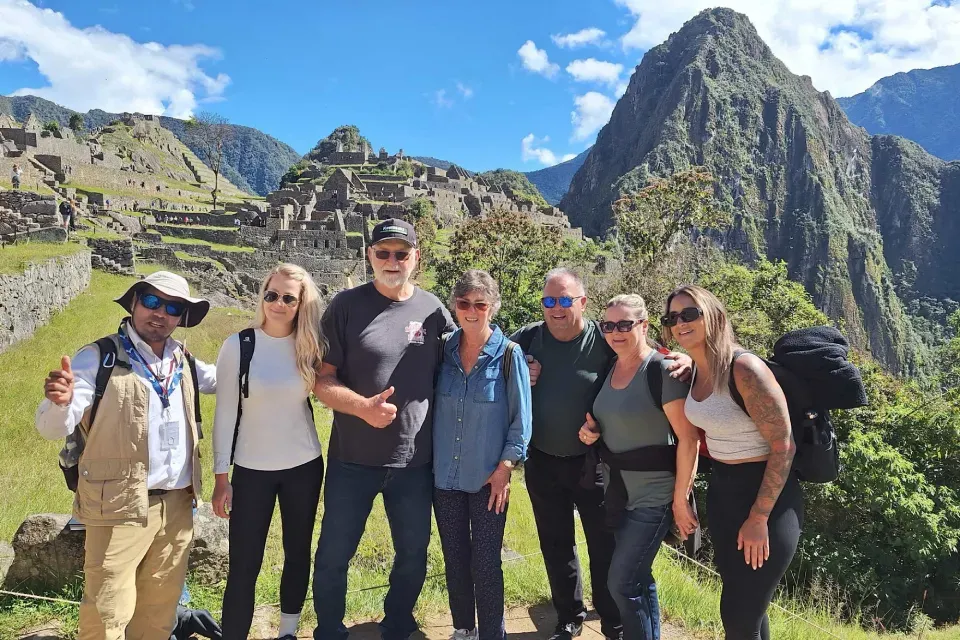
For most visitors exploring Machu Picchu on a standard guided circuit, this outfit offers a practical balance of comfort and weather protection:
- Top: a breathable, moisture-wicking T-shirt or long-sleeve shirt.
- Bottom: lightweight hiking pants or flexible, quick-drying trousers.
- Extra layer: a thin fleece or light insulating jacket for early departures.
- Rain protection: a lightweight waterproof jacket or rain poncho, even in drier months.
- Shoes: broken-in walking shoes or trail sneakers with non-slip soles.
- Accessories: sun hat, sunglasses, sunscreen and a small daypack.
Local planning tip: Your day may begin in cooler Cusco or Ollantaytambo before you arrive at the warmer, more humid Machu Picchu area. Dress for the whole journey, not only the conditions at the entrance.
What Is the Weather Like at Machu Picchu?
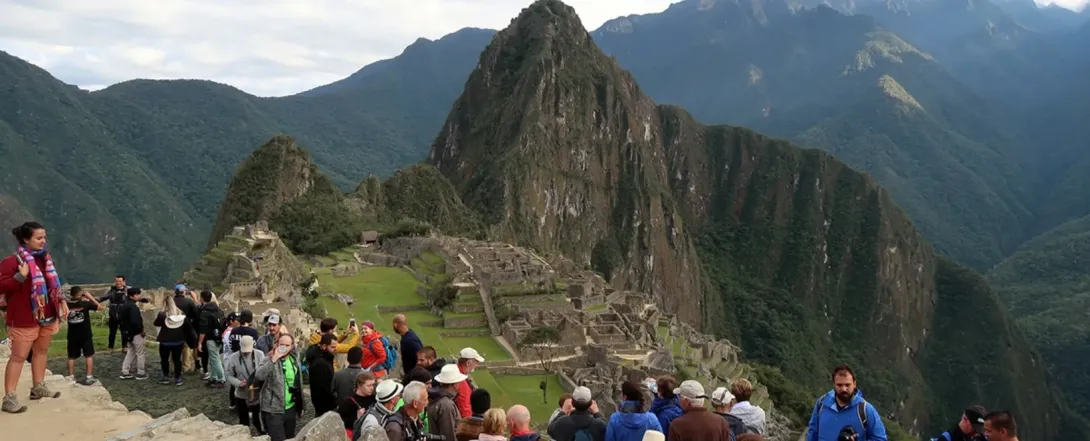
Machu Picchu is approximately 2,430 meters (7,970 feet) above sea level, lower than the city of Cusco. Its cloud-forest setting means that sunshine, mist, humidity and showers are all possible. Temperatures vary with the time of day, the season and current weather conditions, so check the forecast shortly before traveling rather than relying on a single average.
The area generally has two broad weather patterns:
- Drier months (roughly April to October): often clearer skies and less frequent rainfall, although showers can still occur. An early start can feel cool.
- Rainier months (roughly November to March): more frequent showers, mist and damp trails. December through March are especially important months for rain protection.
For a fuller month-by-month explanation, read our guide to the best time to visit Machu Picchu.
What to Wear to Machu Picchu by Season
| Item | Drier months (Apr–Oct) | Rainier months (Nov–Mar) |
|---|---|---|
| Shirt | Breathable T-shirt or sun-protective long sleeve | Quick-drying base layer |
| Pants | Lightweight flexible pants | Quick-drying pants; water resistance helps |
| Outer layer | Light fleece plus packable rain layer | Waterproof jacket or rain poncho |
| Footwear | Grippy walking or trail shoes | Grippy, preferably water-resistant trail shoes |
| Accessories | Hat, sunglasses, sunscreen | Hat, sunscreen, rain protection for essentials |
Seasonal advice is a general guide, not a guarantee of the conditions on your visit date.
Clothing for Machu Picchu During the Drier Season (April to October)
During the drier months, the sun may feel strong once the clouds clear, but early departures can still be chilly. Wear a breathable short- or long-sleeve shirt, comfortable lightweight pants and walking shoes with good grip. A light fleece is useful for early starts and transit; keep a compact rain jacket in your bag because occasional rain is possible year-round.
Extra tip: Sun protection matters even when the air feels cool. A brimmed hat, sunglasses and sunscreen are valuable additions.
Clothing for Machu Picchu During the Rainier Season (November to March)
In the wetter months, prioritize quick-drying fabrics, a waterproof outer layer and shoes that grip wet stone. Choose flexible water-resistant pants over heavy denim, and wear comfortable socks that help manage moisture. A compact poncho can provide useful coverage, but make sure you can move safely and see each step while wearing it.
Extra tip: Keep your documents and phone inside a waterproof pouch. If you are traveling from Cusco, carry a dry change of clothes for after the visit rather than taking unnecessary items into the archaeological site.
Best Shoes for Machu Picchu: Sneakers or Hiking Boots?
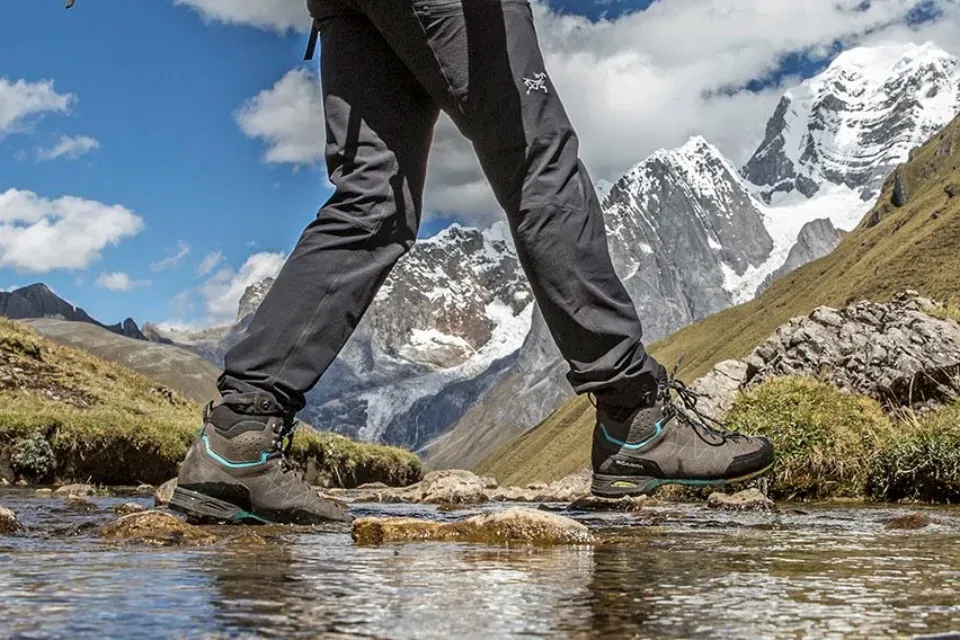
For a standard guided tour around the citadel, comfortable sneakers or trail-running shoes with reliable grip are usually sufficient. The route includes uneven stone surfaces and steps, so avoid smooth soles, loose sandals and new shoes that have not been worn in.
Hiking shoes or boots are a better choice if you are doing a longer hike, carrying additional gear, or prefer more support on steep terrain. They are particularly useful for treks such as the Short Inca Trail 2-day hike or the Classic Inca Trail 4-day trek. However, the fit, traction and familiarity of your shoes are more important than the label on the footwear.
- Standard citadel visit: supportive walking shoes or trail sneakers with non-slip soles.
- Rainy-day citadel visit: trail shoes with good wet-surface traction; water resistance can help.
- Extended mountain trek: supportive hiking footwear suited to your route and hiking experience.
Important: Machu Picchu's official rules prohibit high heels and hard-soled shoes that could damage the site or make walking unsafe.
What Not to Wear to Machu Picchu
The goal is not to buy expensive specialist gear. It is to avoid clothes that limit movement, remain wet for too long or make the stone paths harder to navigate.
- Heavy jeans: they can feel restrictive and take longer to dry after rain. Lightweight pants are usually more practical.
- Brand-new shoes: unfamiliar footwear can cause blisters during a day of steps and walking.
- High heels or hard-soled shoes: these are prohibited under the site's official visitor rules.
- Thick cotton layers: cotton can retain moisture and feel uncomfortable in humid weather; quick-drying fabrics work better.
- Bulky coats: several lighter layers are easier to adjust as the weather changes.
- Clothes intended as costumes or promotional outfits: the official code of conduct restricts costumes and clothing intended for advertising purposes.
Shorts are not automatically prohibited for ordinary visitors, but lightweight long pants offer more coverage from sun, insects and vegetation. Choose based on the weather and your own comfort.
Machu Picchu Packing Checklist: What to Bring
Keep your daypack small and carry only essentials. You can use this checklist while preparing your Machu Picchu full-day tour:
- Entry ticket and the identification document used for your reservation.
- Train and bus tickets or confirmations, if required for your itinerary.
- Lightweight waterproof jacket or poncho.
- Comfortable walking shoes with good traction.
- Sun hat, sunglasses and sunscreen.
- A small water bottle, used responsibly and in accordance with local instructions.
- Phone or compact camera, with a charged battery.
- Waterproof pouch for documents and electronics.
- Any essential personal medication in its usual packaging.
Eat before entering: Food is prohibited inside the Machu Picchu archaeological site, so do not pack snacks to eat during the visit. Plan your meal for before entry or after you leave.
What Can You Bring Into Machu Picchu? Official Visitor Rules
Before leaving for the entrance, check the official Machu Picchu code of conduct published by the Peruvian authorities. These rules protect both visitors and the historic site.
Official backpack size limit: Bags, backpacks or purses larger than 40 × 35 × 20 cm (approximately 16 × 14 × 8 inches) are prohibited. Choose a compact daypack rather than a large hiking backpack.
The published rules also prohibit:
- Food and kitchenware inside the archaeological site.
- Umbrellas, tripods, selfie sticks and similar filming supports.
- Drones, alcohol, smoking and vaping.
- Aerosols, sharp objects and weapons.
- Walking sticks, except where a specific permitted accessibility exception applies under the applicable rules.
Wear a waterproof jacket or poncho rather than bringing an umbrella. If you need mobility assistance or specialized equipment, confirm the current requirements with the responsible authorities or your tour operator before your visit. Rules may be updated.
What to Wear in Cusco vs. Machu Picchu
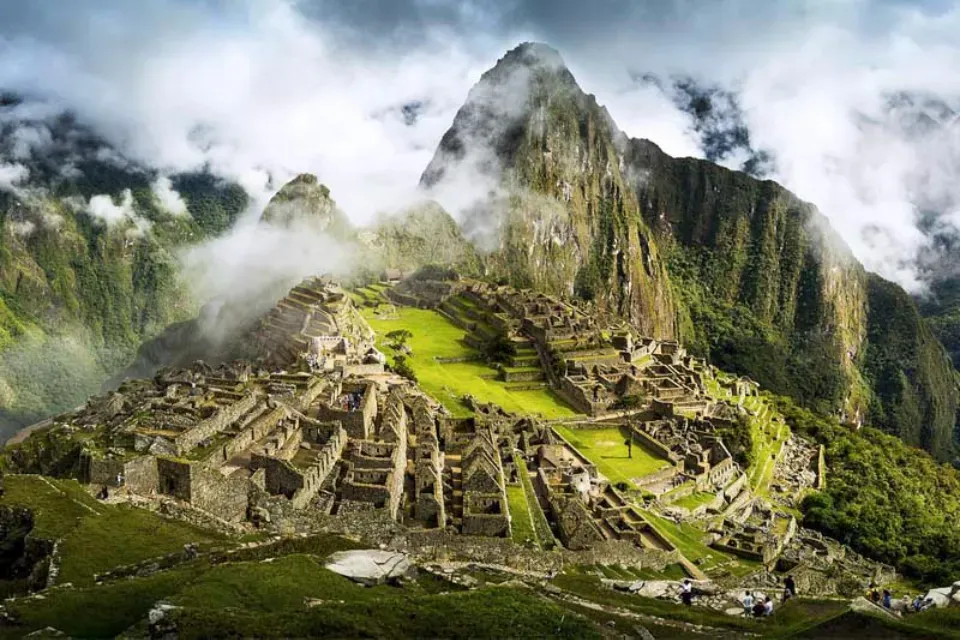
Many travelers visit Cusco before taking the train to Machu Picchu, but the two locations do not feel the same. Cusco is higher in elevation and often colder in the early morning and evening, while Machu Picchu is lower, greener and typically more humid.
Clothing for Cusco
- Warm jacket or fleece for cold mornings and nights.
- Short- and long-sleeve shirts for layering.
- Comfortable pants and walking shoes for cobblestone streets.
- Scarf, warm hat and gloves during particularly cold periods, especially May through August.
- Sunglasses and sunscreen for sunny afternoons.
Clothing for Mountain Treks Around Cusco
If your itinerary includes the Inca Trail, mountain passes or other high-altitude hikes, pack separately for those conditions. Add moisture-wicking base layers, a waterproof and wind-resistant shell, hiking pants, reliable trekking footwear, spare socks and warmer layers appropriate to your trek. Higher routes can be much colder than the Machu Picchu citadel itself.
For broader trip preparation, see our guide to planning a Machu Picchu trip.
Frequently Asked Questions About What to Wear to Machu Picchu
1. What should I wear to Machu Picchu?
Wear a breathable top, flexible quick-drying pants, comfortable shoes with good grip and a light waterproof layer. Add a hat, sunglasses and sunscreen, and keep your backpack compact.
2. Can I wear sneakers to Machu Picchu?
Yes. Comfortable sneakers with grippy soles can work well for the standard archaeological visit. Trail shoes may offer better traction on wet stone, and longer hikes may call for more supportive hiking footwear.
3. Do I need hiking boots for Machu Picchu?
Not necessarily for a standard guided citadel circuit. Hiking shoes or boots can be helpful for extended trails and more demanding mountain routes, but the right fit and reliable traction matter most.
4. Can I wear jeans to Machu Picchu?
Yes, but lightweight, quick-drying pants are usually more comfortable. Denim can become heavy when wet and dries slowly if the weather changes.
5. Can I wear shorts to Machu Picchu?
Shorts are generally possible for a regular visit, provided they are appropriate and comfortable. Many visitors prefer long, lightweight pants for additional coverage from sunshine, insects and changing weather.
6. What should I wear to Machu Picchu in December?
December falls within the rainier part of the year. Wear quick-drying layers, grippy walking shoes and a waterproof jacket or poncho. Protect your documents from rain and check the forecast close to departure.
7. Should I bring a rain jacket to Machu Picchu?
Yes. A lightweight rain jacket or poncho is useful throughout the year because showers and mist can occur even in the drier season. Umbrellas are prohibited inside the archaeological site.
8. What size backpack can I bring to Machu Picchu?
The official code of conduct prohibits bags larger than 40 × 35 × 20 cm. A compact daypack is best for essentials. Check the official visitor rules shortly before your visit.
Plan Your Machu Picchu Visit With Peru Grand Travel
The best Machu Picchu outfit is simple: comfortable shoes, breathable layers, reliable rain protection and a few essentials. Preparing for the weather helps you focus on the Inca architecture, mountains and experience rather than on uncomfortable clothing.
At Peru Grand Travel (PGT), our Cusco-based team helps travelers plan experiences that suit their pace and interests. If you're organizing your first visit or combining Machu Picchu with other Peruvian destinations, explore our Machu Picchu tour packages or contact our team for guidance on your itinerary.
Travel information: Clothing recommendations are practical guidance. Entry restrictions are based on the official Machu Picchu code of conduct; confirm the latest conditions and rules before traveling. Official source: Machu Picchu Code of Conduct.