

Understanding the weather in Puno is essential for planning a comfortable and rewarding trip. Located on the shores of Lake Titicaca at over 3,800 meters
Puno sits on the shores of Lake Titicaca, more than 12,500 feet (3,800 meters) above sea level. That altitude shapes the experience: you can enjoy bright sunshine during the day and still need a warm jacket as soon as the sun goes down. If you are deciding when to visit, understanding the weather in Puno, Peru, will help you plan boat trips, pack the right clothes, and make the most of your time by the lake.
The simplest way to plan is to think in two seasons: a drier period, generally from May through October, and a wetter period, generally from November through April. These are seasonal patterns, not guarantees for any particular day.
What is the weather like in Puno?
Puno has a cool, high-altitude climate with significant changes between daytime and nighttime temperatures. Typical daytime highs are often around 55–65°F (13–18°C), while nights can be close to freezing during the colder months. June and July are especially cold after dark. The city and the islands can feel different because wind and exposure on Lake Titicaca affect how cold it feels.
Sun protection is important even when the air feels chilly. At this elevation, the sunlight can be intense, while clouds, wind, and rain can change the conditions you experience on the same day.
Important: These temperatures describe typical conditions, not a forecast. Check the weather shortly before your trip, particularly if you have a boat excursion or an overnight stay on an island.
Dry season in Puno: May to October
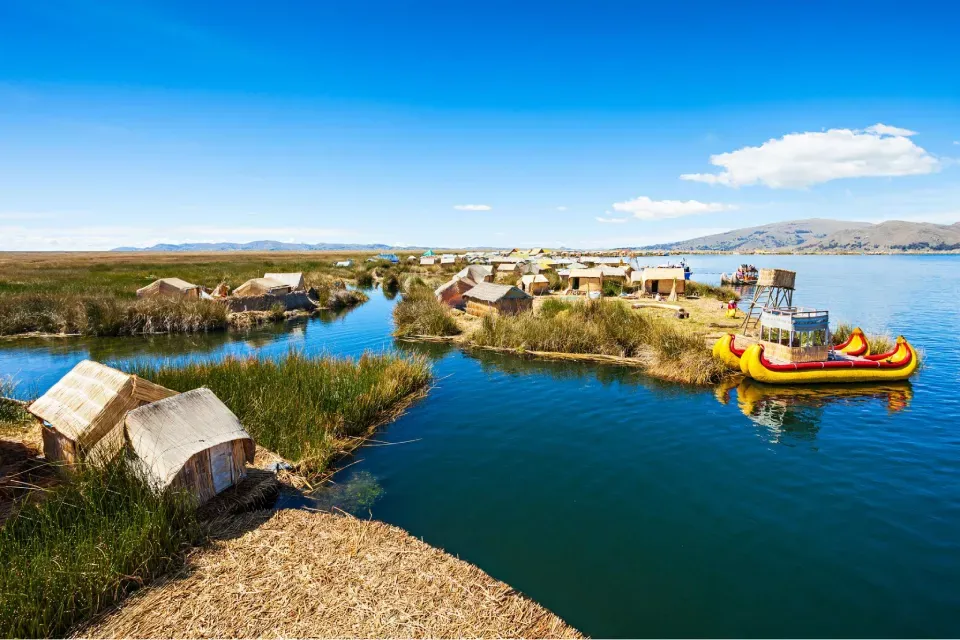
The dry season usually brings more clear days and less rainfall. This makes it a popular time for exploring the city, taking photographs, and visiting the Uros floating islands or Taquile Island. However, dry weather does not mean warm weather: June through August can be particularly cold at night and early in the morning.
If your priority is sightseeing with a lower chance of rain, May, September, and October can offer a useful balance. You should still pack layers and allow some flexibility for changing conditions on the lake.
Rainy season in Puno: November to April
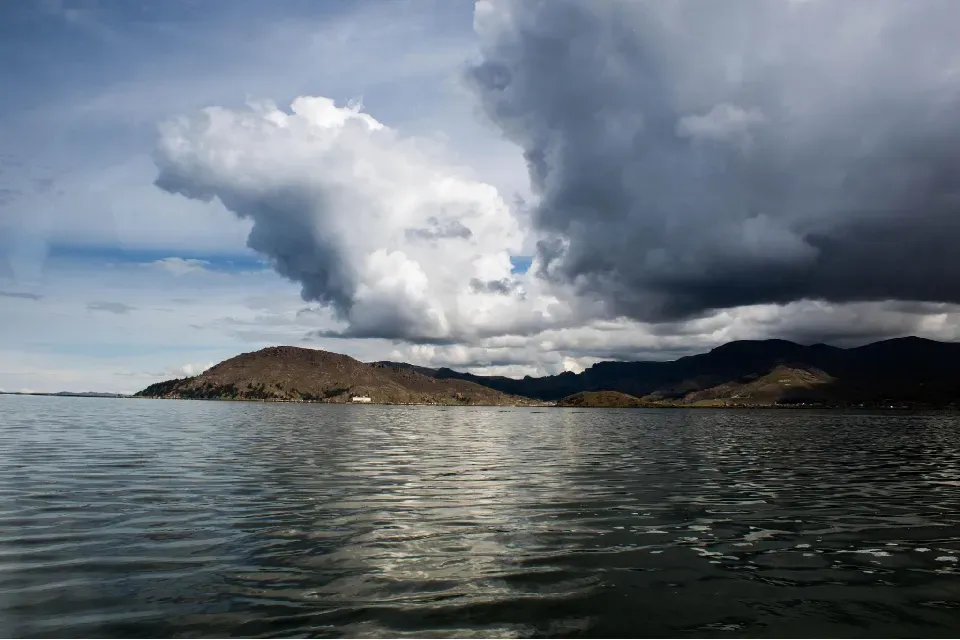
Rain is more frequent in the austral summer, particularly around January and February. Landscapes become greener, and cloud cover is more common. A rainy-season trip is still possible, but a waterproof jacket, shoes with good grip, and a flexible schedule are especially useful.
Do not assume that it rains all day or that every morning will be clear. Rainfall and wind vary, and boat trips may need to change because of actual lake conditions.
Weather in Puno by month
This month-by-month guide summarizes the usual pattern rather than predicting specific temperatures or rainfall for your travel dates.
| Month | Typical conditions | What to plan for |
|---|---|---|
| January | Rainy, greener landscapes | Waterproof clothing and flexible excursions |
| February | Among the wettest months | Rain protection and Candelaria festivities |
| March | Rain often begins to ease | A mix of showers and clearer periods |
| April | Transition toward drier weather | Layers and a light rain shell |
| May | Drier, clear days; colder nights | Outdoor visits and warm evening clothes |
| June | Dry and very cold at night | Thermal layers and gloves |
| July | Dry, sunny, freezing nights possible | Warm clothing for mornings and nights |
| August | Mostly dry, cool and sometimes windy | Windproof outer layer for the lake |
| September | Generally dry; nights remain cold | Sightseeing and adjustable layers |
| October | Transition; occasional showers | Sun protection and rain layer |
| November | Rain becomes more frequent | Flexible lake activities |
| December | Wetter, with relatively milder nights | Waterproof gear and warm layers |
What is the best time to visit Puno and Lake Titicaca?
May to September is a good choice for travelers who prioritize drier weather and clearer views. If you would rather avoid the coldest nights, consider the shoulder months around April, May, September, or October, while recognizing that transition months can still bring rain.
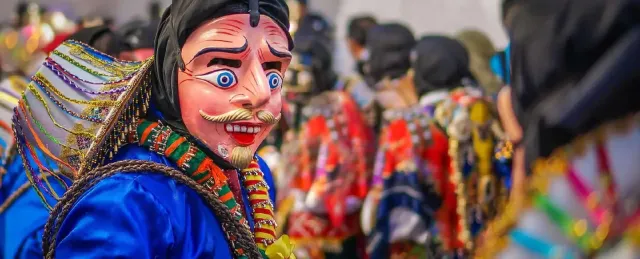
February is different: the Virgen de la Candelaria celebrations make it a major cultural travel period, but they take place during the rainy season. If your trip revolves around the festivities, plan for both crowds and changing weather.
How does the weather affect Lake Titicaca boat tours?
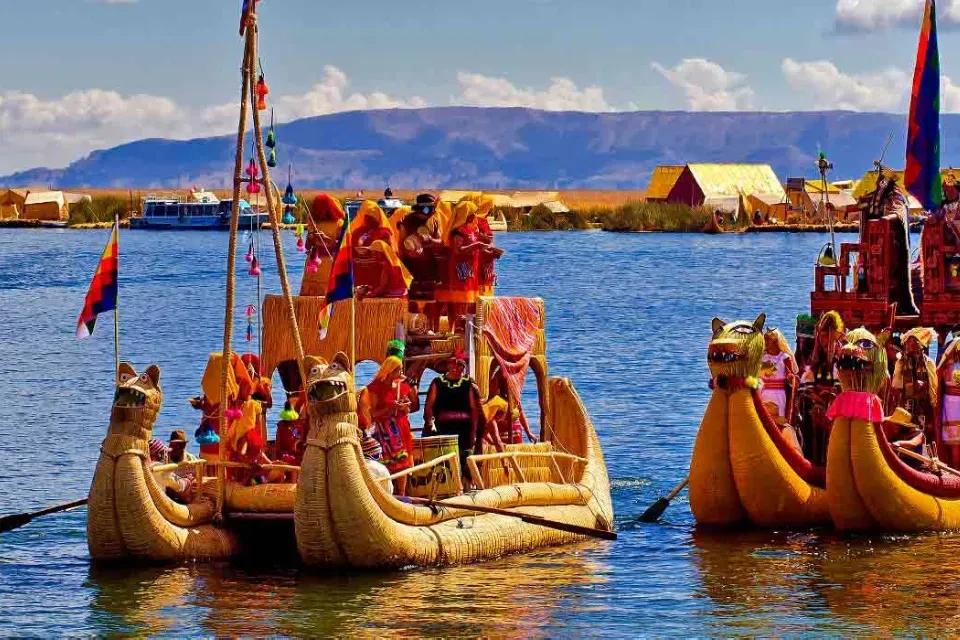
Lake Titicaca excursions depend on more than rainfall. Wind, visibility, and local navigation conditions can affect departures in any season. A sunny morning does not guarantee calm water for the entire trip. Carry a warm layer even if you leave the hotel under clear skies, and keep electronics protected from spray or rain.
For ideas on places to visit, read our guide to things to do in Lake Titicaca or explore the wider Puno destination guide.
What to wear in Puno in the dry and rainy seasons
Pack for temperature swings rather than dressing for one fixed daytime temperature. A practical clothing system includes:
- Base layer: a breathable shirt and, in colder months, thermal clothing.
- Mid-layer: a sweater or fleece for cooler mornings.
- Outer layer: a warm, wind-resistant jacket; use a waterproof shell during the rainy season.
- Accessories: a warm hat and gloves, especially from June to August.
- Footwear: comfortable shoes with grip for streets, docks, and island paths.
- Sun protection: sunglasses, sunscreen, and a brimmed hat year-round.
Travel tip: If you are staying overnight on an island, ask your accommodation about heating and extra blankets. Rooms can feel cold after sunset even when the day has been sunny.
Does Puno's altitude affect your visit?
Yes. Puno is at a higher elevation than Cusco, and some travelers may experience altitude-related symptoms. Plan a gentle first day, avoid strenuous activity immediately after arriving, and allow time to acclimatize. If symptoms are severe or worsen, seek medical care rather than assuming they are simply caused by cold weather.
If you are organizing a broader Peru itinerary, you may also find our guide on how to get to Puno useful.
Frequently asked questions about Puno weather
Is Puno cold all year?
Yes, especially after dark. Even in the wetter, slightly milder months, evenings can be chilly because Puno sits above 12,500 feet (3,800 meters).
What are the coldest months in Puno?
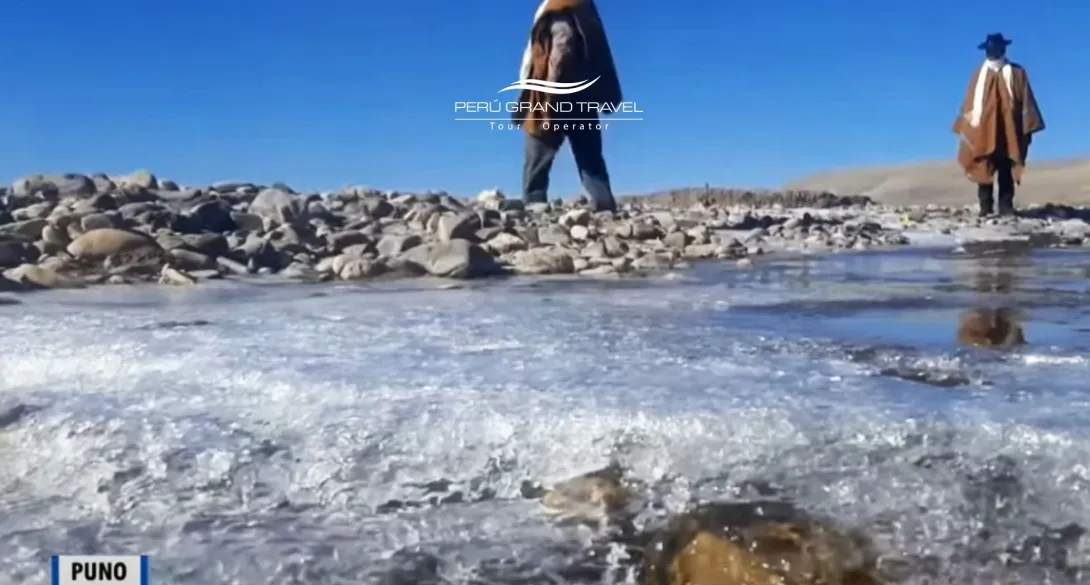
June and July are generally among the coldest, particularly at night and early in the morning. Frost is possible during the dry season.
Does it snow in Puno?
Snow is unusual in central Puno. Frost is more common during cold, dry-season mornings, while higher areas of the region can experience different conditions.
Can you visit Lake Titicaca during the rainy season?
Yes. Tours can operate throughout the year, but rain, wind, and visibility may affect schedules. Check local conditions and keep your itinerary flexible.
Which month is best for visiting Puno?
There is no single best month for everyone. May through September generally suits visitors seeking drier weather, while February appeals to travelers interested in Candelaria celebrations despite the rain.
Plan your visit to Puno
If you would like to include Puno and Lake Titicaca in a longer trip, explore our Peru travel packages. The Gastronomic and Historic Peru 10-day itinerary combines several destinations with a visit to the Lake Titicaca region. Choose your dates with the weather in mind, but leave room for the culture and experiences that make Puno worth the journey.