


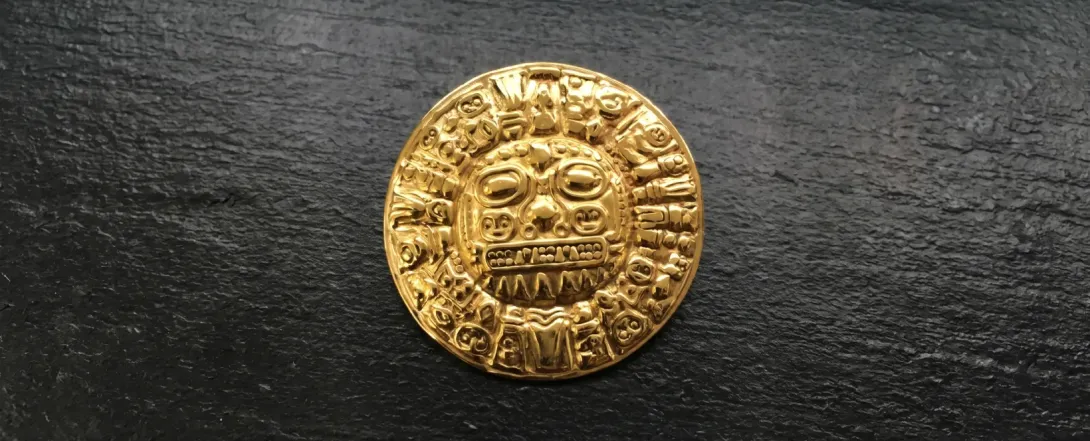
Discover the Sun of Echenique, Cusco's pre-Inca golden disc. Explore its history, symbolism, return to Peru in 2021, and connection to Inca sun traditions.
Deep within Peru's ancient traditions, the image of a golden sun stands out as one of the most recognizable symbols of Andean culture. One of the objects associated with that image is the Sun of Echenique, also called the Echenique Disc or Sol de Echenique. Unlike the legendary golden sun disc said to have adorned Cusco's Qorikancha temple, the Sun of Echenique is a real pre-Inca artifact. It was returned to Peru in 2021 after spending more than a century in a museum collection in the United States.
Its meaning still raises fascinating questions. Who created it? What do its intricate symbols represent? And why did Cusco adopt its image as a symbol of the city? Exploring those questions takes us through ancient metallurgy, stories of the Inca sun god Inti, and the continuing importance of cultural heritage in Peru.
What Is the Sun of Echenique?
The Sun of Echenique is a small, circular pre-Hispanic metal ornament, approximately 13.5 centimeters (5.3 inches) in diameter. It is made of an alloy containing about 90% gold, 5% silver, and 5% copper. Rather than being a massive disc of solid gold, it is a thin, carefully worked piece that specialists have described as a possible chest ornament.
Although it is frequently called an Inca sun disc or golden sun disk, its archaeological attribution is earlier than the Inca Empire. Peruvian cultural authorities have associated it with the Marcavalle or Chanapata traditions, while questions about its precise origin and symbolic meaning remain open to research.
Description and Characteristics of the Golden Disc
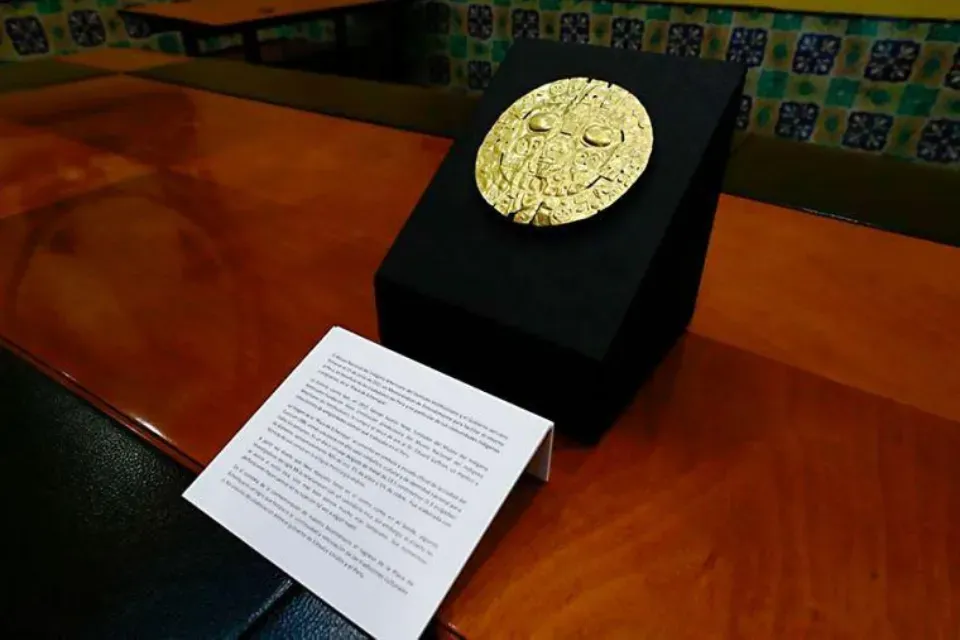
What makes the Echenique Disc remarkable is not its size but its detailed design. Ancient Andean artisans knew how to shape precious metals by hammering and heating them, creating objects that could express identity, status, and ceremonial importance. Its golden surface and carefully arranged motifs have invited interpretations involving the sun, spirituality, and the wider Andean worldview.
Still, the exact purpose of the ornament is not established. It is best understood as an extraordinary example of ancient Andean metalwork rather than as a proven astronomical instrument or an object known to possess supernatural powers.
Cultural Importance in Andean History
For many Andean societies, precious metal objects carried meanings beyond material value. Gold later became particularly associated with the sun in Inca religious traditions, while sacred places, ancestral memory, and ceremonial practices helped communities express their relationship with the natural world. You can explore how those beliefs took shape at different sites in our guide to temples in Peru.
Today, the Sun of Echenique connects that long history with modern Cusco. Its image has become a familiar emblem of the city, even though the artifact itself predates Inca rule.
History and Origins of the Echenique Disc
Why Is It Called the Sun of Echenique?
The name comes from the historical association with José Rufino Echenique, president of Peru in the nineteenth century. During a visit to Cusco between 1851 and 1853, Echenique received a collection of gold objects. The disc later became known by his name.
How Did the Disc Reach the United States?
The documented history of the object includes its acquisition in 1912 by George Gustav Heye, founder of the Museum of the American Indian, from German physician and antiquities collector Eduard Gaffron. It subsequently formed part of collections and exhibitions associated with the Smithsonian's National Museum of the American Indian.
This history is very different from the popular story of Inca priests hiding a large golden sun disc during the Spanish conquest. The Echenique Disc did not vanish into a secret chamber: its location was documented, and the process of bringing it home became an important cultural milestone.
How the Sun of Echenique Returned to Peru in 2021
After years of coordination between Peruvian authorities and the Smithsonian, the two parties signed an agreement in June 2021 to facilitate the disc's return. Peru's Ministry of Culture subsequently declared the piece part of the country's Cultural Heritage, and the artifact returned to Cusco.
Its repatriation mattered for more than archaeological study. It returned a recognized symbol of the city's identity to Peru and highlighted the role of cultural institutions and Indigenous communities in decisions about heritage.
The Sun of Echenique vs. the Legendary Inca Sun Disc
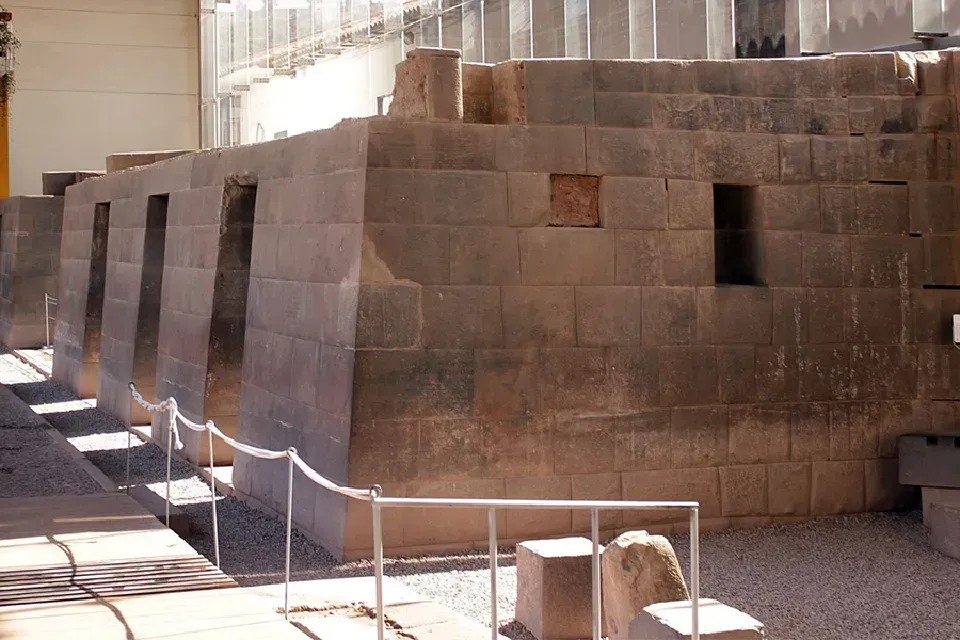
Stories about a golden sun disc in the Temple of the Sun, or Qorikancha, are a compelling part of the popular imagination surrounding the Incas. Qorikancha was indeed one of the most important religious centers of the Inca Empire, dedicated in part to the worship of Inti, the sun deity.
However, accounts of a magnificent disc hidden during the conquest should be treated separately from the history of the Echenique artifact. The two should not be presented as the same object.
| Feature | Sun of Echenique | Legendary Qorikancha Sun Disc |
|---|---|---|
| Historical status | Documented archaeological object | Object described in historical accounts and later retellings |
| Period | Attributed to pre-Inca traditions | Associated with Inca solar worship |
| Material | Gold, silver, and copper alloy | Often described in stories as gold |
| Location | Returned to Peru in 2021 | Its original form and ultimate fate are uncertain |
Visitors interested in that religious setting can learn more about Qorikancha and other landmarks in our Cusco travel guide.
Religious and Spiritual Significance of the Sun in Inca Culture
Inti and the Meaning of the Sun
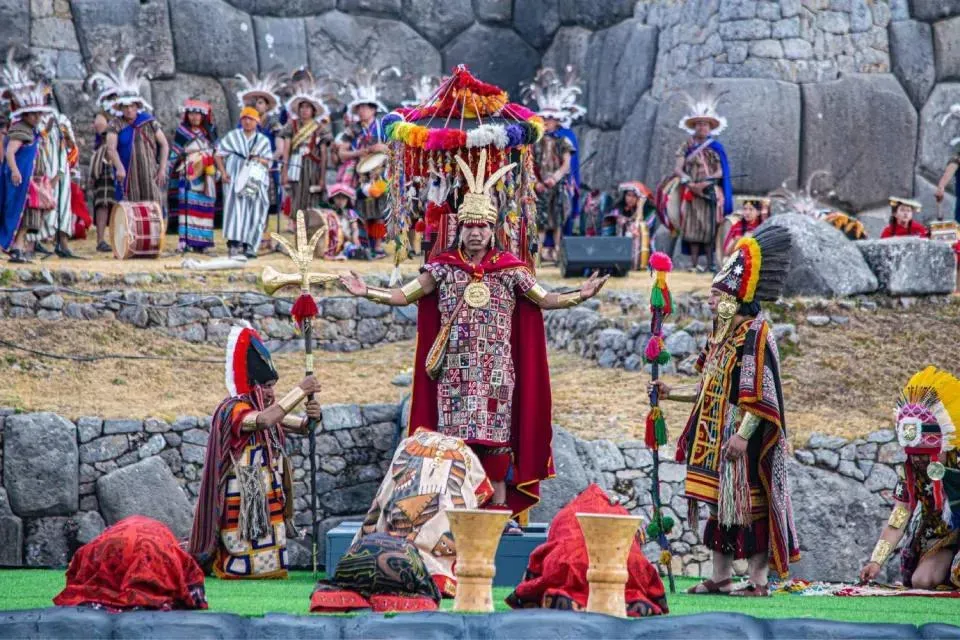
To the Incas, Inti was a central solar deity connected with agricultural cycles, royal authority, and ceremonial life. Solar imagery expressed the importance of light, seasonal change, and the relationship between communities and the environment. These ideas are part of what makes the history of Cusco so compelling to travelers today.
Legends, Mysteries, and Modern Interpretations
From stories of hidden treasures to speculation about cosmic energies, legends surrounding golden discs have endured for generations. They can be fascinating cultural narratives, but claims that the Sun of Echenique was a portal, a device for measuring solstices, or a source of supernatural power are not established archaeological facts.
The real mystery is just as interesting: what did the makers intend its designs to mean, and how did this small ornament acquire such lasting significance for a city associated with the Inca sun?
Why Is the Sun of Echenique a Symbol of Cusco?
Cusco adopted the disc's image as an official city emblem in 1986. The symbol reflects the city's deep connection with pre-Hispanic heritage and appears in the visual identity of Cusco today.
Walking through the historic center, visitors encounter layers of Andean and colonial history. Qorikancha, the Cathedral, traditional neighborhoods, and nearby archaeological sites help tell this broader story. For ideas on discovering them, see our guide to the historic attractions of Cusco.
Where Can You See the Sun of Echenique?
The original artifact was returned to Cusco in 2021. Because exhibition arrangements, museum access, and conservation requirements can change, travelers should confirm its current display location with the relevant cultural institution before making a special visit. The emblem itself is visible in the city even when the original object is not on public display.
For travelers who want to understand the cultural setting behind the disc, visiting Qorikancha and the archaeological sites around Cusco offers valuable context. Our Peru travel packages include itineraries exploring Cusco and other important Andean destinations.
Frequently Asked Questions About the Sun of Echenique
Is the Sun of Echenique an Inca sun disc?
It is often described that way because of its solar imagery and connection with Cusco. However, it is generally attributed to pre-Inca traditions, and it should not be confused with the legendary golden disc associated with Qorikancha.
Is the Sun of Echenique made of pure gold?
No. The archaeological piece is an alloy made of approximately 90% gold, 5% silver, and 5% copper.
How big is the Sun of Echenique?
It measures approximately 13.5 centimeters (5.3 inches) in diameter.
Was the Sun of Echenique lost during the Spanish conquest?
No. That claim confuses the documented Echenique Disc with stories about an Inca solar object associated with Qorikancha. The Echenique Disc was held in a museum collection in the United States and returned to Peru in 2021.
Why is it important to Cusco?
Its design has served as an official emblem of Cusco since 1986, making it an important symbol of the city's connection with its ancient heritage.
What does the golden sun disc symbolize?
Golden and solar imagery can evoke light, power, sacred traditions, and Andean cosmology. The precise meaning of every motif on the Sun of Echenique, however, is not definitively known.
Discover Cusco's Ancient Heritage
The story of the Sun of Echenique shows how a small archaeological object can become a lasting symbol of a city. Its ancient craftsmanship, its journey abroad, and its return to Cusco reveal a history more meaningful than the idea of a treasure still waiting to be found.
At Peru Grand Travel, we invite you to discover that history in context: through the temples, streets, and living traditions of the Andes. Explore our Peru travel itineraries or contact our team to plan a cultural journey through Cusco.