

Looking for food in Puno? Discover the best restaurants, fresh trout from Lake Titicaca, cheap eats, and authentic Andean street food.
Food in Puno tells the story of Peru's high Andes through everyday ingredients: quinoa, potatoes, chuño, local cheeses, and warming soups. On the shores of Lake Titicaca, meals often reflect the region's cool climate and the traditions of families who have lived on the Altiplano for generations.
If you're wondering what to eat in Puno, start with trout, chairo soup, kankacho, and pesq'e de quinoa. This guide explains what makes these dishes special, where to look for them, and how to enjoy regional food while visiting Puno and Lake Titicaca.
What is traditional food in Puno like?
Puno's cuisine is shaped by its high elevation, agricultural traditions, and proximity to Lake Titicaca. Quinoa, cañihua, potatoes, broad beans, lamb, and other Andean products appear in soups, stews, and family meals. Chuño, a naturally freeze-dried potato, is particularly important in dishes prepared across the highlands.
Unlike a restaurant menu built around one national style, food in Puno changes from place to place. A dish in the city may be prepared differently in Juliaca or in a community around the lake. If you want a broader introduction to regional flavors, read our guide to traditional Peruvian food.
7 traditional foods to try in Puno
These are some of the region's best-known preparations. You won't find every dish on every menu, so ask what is available that day. For a shorter list focused only on recipes, see our guide to typical foods of Puno.
1. Trucha frita: fried trout
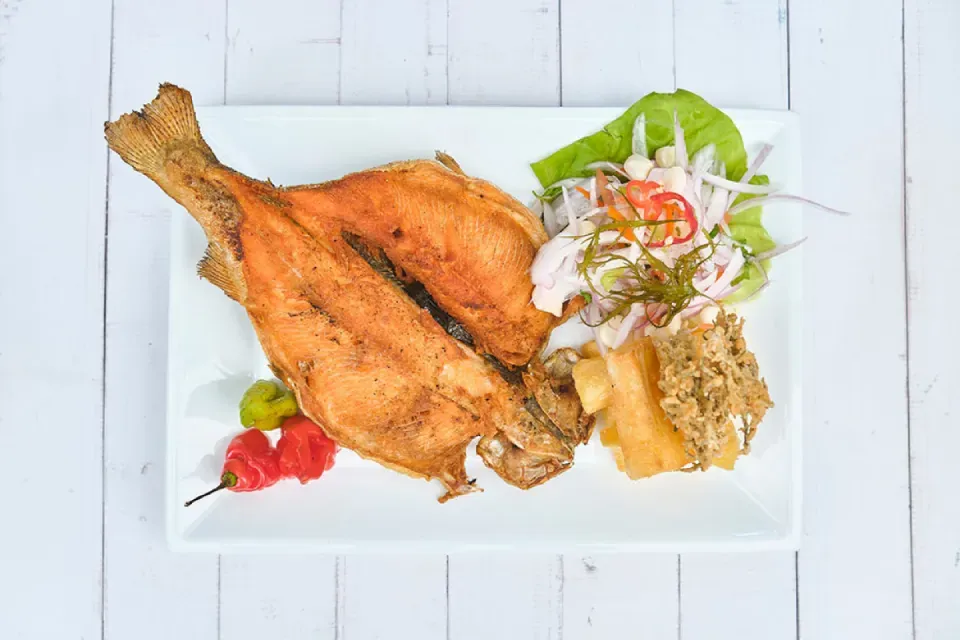
Trucha frita is one of the most recognizable dishes around Lake Titicaca. Trout is commonly fried and served with potatoes, rice, and a fresh salad. You may also find grilled trout or trout prepared in other styles.
Trout is widely served in the lake region, although it is an introduced species rather than a native fish. Choose a restaurant that prepares and serves it thoroughly cooked.
2. Chairo: a traditional Andean soup
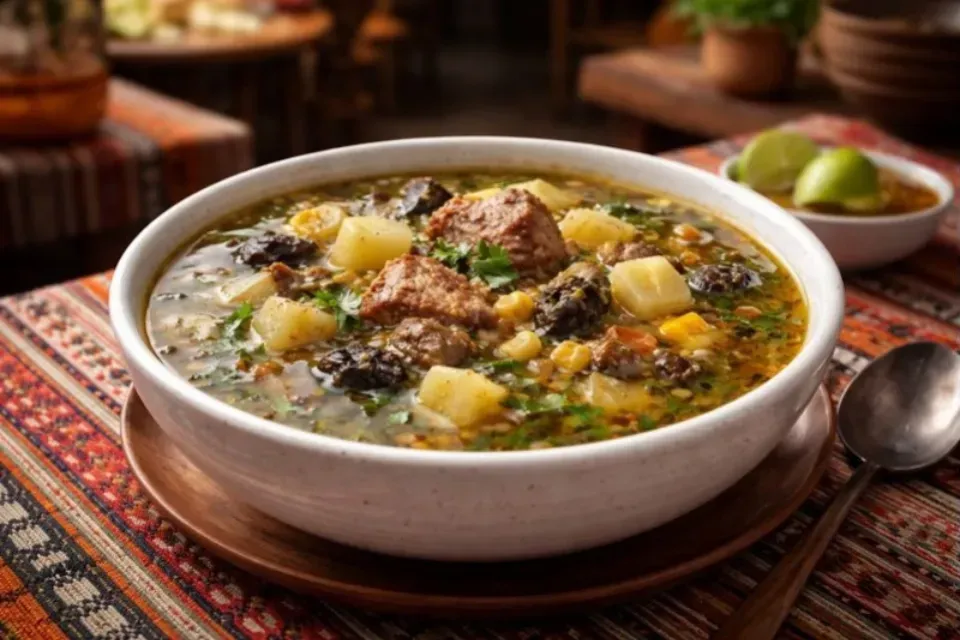
Chairo is a hearty soup often made with meat, potatoes, chuño, vegetables, and grains or legumes. Ingredients vary by household and restaurant, but the result is usually a substantial, warming meal.
It is a good introduction to how Andean cooks use ingredients adapted to the region's climate.
3. Kankacho: roasted lamb
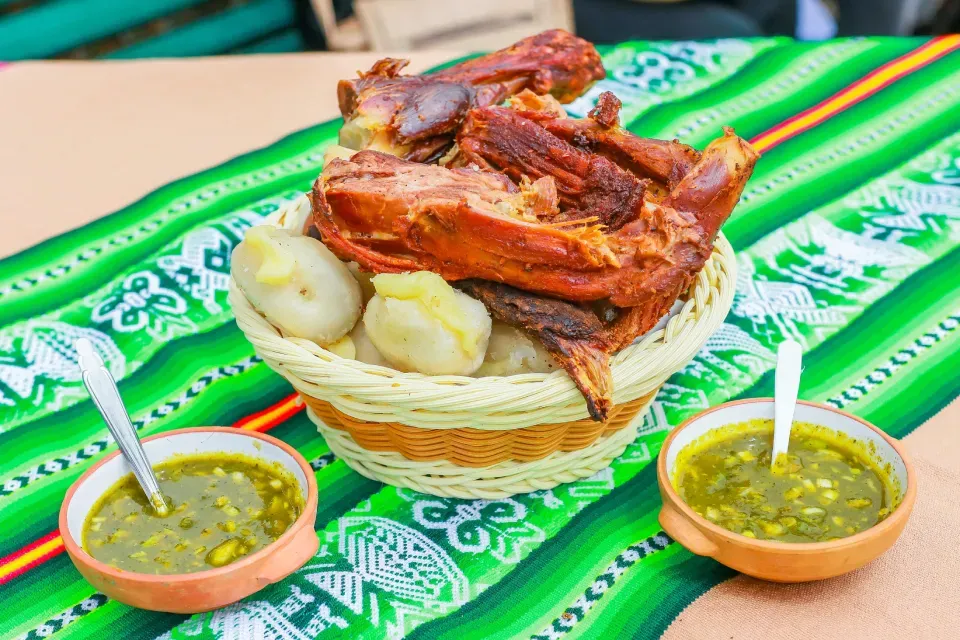
Often associated with the Juliaca and Ayaviri area, kankacho is lamb seasoned and roasted until tender, commonly accompanied by potatoes and other side dishes. You may also see it written as cancacho.
Preparation methods differ among cooks, so there is no single marinade or serving style you should expect everywhere.
4. Pesq'e de quinoa: creamy quinoa
Pesq'e is a soft quinoa preparation that may be served with milk, cheese, or other local ingredients. Its texture is creamy, but it is a traditional Andean dish in its own right, not simply a local version of risotto.
Ask about the ingredients before ordering if you avoid dairy products.
5. Chupe de quinoa: quinoa soup
Quinoa also appears in soups with potatoes, vegetables, and sometimes milk, cheese, or eggs. A bowl of chupe de quinoa can be a satisfying option after a cool morning by the lake.
Recipes vary, so travelers with food allergies or dietary restrictions should confirm how the soup is prepared.
6. Huatia: food cooked with earth and heat
Huatia is a traditional way of cooking potatoes and sometimes other ingredients using heat retained in a temporary earth or clay oven. It is especially connected to rural life and agricultural seasons.
This is not necessarily a restaurant dish available every day. If your itinerary includes a community experience, ask whether a traditional cooking demonstration is part of the confirmed program.
7. Cauche de queso: a warm cheese dish
Cauche de queso is a comforting regional preparation featuring cheese, potatoes, and a seasoned sauce or broth. Local versions vary, and some include milk or other ingredients.
It is worth trying if you enjoy cheese-based dishes and want something beyond the more familiar trout and quinoa recipes.
Traditional food in Puno at a glance
| Dish | Main ingredients | What to expect |
|---|---|---|
| Trucha frita | Trout, potatoes, salad | Crisp fried fish, served hot |
| Chairo | Meat, chuño, potatoes, vegetables | A hearty Andean soup |
| Kankacho | Seasoned roasted lamb | Rich, savory main course |
| Pesq'e | Quinoa, often cheese or milk | Soft and creamy texture |
| Huatia | Potatoes and other local crops | Traditional earth-oven cooking |
Where to eat in Puno
There isn't one single place to try all of Puno's specialties. The best choice depends on whether you want a quick local lunch, a more comfortable sit-down meal, or a community-based experience.
Restaurants near Plaza de Armas and Jirón Lima
Central Puno has restaurants serving Andean dishes alongside familiar Peruvian and international options. This is a practical area to look for dinner after a day of sightseeing. Menus, opening hours, and availability change, so check the current offerings rather than relying on an old restaurant ranking.
Markets and local lunch spots
Food stalls and modest lunch restaurants can be good places to look for soups, daily specials, and traditional flavors. Choose a busy, clean-looking establishment, check that food is served hot, and ask about ingredients if you have dietary restrictions.
Food experiences around Lake Titicaca
On Taquile, Amantaní, and in communities along the lakeshore, meals can be part of a cultural visit. Depending on the host and itinerary, travelers may be served trout, potatoes, quinoa, or other locally prepared foods. These experiences vary, and meals or cooking demonstrations should only be described as included when your booking confirms them.
For context on the destination and nearby communities, see our Puno travel guide and things to do in Puno.
Good to know: If your Lake Titicaca excursion includes lunch with a local family, ask your tour organizer what is provided. Meal arrangements differ by island, community, and tour.
What to drink and snack on in Puno
Warm drinks are especially welcome in Puno's cool evenings. You may come across emoliente, an herbal and grain-based drink, along with hot infusions, coffee, and locally prepared beverages. Street snacks such as anticuchos and picarones are also found in many Peruvian cities, including Puno, though they are not unique to the region.
If you prefer a light snack, ask for a freshly prepared option and use safe drinking water. Traditional beverages should be appreciated as part of local food culture, not treated as remedies for altitude sickness.
Practical tips for eating in Puno
- Take your time on arrival. Puno is about 3,800 meters (12,500 feet) above sea level. Follow appropriate altitude-acclimatization guidance, especially if coming from a lower elevation.
- Choose food carefully. Prefer properly cooked fish and meat, and restaurants that handle ingredients hygienically. No restaurant or lake-caught fish can be described as automatically risk-free.
- Ask about dietary needs. Traditional soups may contain meat stock; quinoa dishes may contain milk or cheese.
- Check menus and payment options. Small eateries may have changing daily menus and may prefer cash in local currency.
- Dress for the weather. Evenings can be cold, especially after time spent near the lake.
Frequently asked questions about food in Puno
What is the most typical food in Puno?
Trucha frita, chairo, kankacho, and quinoa-based dishes are among the region's best-known foods. What you find depends on the town, restaurant, and season.
Is food in Puno spicy?
Many traditional soups and quinoa preparations are mild, although some dishes use chili peppers or come with spicy sauces. Ask before ordering if you prefer little or no heat.
Can vegetarians find food in Puno?
Yes, but confirm ingredients. Quinoa, potatoes, broad beans, and cheese are common, yet soups and sauces may contain meat broth, and many preparations include dairy.
Where can I try trout near Lake Titicaca?
Trout is served in many Puno restaurants and at some lunch stops on lake excursions. Check the menu and whether your specific tour includes a meal.
Is street food safe in Puno?
Food safety varies by vendor and preparation. Prefer freshly cooked, hot food, clean utensils, and safe drinking water rather than assuming every stall meets the same standard.
Do I need to book a food tour to try regional dishes?
No. You can sample regional dishes at restaurants and local lunch spots. A community visit may provide additional cultural context, but cooking activities and meals depend on the itinerary.
Discover Puno through its food and culture
Trying the food in Puno is one way to better understand life in the high Andes. A bowl of chairo, freshly prepared trout, or quinoa served in a family kitchen can connect a journey across Lake Titicaca with the people and traditions of the region.
If Puno is part of your Peru itinerary, explore our Spectacular Peru 10-day tour, which includes Lake Titicaca experiences, or browse our Peru travel packages to compare different routes. Always check the published itinerary for the meals and activities included.