

Discover the 7 most sacred Inca temples of the Inca Empire and their ancestral mysteries. Explore spirituality and architecture.
The Inca temples, true architectural and spiritual marvels, stand as witnesses to one of the most fascinating civilizations in history: the Inca Empire. At its height, this culture not only built impressive structures that have endured through time but also established worship centers reflecting their deep respect for nature and their connection with the gods.
¿What were the seven most significant Inca temples during this period? The answer to this question invites us to explore the rich history of the Tahuantinsuyo and understand the symbolism behind each structure, as well as its importance in the daily life of the Incas.
From the iconic Qorikancha, the Temple of the Sun in Cusco, to the majestic temples of Machu Picchu, each of these sacred places offered the Incas a space to honor their deities and connect with the universe. In this exploration, we will discover how each temple served not only as a religious center but also as a symbol of Inca power and worldview. Delving into the history of these temples is more than just an archaeological exploration; it is a journey through time that reveals the beliefs, traditions, and achievements of a culture that continues to captivate the world.
If you are a history lover, a traveler passionate about culture, or simply wish to learn more about the secrets of the Inca civilization, this guide will lead you on a captivating discovery. Join us as we unveil the mysteries and wonders of the seven Inca temples, a legacy that continues to inspire generations and represents the splendor of a golden era in Peruvian history.
The Importance of Temples in Inca Culture
The Inca civilization is renowned not only for its impressive constructions and advanced agricultural knowledge but also for its profound spirituality and reverence for the elements of nature. The Inca temples, standing as iconic monuments of their culture, played a vital role in their daily lives, beliefs, and connection to the universe.
Sacred Spaces to Honor the Gods
In Inca culture, temples were not merely physical structures; they were sacred spaces where ceremonies and rituals were performed to honor their gods. Each temple was dedicated to a specific deity, such as the sun (Inti), the moon (Mama Quilla), and the earth (Pachamama). These places were believed to be the meeting point between the divine and the earthly realms.
The ceremonies included offerings, dances, and festivals that not only strengthened the Incas’ devotion to their deities but also united the community. These rituals were essential for maintaining balance between humans and the gods, ensuring bountiful harvests and prosperity. The architecture of the temples, with precise alignments to the stars and integration into the landscape, reflects the Incas’ devotion and their desire to live in harmony with the cosmos.
Connection with Nature and the Cosmos
Inca spirituality was deeply tied to nature and the cosmos. The temples were conceived as places of connection, where the Incas could pay homage to the natural forces that governed their lives. Each temple was constructed with local materials, respecting the environment and celebrating the beauty of the Earth. The stones used in their construction were not only aesthetically significant but also imbued with energy that the Incas believed connected the physical and spiritual worlds.
This connection is evident in the way the temples are oriented toward astronomical events, such as solstices and equinoxes, demonstrating a deep understanding of astronomy. For the Incas, the cycle of the seasons and the movement of the stars were crucial to their agriculture and daily lives, prompting them to build temples that also served as astronomical observatories.
If you wish to explore more about the fascinating history of the Inca temples and their significance in Andean culture, we invite you to join our specialized excursions and tours in Cusco and Peru.
The 7 Most Important Temples of the Inca Empire
The Inca Empire, known for its vast expanse and complex social organization, also stood out for its rich spiritual and architectural tradition. Inca temples were the heart of their religious life, each with a unique significance and special connection to the elements of nature and the cosmos. Here, we explore the seven most important temples of this captivating civilization. ¡Keep reading to learn more!
Temple of Qorikancha (Temple of the Sun)
Located in the heart of Cusco, Qorikancha was the most sacred sanctuary of the Inca Empire, dedicated to Inti, the sun god. Originally constructed with perfectly carved stones and adorned with gold, this temple symbolized the Incas’ connection to the sun, which they considered their source of life. After the arrival of the Spanish, part of its structure was destroyed, but its legacy endures as a testament to the grandeur of Inca culture.
Temple of Kiswar Kancha
One of the most famous Inca temples, Kiswar Kancha belonged to the Inca Viracocha, who was the father of Pachacutec. According to accounts from the time, this was an astonishing palace in Cusco. After the Spanish arrival, the building was no longer part of the Inca heritage and was donated to a church. Unfortunately, it no longer exists as it was demolished, and on its site now stands the Cusco Cathedral. No Inca remains survive, but at least an imposing Baroque monument remains, showcasing this remarkable church.
Temple of Amaru Kancha
Amaru Kancha was a palace that belonged to another significant Inca, Huayna Cápac. Later, this temple was given to Hernando Pizarro after the Spanish arrival. Eventually, he donated the building to the Jesuit order, which built the Church of the Society of Jesus. Today, part of the original walls of Amaru Kancha can still be seen on Loreto Street. It remains one of the oldest and most important Inca temples.
Sacsayhuamán Temple
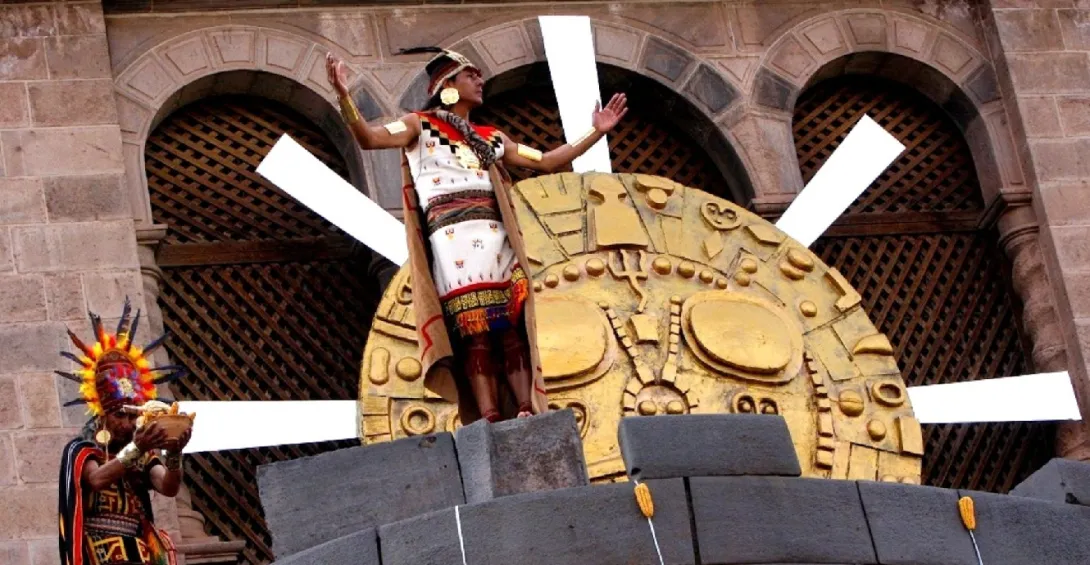
The impressive fortress of Sacsayhuamán, located just outside Cusco, was not only a military stronghold but also a significant ceremonial center. This temple was built during the reign of Inca Pachacútec, featuring enormous stones that fit perfectly together, showcasing the architectural mastery of the Incas. Rituals were performed here during Inti Raymi, the festival of the sun, which celebrated the beginning of the new agricultural year.
Temple of Wiracocha in Raqchi
Located in the southern valley of Cusco – Raqchi, this temple was dedicated to Wiracocha, the creator of all things, according to Inca mythology. Its construction is notable for its large walls and the famous “house of the god.” This sacred site was also a center of cultural and religious exchange, blending Andean traditions with the influences of neighboring civilizations.
Temple of the Moon in Machu Picchu
The Temple of the Moon is one of the most mysterious sites in Machu Picchu. Situated in the upper part of the citadel, this temple is associated with ceremonies dedicated to the moon goddess (Mama Quilla). Its structure includes a sacred cave believed to have been used for rituals and fertility ceremonies, reflecting the moon’s importance in Inca agriculture and daily life.
Temple of the Three Windows in Machu Picchu
Also located in Machu Picchu, this temple is famous for its three large windows that offer a breathtaking view of the Andean landscape. It is believed to have been a place of worship and astronomical observation, where priests conducted important ceremonies and rituals. The alignment of its windows with astronomical events highlights the Incas’ deep connection with the cosmos.
¡Discover the history and spirituality of these impressive Inca temples! If you want to explore each of these mystical and beautiful places, don’t hesitate to contact us today. Our agency, Peru Grand Travel, offers personalized packages that will take you to the most important temples of the Inca Empire, where every stone tells a story.
Curiosities about Inca Temples
The Inca temples, iconic structures that stand in the heart of the ancient Inca Empire, are silent witnesses of a civilization rich in culture and spirituality. These sacred spaces were not only places of worship but also centers of knowledge and wisdom. Here, we explore some fascinating curiosities about these temples that have captured the imagination of travelers and scholars for generations.
Myths and Legends Surrounding These Sacred Sites
Inca temples are surrounded by myths and legends that enrich their meaning and allure. One of the most well-known stories is that the gods themselves created these temples. It is said that the sun god, Inti, descended from the sky and chose specific locations in the Andean mountains to build sanctuaries in honor of the deities. Temples like the famous Qorikancha are considered gateways to the spiritual world. The Incas believed that every stone, every corner, was imbued with the gods’ energy, making them sacred places for the community.
Additionally, there are stories of hidden treasures and spirits guarding these sites. Many adventurers have attempted to uncover the secrets these temples hold, adding an air of mystery that draws the curious.
The Connection of the Temples to Astronomical Phenomena
Astronomy was a vital science for the Incas, reflected in the construction of their temples. Many of these sanctuaries are aligned with astronomical phenomena such as solstices and equinoxes. For example, the Temple of Qorikancha was oriented so that during the winter solstice, the first ray of sunlight would illuminate its altar, symbolizing the return of light and the rebirth of the agricultural cycle.
This relationship with the stars served not only ritual purposes but also guided the daily life of the Incas, who used this knowledge for planting and harvesting. The combination of architecture with sky observation demonstrates the Incas’ profound respect for nature and understanding of life cycles.
Construction Techniques That Defy Modern Knowledge
One of the marvels of Inca temples is their incredible engineering. The Incas used construction techniques that defied the knowledge of their time, some of which still amaze modern architects. Inca masonry is famous for its precision: stones were carved and fitted together so perfectly that no mortar was needed. This technique provided stability and enabled structures to withstand earthquakes, a feat that many contemporary buildings cannot achieve.
Temples like Sacsayhuamán are a testament to the ingenuity of this civilization. The massive stones that make up these structures were quarried nearby and transported over great distances, showing advanced knowledge of logistics and teamwork.
The seven Inca temples, including magnificent structures like the Temple of the Sun (Qorikancha), Sacsayhuamán, the Temple of the Moon, and the Temple of Wiracocha, are not just historical monuments; they are carriers of the rich culture, spirituality, and architectural advancements of one of the most fascinating civilizations in history. Each temple tells a story connected to religion, astronomy, and a deep respect for nature, elements that defined Inca life and still inspire us today.
When visiting these Inca temples, you embark on a journey not only through time but also through a universe of meanings and teachings that have endured for centuries. From the astronomical alignment of their structures to the myths surrounding each sacred site, walking through these temples is a unique and transformative experience. Imagine feeling the energy of the ancient gods as you explore these awe-inspiring places, all built with craftsmanship that challenges contemporary capabilities.
Don’t miss the opportunity to uncover the secrets of Inca temples. We invite you to book your tour package. With expert guides who will walk you through each temple, you’ll gain a deep and meaningful understanding of their historical and cultural significance.